
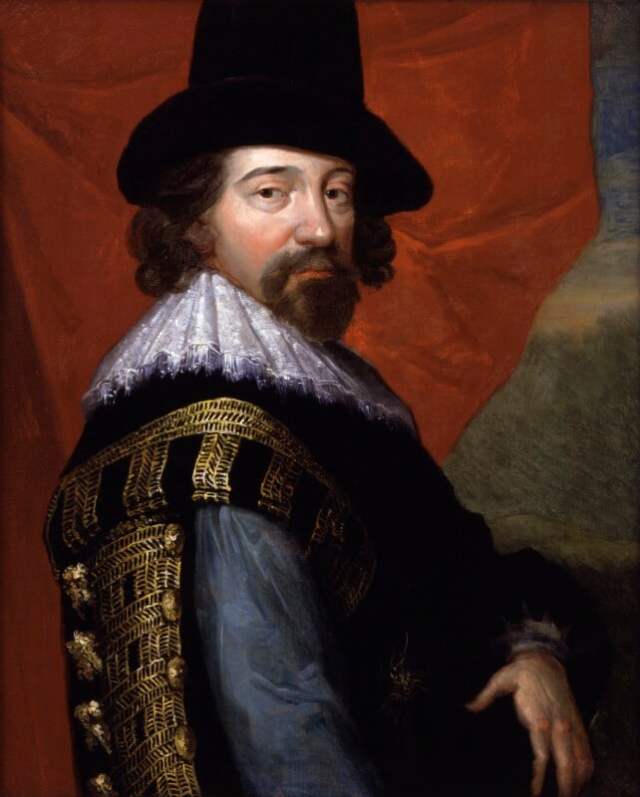
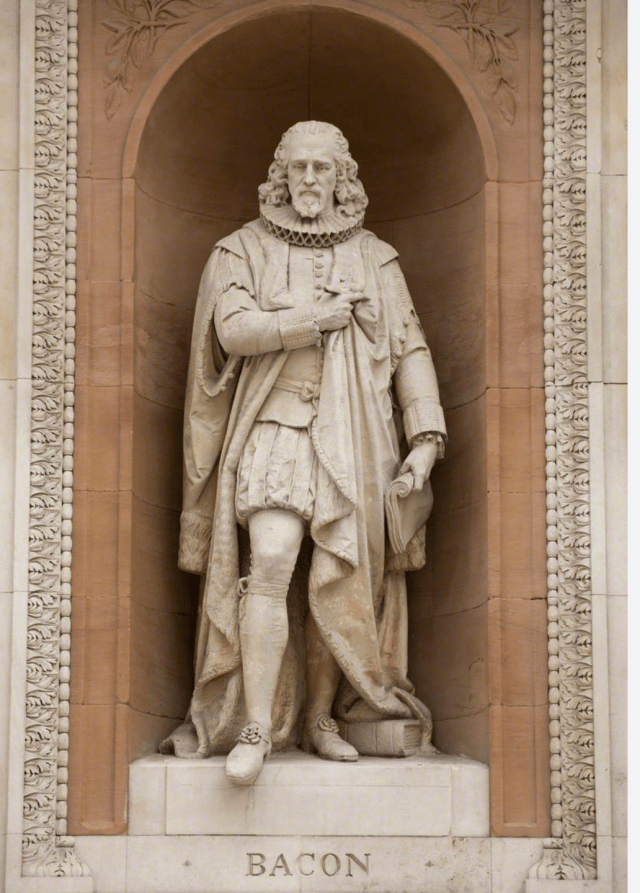
Francis Bacon, 1st Viscount St Alban
by John Vanderbank, c1731, based on an earlier painting c1618 © National Portrait Gallery, London
April 9th marked the 400th anniversary of the death in 1626, of the philosopher, statesman and gardener Sir Francis Bacon.
The opening lines of his essay “Of Gardens” must surely be amongst the most famous words about gardens in history: “God Almighty first planted a garden. And indeed it is the purest of human pleasures.”
It continues: “It is the greatest refreshment to the spirits of man; without which buildings and palaces are but gross handiworks: and a man shall ever see that when ages grow to civility and elegancy, men come to build stately sooner than to garden finely: as if gardening were the greater perfection.”
But Bacon was not just a theoretician with a nice turn of phrase. He was a garden designer and made three significant gardens: Gray Inn, Twickenham and Gorhambury. He also understood the potential power of gardens writing about them theoretically and even in dramatic form. I once heard the late Lisa Jardine talking about this and arguing that Bacon was acutely aware of the way that expertise in horticulture, garden design, and even planting and pruning could be used to worldly effect and how throughout his life he deployed his gardening skills to gain favour with those in power.
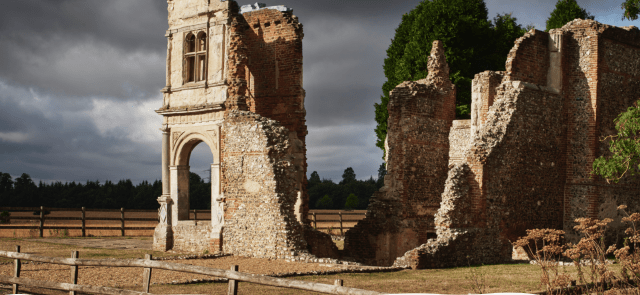
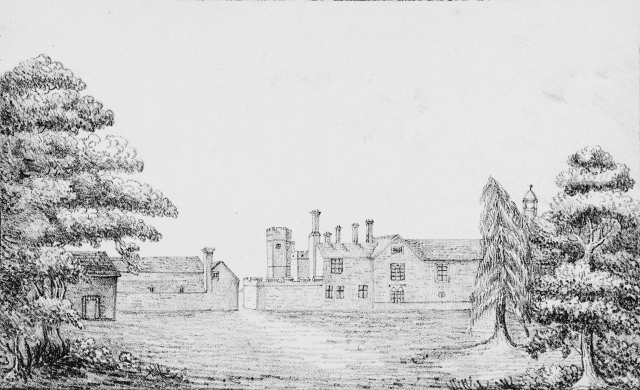
Old Gorhambury, the ruins of Bacon’s family home. For more on the house and its history see the English Heritage webpage on the site
Born in 1561 Francis Bacon died in 1626 after a very chequered career, both politically and personally, during which he rose to be Lord Chancellor. He is now best remembered as the thinker whose ideas changed the course of scientific methodology, by showing that knowledge of the world should be based on observation and reasoning rather than relying largely on what could be found in the texts of classical authors. As a result he’s often associated with the phrase Knowledge is Power “scientia potentia est” although what he actually wrote was “ipsa scientia potestas est” (‘knowledge itself is power’) and it was his one-time secretary, the philosopher Thomas Hobbes, who first used the shorter more memorable phrase in Leviathan.
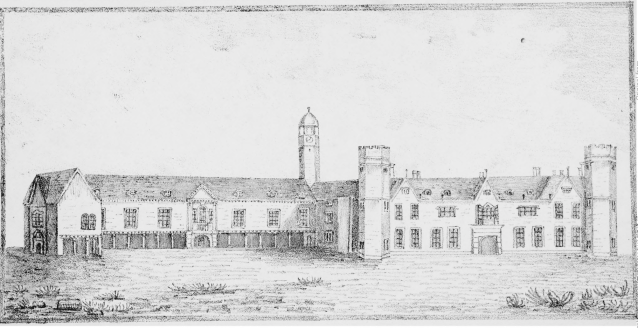
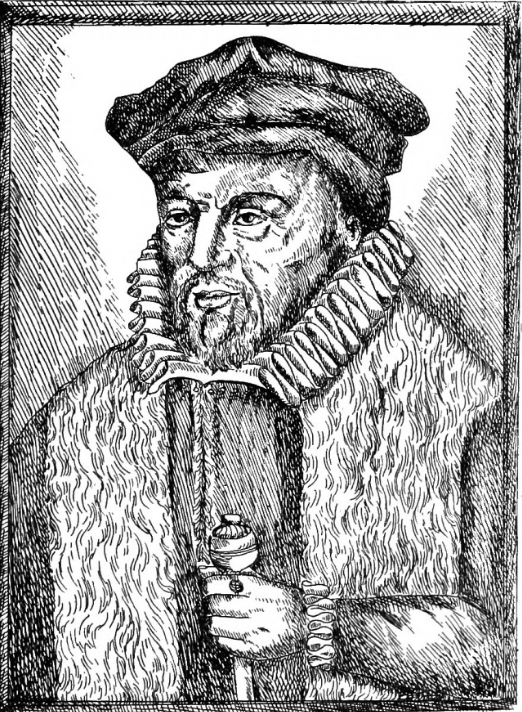
Bacon was the son of Sir Nicholas Bacon, who had risen from extremely humble beginnings to marry into the elite and be made Lord Keeper of the Great Seal. In the 1560s Sir Nicholas built a new house at Gorhambury just outside St Albans which Queen Elizabeth visited twice in the 1570s. Famously she is said to have teased Sir Nicholas who was corpulent (to put it politely) that “his soul lodged well”. She also is said to have claimed on seeing Gorhambury for the first time “My lord, what a little house you have gotten” to which he replied with all the art of a long standing courtier “madam, my house is well but you have made me too great for it.” Of course he then extended the house before her next visit, but after that he “caused the door by which she had entered to be nailed up, so that nobody might again pass over the same threshold.”
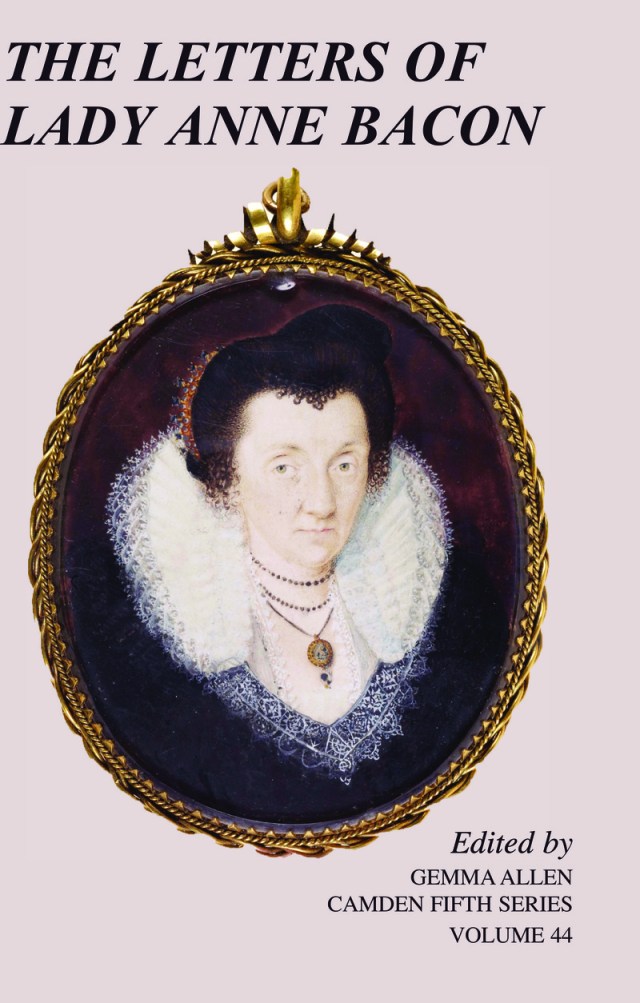
Sir Nicholas’s second wife, and Francis’s mother, was Anne Cooke, the extremely well-educated daughter of Sir Anthony Cooke, tutor to Edward VI. One of her sisters, Mildred, was married to Lord Burghley, so Francis was born well-connected.
He went to Trinity College Cambridge at the ripe old age of 12 where he was tutored by the future Archbishop of Canterbury, John Whitgift, and it was there that, studying the standard classical texts he “first fell into the dislike of the philosophy of Aristotle” a rather precocious opinion for a 12-year-old but one which was to have major consequences later in his life.
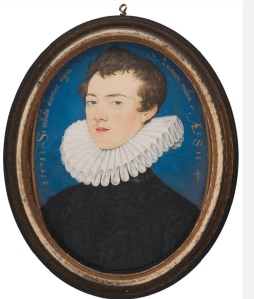
At 15 he was sent off to Grays Inn to study law, but it was not very long before his father sent him on the equivalent of a work experience mission with Sir Amyas Paulet, the English ambassador to France.
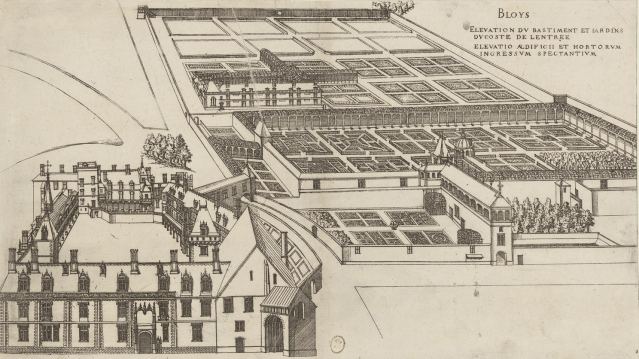
The French court at this time was peripatetic, and apart from Paris, was largely based in Blois in the Loire Valley. This gave the young Francis opportunities to travel and see some of the most spectacular gardens in the country.
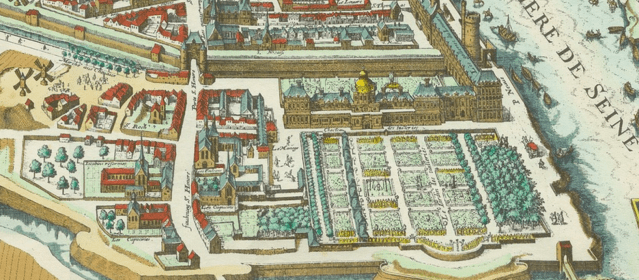
It was a time of innovation in gardens so, for example, he would have seen both the first deliberately planted avenues near Blois which dating from the late 1560s,(probably developed from the allees in hunting parks), and the new tree-lined walks at the Tuileries gardens and elsewhere round Paris designed by Philibert de l’Orme around 1570. He` would adopt these ideas himself later. Many of these sites were recorded in great detail by Jacques Andre de Cerceau in his beautifully illustrated and encyclopaedic book Les Plus Belle Bastiments de France which was published around the time Bacon arrived in France.
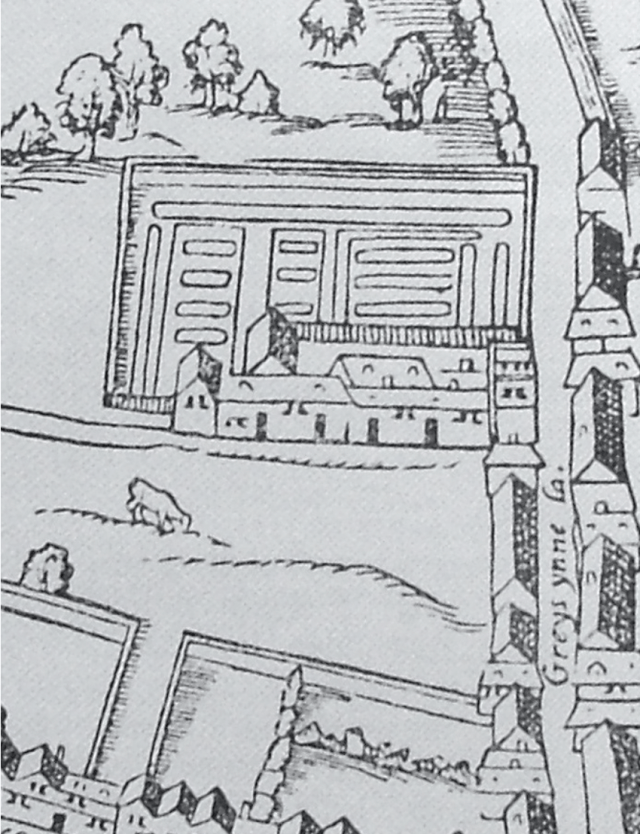
Grays Inn from the so-called Agas map c.mid1550s
In 1579 Sir Nicholas died and Francis, then just 18 returned to England, although as a younger son he had inherited no title, money or land. Instead he entered Parliament in 1581 and began his legal career becoming a bencher at Grays Inn in 1586. He took an active role in running the Inn, and from 1591 was actively involved as part of a committee in creating new walks and gardens.
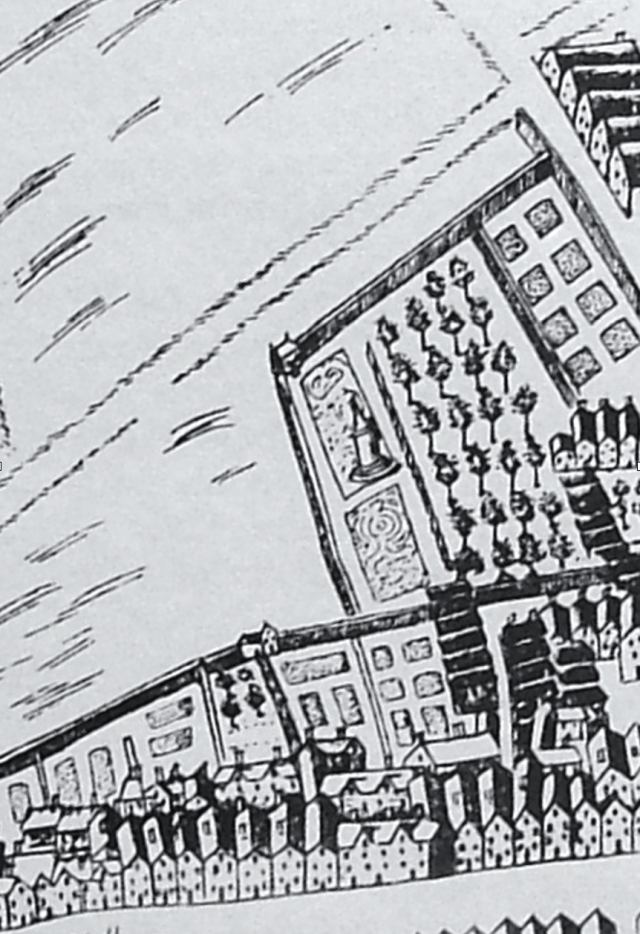
Grays In from Faithorne and Newcourt’s “An Exact Delineation of London”,surveyed in the 1640s and published 1658.
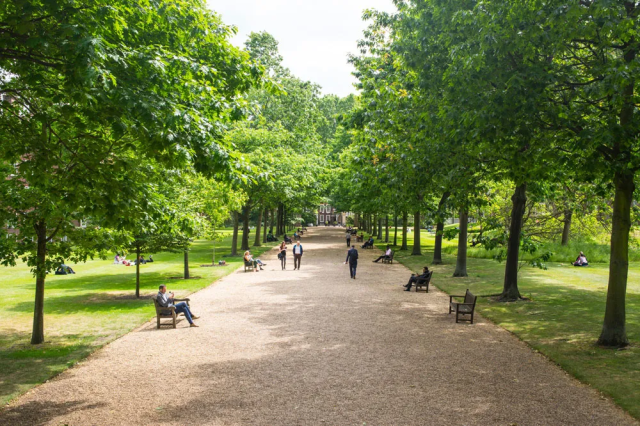
The area behind the Inn was enclosed by a brick wall in the 1590s, with more work carried out over the next few years under the direction of Bacon. The planting included cherry, birch, groves of elms, oziers for an arbour, eglantine, privet and quickset for hedges (for the edge of the Walks and probably for mazes), standard roses, woodbine, vines, pinks, violets, and primroses.
By 1600 Bacon was the only person named in the accounts with responsibility for the gardens, and seems to have paid upfront with his own money for planting and other works, reclaiming it later. It’s therefore more than likely that he masterminded the whole project as shown in Faithorne and Newcourt’s map of the city, surveyed in the 1640s. This included a mount with a pavilion on top built around 1608-9, with labyrinths or mazes to its north and south. At the same time more roses and trees -sycamore, birch, beech and elm – were planted. Between 1609 and 1612 a bowling green was added outside the north wall, with a kitchen garden also laid out in the north-east of the site
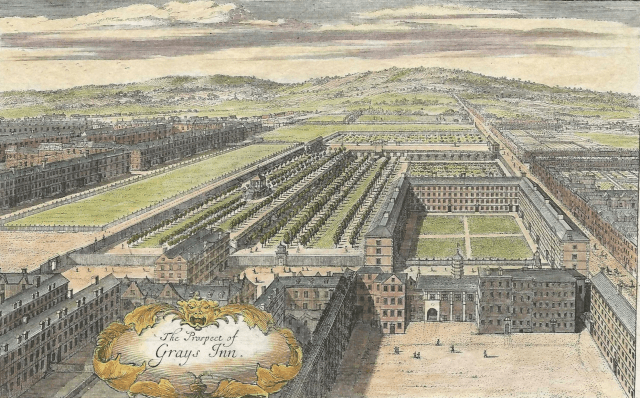
There’s much more on Bacon’s work at Grays Inn in “James Dalton and Francis Bacon: Two garden makers of the Inns of Court” by Deborah Spring in The London Gardener, Vol.14, 2008-9; and also on David Jacques’ article ‘The Chief Ornament’ of Grays Inn: The Walks from Bacon to Brown, in Garden History, Spring, 1989, Vol. 17, No. 1 (Spring, 1989), pp. 41-67 which is available free via JSTOR although you do have to register for an account. A short later history of The Walks can be found on the Grays Inn website.
Aside from his role in the legal profession a man in Bacon’s position was, of course, expected to play his part in society and in court life. This required having at least one home and preferably more, so in 1595 he bought the lease of a house/hunting lodge at Twickenham from his elder half-brother Anthony. It was not that far from Elizabeth’s favourite palace at Richmond, so he could pay regular court if necessary, and it gave him the opportunity to make his own personal garden space.
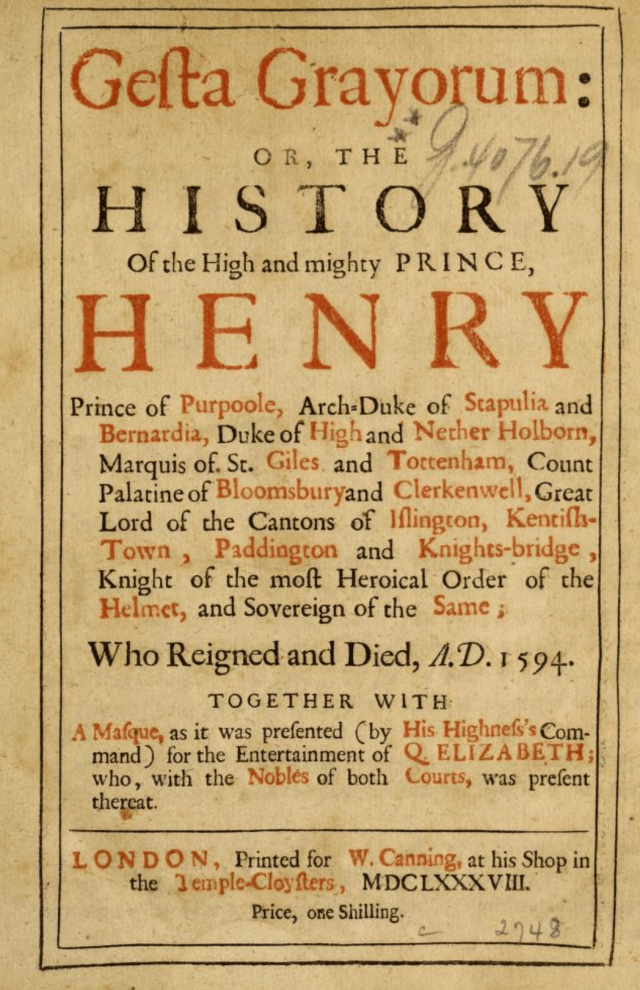 We already have some idea of what Bacon thought was important in a garden as well as the beginnings of his interest in science, because in 1594 he had written parts of a play – Gesta Grayorum -put on as part of the Christmas festivities at Grays Inn. This included a debate between various “counsellors” about the sort of life one should lead – active or contemplative. One of them recommended “the conquest of the works of nature” by creating a “most perfect and general library…and next a spacious, wonderful garden wherein whatsoever Plants the Sun of divers Climates out of the Earth of divers Moulds, either wild or by the Culture of Man, brought forth may be… set and cherished… This Garden to be built about with Rooms to stable in all rare Beasts and to cage in all rare Birds; with two Lakes adjoining the one of fresh Water and the other of salty for like variety of Fishes : And so you may have in a small Compass a Model of Universal Nature made private.” Furthermore there should be “a goodly cabinet… and the still house, so furnished with Mills, instruments, furnaces and vessels as may be a palace fit for a philosopher’s Stone.”
Despite his best efforts his career in court politics did not take off, so perhaps Twickenham was an attempt to live the contemplative life. He had certainly considered a quieter more philosophical life earlier in the 1580s, writing to his uncle-by-marriage Lord Burghley : “I confess that I have has vast contemplative ends, as I have moderate civil ends: for I have taken all knowledge to be my province (nothing less and ambitious”)… I hope I should bring in industrious observations, grounded conclusions, and profitable inventions and discoveries: the best state of that province.”
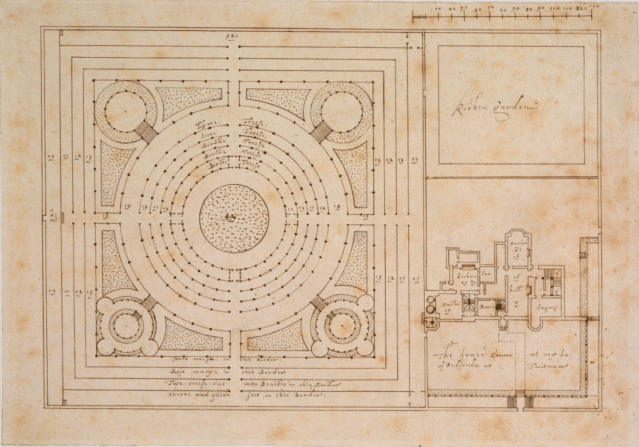
The Twickenham garden obviously went well and Bacon is known to have entertained the queen there in 1599 although he still signally failed to gain any major court appointment from her. A letter from his step-brother Anthony in 1597 mentioned “that wholesome pleasant lodge and finely designed garden.” In fact the garden is the most complex one of a series recorded at this time by architect Robert Smythson. The house was small and irregular with a kitchen garden behind it but to one side was a huge and highly unusual garden. 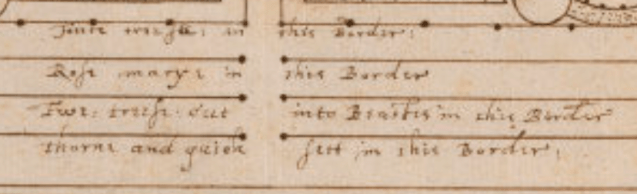
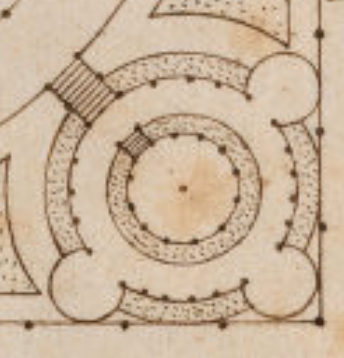 It was 321 feet square, inside which were four rows of hedged beds planted with “yew trees cut into beasts”, hawthorns and rosemary amongst other things. Further in were a series of wide concentric circular beds planted with forest trees – limes and birches, around a mount with four more circular mounts in the outer corners. Two of these smaller mounts appear to have been flat topped, while the other pair had a more complicated design with steps up to two levels and three small projecting bastions.
Overall if one tries to visualise the Twickenham garden three-dimensionally the impression is surely that it was densely planted – and would have been dark and “overgrown” quite quickly, nor incidentally was there any sign of flowers.
There’s no doubt that mounts remained an important feature that he wanted to include in gardens: ‘At the End of both the Side Grounds, I would have a Mount of some Pretty Height…to looke abroad into the Fields.’ However, after Twickenham Bacon certainly changed his mind on the detailing to be used writing later in “Of Gardens” that ‘in the very middle of his ideal garden would be “a fair mount, with three ascents, and alleys, enough for four to walk abreast; which I would have to be perfect circles…and the whole mount to be thirty foot high.”
For more on Mounts and their importance in Elizabethan Jacobean gardens see these earlier posts. Mounts and Mounds 1: reusing the past and Mounds & Mounts 2: the heights of fashion
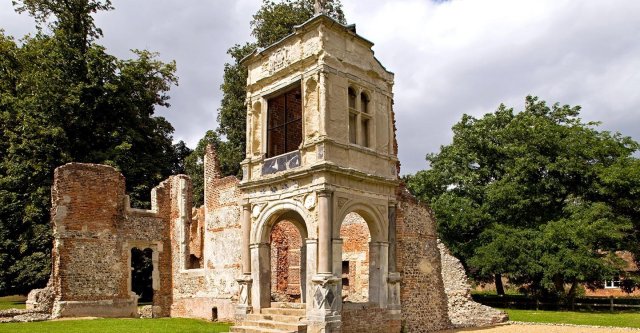
Unfortunately Bacon wasn’t at Twickenham for very long partly because he inherited Gorhambury after the death of his half-brother Anthony in 1601. However, because he hadn’t by that stage made a great deal of political progress, he had no money to do anything to the house or garden there. The death of Elizabeth and the accession of James I in 1603 bought some hope of advancement. He was knighted later that year – along with another 299 aspiring gentlemen – so it wasn’t exactly makers of special favour but it was a first step.
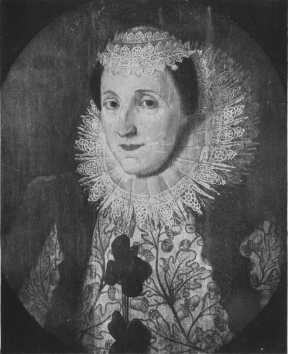
Next he did what all impoverished aristocrats did and looked round for a wealthy heiress. He found her in Alice Barnham, whose father a wealthy city alderman had died just a few years earlier. The fact she was only 11 and he was 42 was neither here nor there. They finally married in 1606 when she was 14 and he was 45 but it was clearly not a happy marriage. There were no children and he cut her out of his will “for just and great cause”, probably her adultery with John Underhill, one of his staff. Since within two weeks of Bacon dying she married Underhill that seems likely! I suspect too that one can probably assume that she didn’t take a great deal of interest in Bacon’s building schemes or gardens, although she did continue to live at Gorhambury. Nevertheless Alice bought money to start improving the estate and creating his next garden.
For more on Alice see Alice Chambers Bunten The Life of Alice Barnham 1592-1650, 1928. I’m not sure how reliable it is because it even has a portrait of another Alice Barnham on the cover.
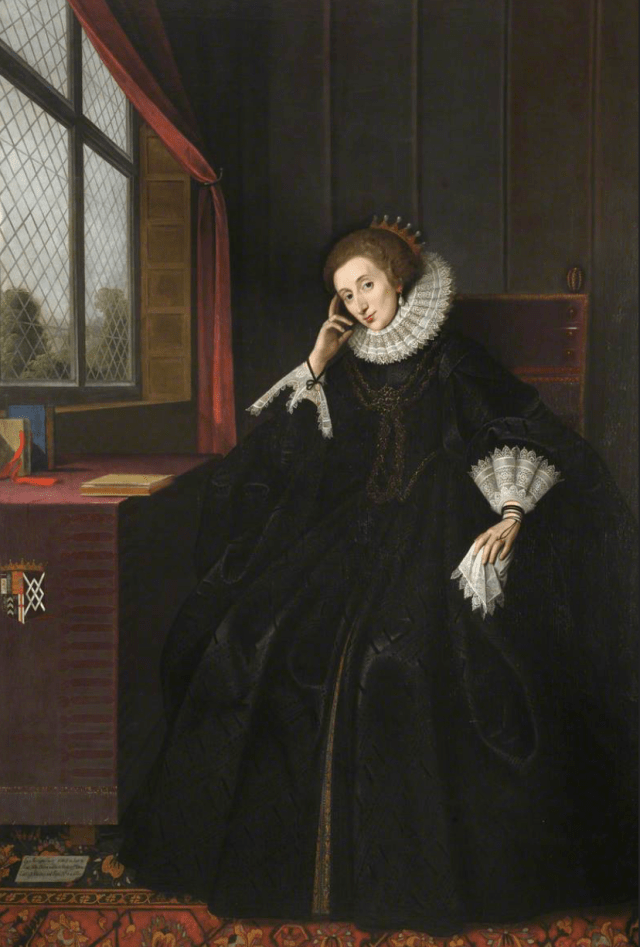
Despite all the effort and money that had gone into to creating the gardens at Twickenham it wasn’t long after his marriage that he sold the lease. The Smythson survey seen above was commissioned for the new owner, Lucy Harrington, Countess of Bedford. The plan almost certainly shows the garden that Bacon designed rather than having any connection to Harrington if only because it’s very unlikely such an elaborate garden could have been designed and completed in such a short space of time.
As is often the way, having sold Twickenham he soon regretted it. A later letter to his Steward suggested that “Twickenham Park, which I sold in my younger days, be purchased if possible, for a residence for such deserving persons to study in, since I experimentally found the situation of that place much convenient for the trial of my philosophical conclusions, expressed in a paper sealed to the trust which I have myself had put into practice,… If the vicissitudes of fortune had not intervened and prevented me.”
But with the accession of James I his fortunes were soon on the turn, as we’ll see next week
 There is a huge amount written about Bacon and his gardens. Apart from the various articles listed above probably the best places to start for more information are Paula Henderson’s


 The Garden History Blog
You must be logged in to post a comment.