
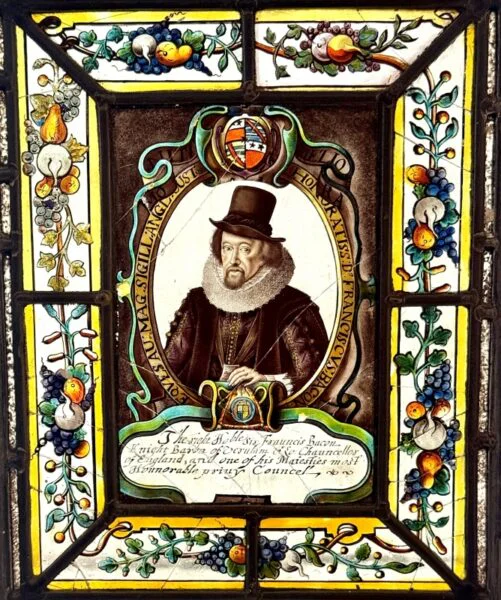
Last week’s post looked at the gardens created by Sir Francis Bacon before he managed to climb the greasy pole of political advancement. This week I’m going to look at the gardens, theoretical and real, that he designed once he’d reached the top.
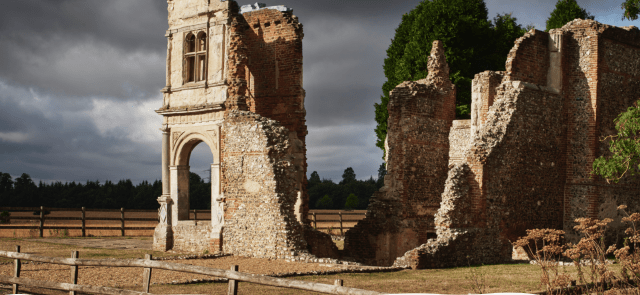
These include the imaginary garden setting he planned for a magnificent court masque, and the water gardens he created at his Gorhambury estate near St Albans.
Of course greasy poles are notoriously slippery and it was not long before his rapid fall and dramatic disgrace sent him back to Gorhambury where he spent the last five years of his life writing, including what have been described as the “greatest philosophical works of the English Renaissance.“, and of course his famous Essay “On Gardens”.


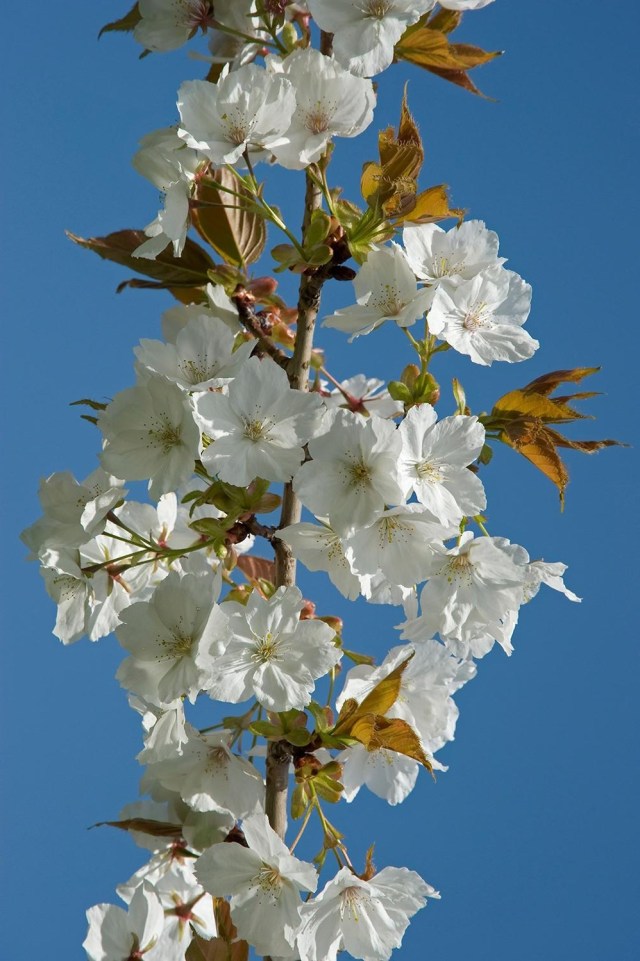 “Loveliest of Trees, the Cherry now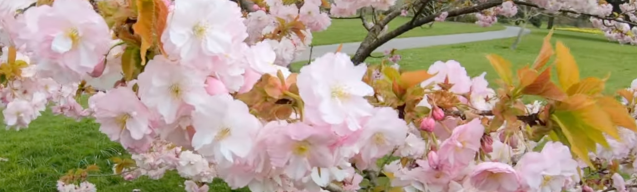
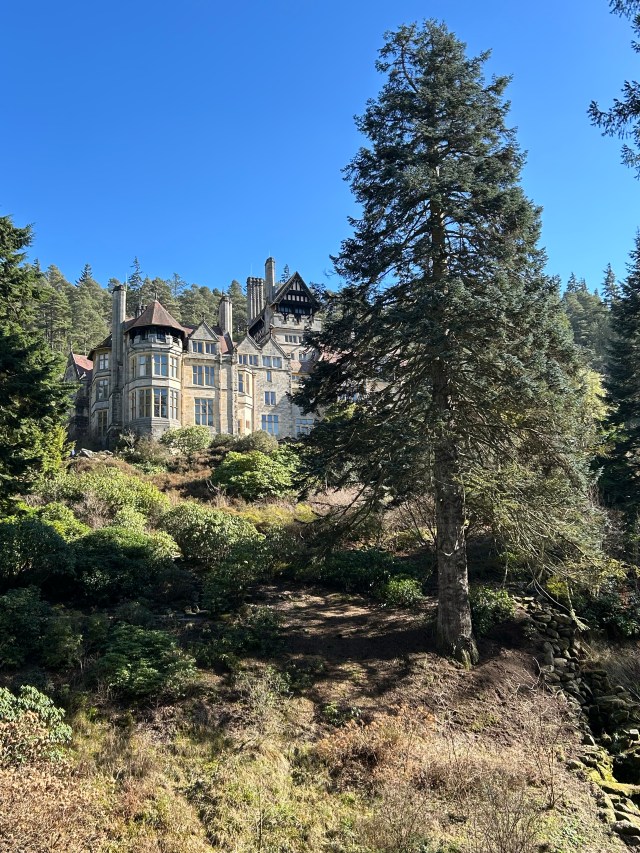 I’ve just been to Cragside in Northumberland and my first reaction was that its creators, William and Margaret Armstrong, must have had very powerful leg muscles!
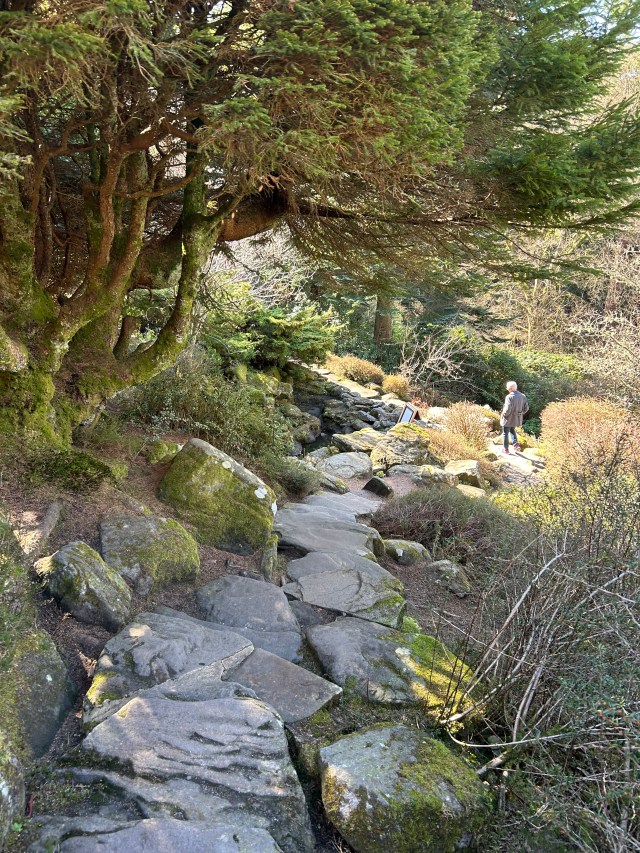 The Armstrongs planted an estimated 7 million trees and shrubs as well as creating over 3 acres of formal gardens and a range of greenhouses and conservatories for plants you wouldn’t expect to survive, let alone thrive, in Northumberland.
 Read on to find out why…
 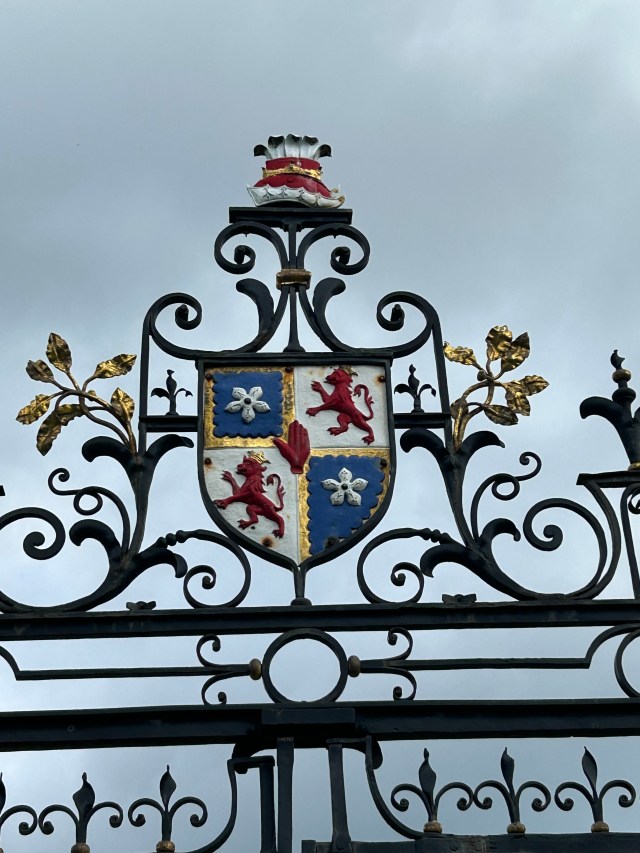 It’s over ten years since I first visited Seaton Delaval Hall just north of Newcastle. I wrote a post about it shortly afterwards saying I’d been mesmerised by Vanbrugh’s final masterpiece. I returned last week and came away even more impressed.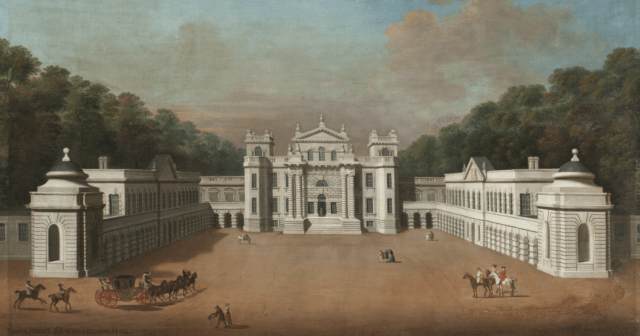


 The Garden History Blog
You must be logged in to post a comment.