
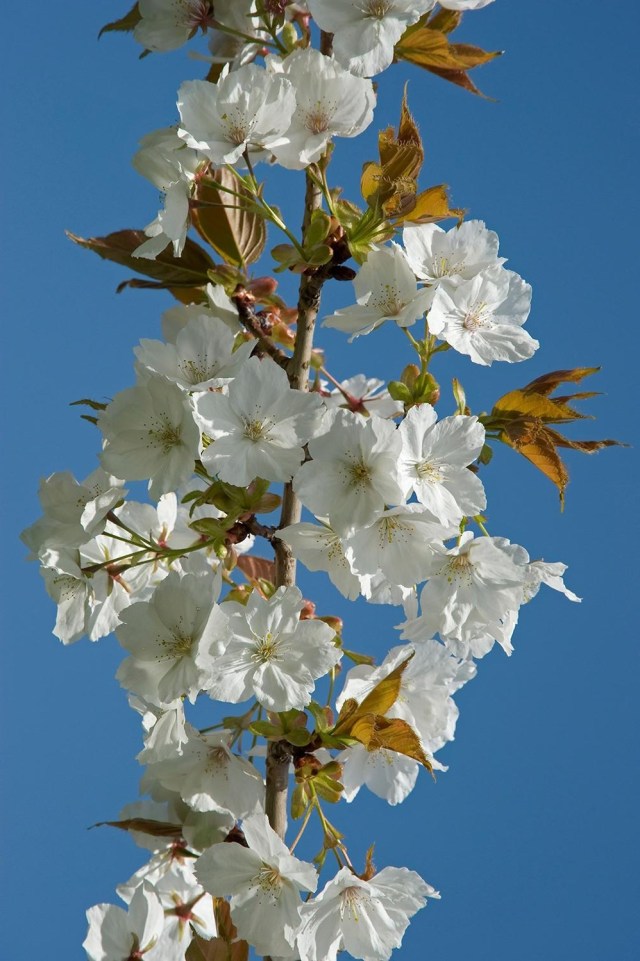
 “Loveliest of Trees, the Cherry now
Is hung with bloom along the bough,
And stands about the woodland ride
Wearing white for Eastertide...”
Housman’s haunting poem, part of his Shropshire Lad collection written in 1896, is one of the nation’s favourites.
It has been set to music at least 60 times, most famously by Vaughan Williams. [If you don’t know it click here to hear it recited by Judy Dench or to hear it sung in a performance by Bryn Terfel] I was reminded of both the poem and the song on a recent visit to Kew on a lovely sunny day when the cherries were just coming into bloom and standing out against a bright blue sky.
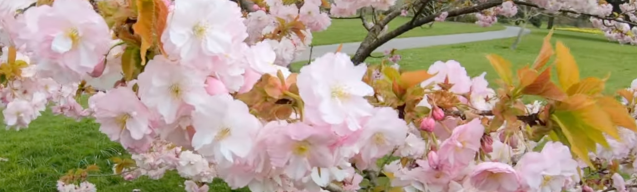
Of course Housman was thinking of our native “wild” cherry [ Prunus avium] but these days we are fortunate enough also to have hundreds of varieties of ornamental ones, almost all from Japan, China and Korea as well, and I wondered about their history – especially since those countries were largely closed to westerners until the middle of the 19th century – and discovered that we owe a huge debt of gratitude to just one man who introduced many varieties to Britain and in the process saved them in Japan as well.
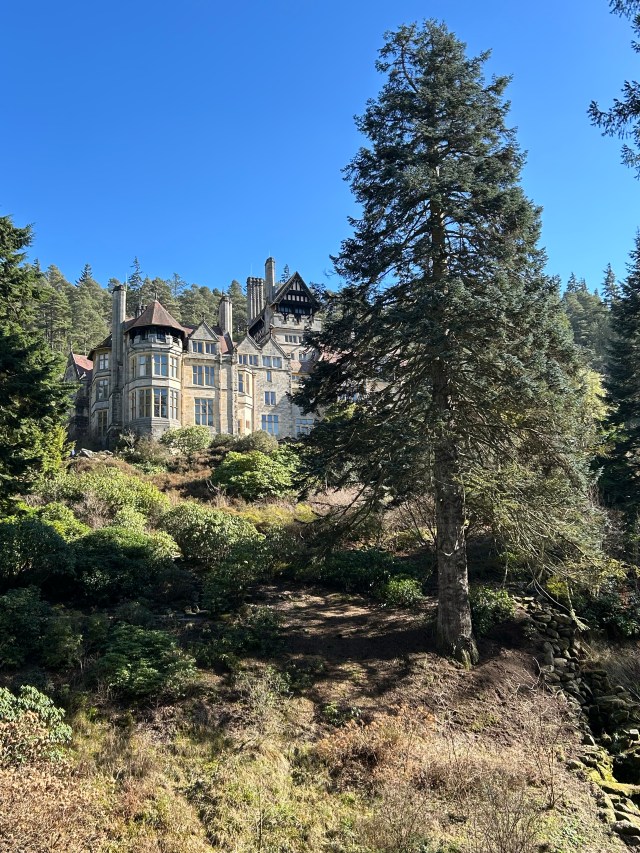 I’ve just been to Cragside in Northumberland and my first reaction was that its creators, William and Margaret Armstrong, must have had very powerful leg muscles!
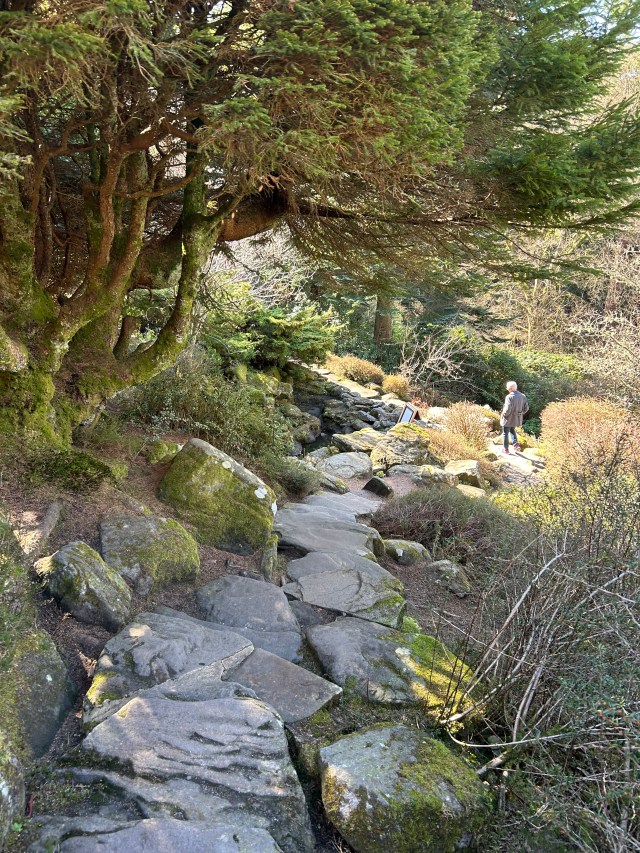 The Armstrongs planted an estimated 7 million trees and shrubs as well as creating over 3 acres of formal gardens and a range of greenhouses and conservatories for plants you wouldn’t expect to survive, let alone thrive, in Northumberland.
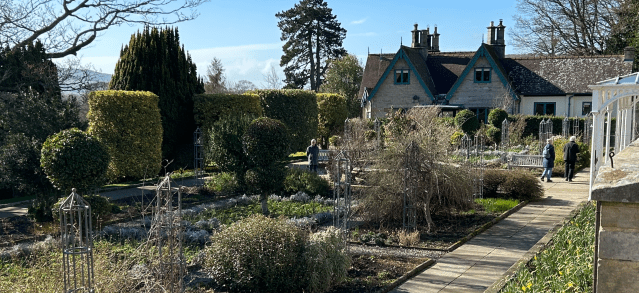 Read on to find out why…
  It’s over ten years since I first visited Seaton Delaval Hall just north of Newcastle. I wrote a post about it shortly afterwards saying I’d been mesmerised by Vanbrugh’s final masterpiece. I returned last week and came away even more impressed.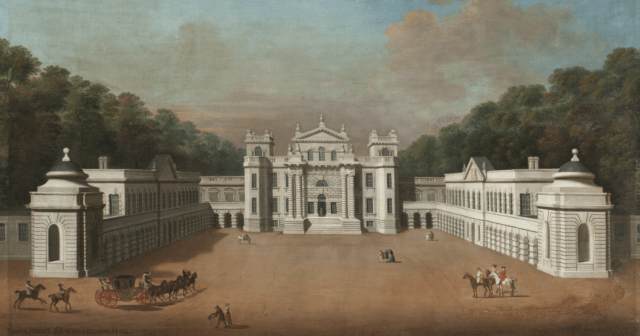

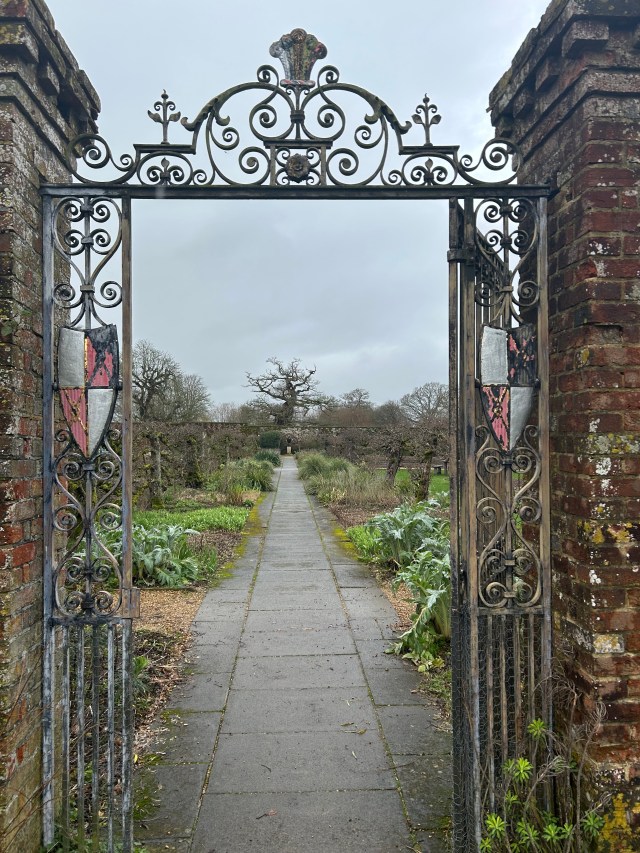 The National Trust holds many of our greatest historic houses and gardens but I often think its greatest holding is not those but the many less well-known, less grand and yet more typical small country houses and estates.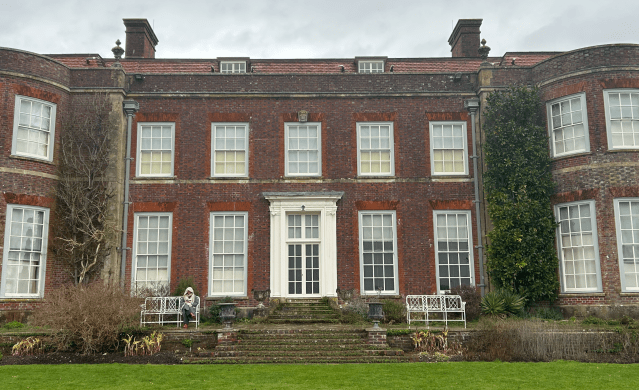


 The Garden History Blog
You must be logged in to post a comment.