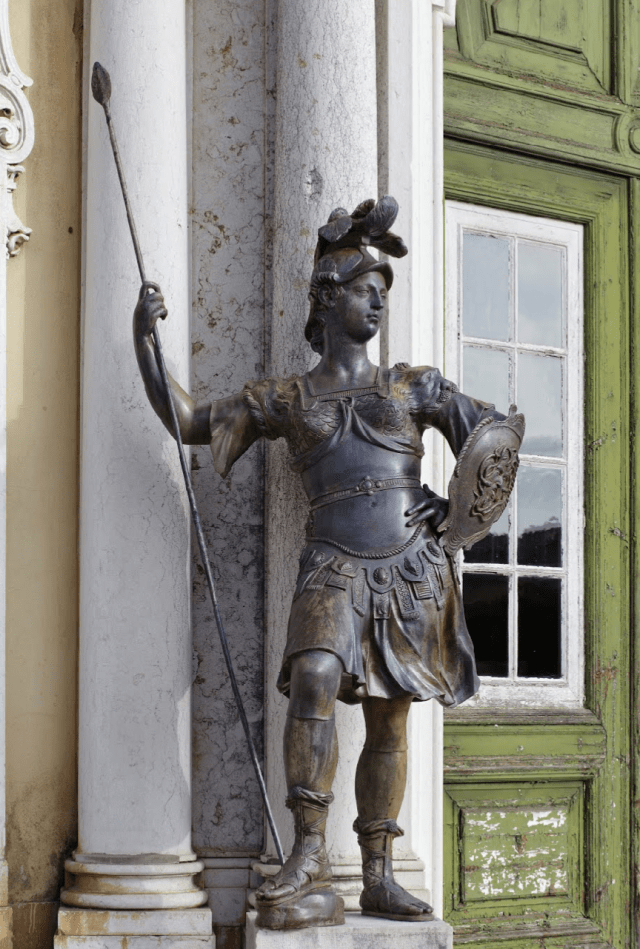
Minerva at Queluz Palace, Portugal
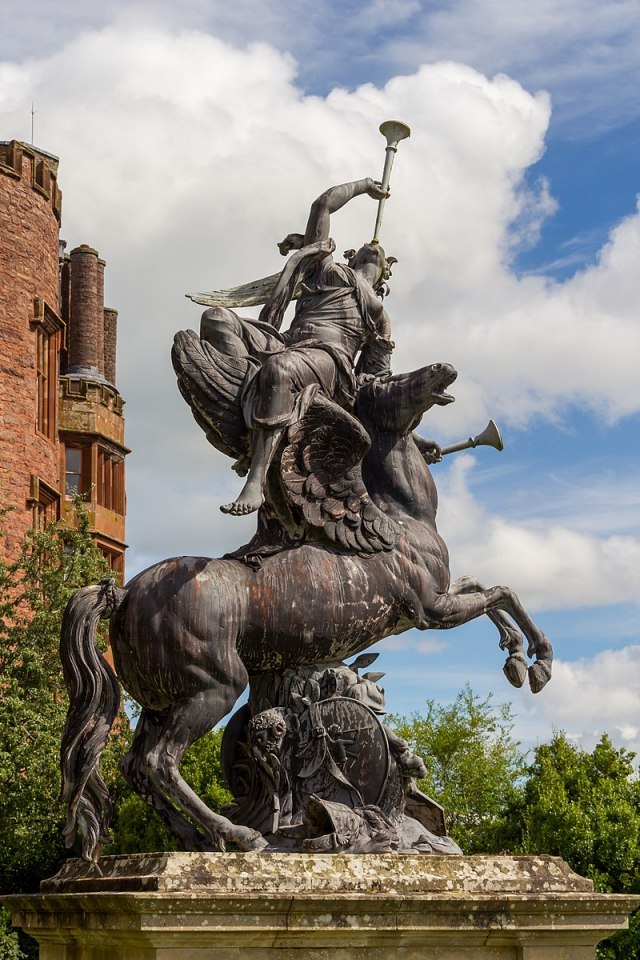
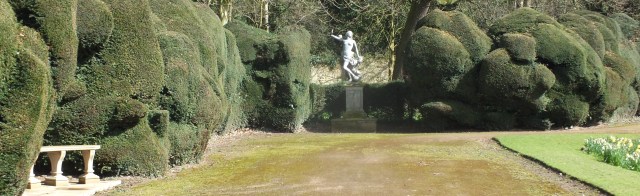
In this my third and final post about 17th and 18thc garden statues I’m turning my attention to John Cheere who was probably the most prolific and arguably the greatest sculptor in lead in Georgian Britain. His work can be seen in many historic gardens around the country, and still commands high prices today if it ever comes to auction.
He trained, alongside his older brother Henry, in the workshops of John Nost II whose story was covered last week. After Nost’s death Henry set up business on his own but in 1739 he and John took the lease on their former boss’s old yard on Piccadilly near Hyde Park Corner which John was to run for the next 50 years.
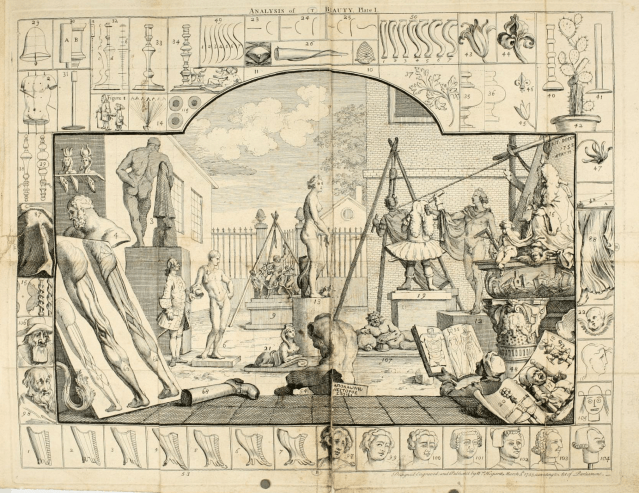
Hogarth’s engraving of his yard captures its almost haphazard state, with copies of classical pieces, mixed up with tomb monuments, anatomical drawings and a statue being lifted on a block and tackle ready for transport to a client.
Continue reading →




 The Garden History Blog

You must be logged in to post a comment.