Japan goes on show

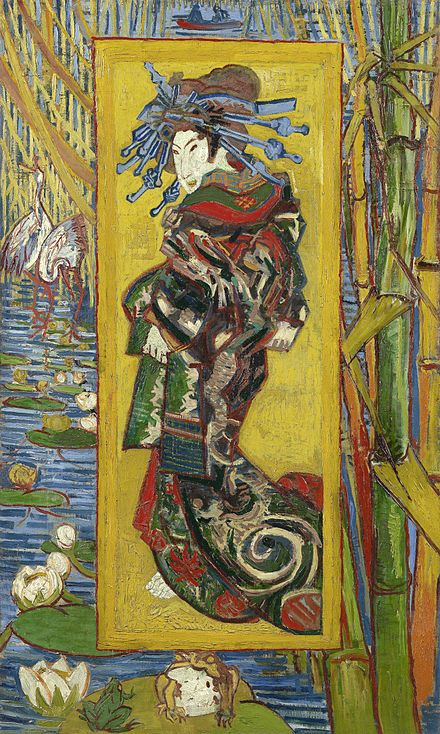
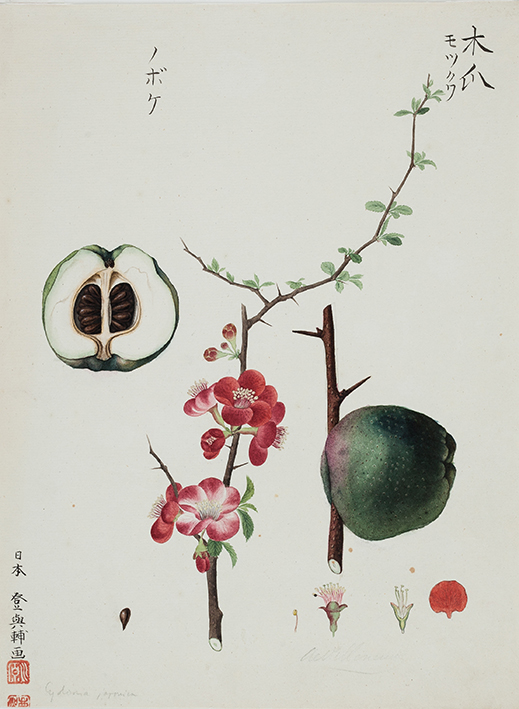
Japanese culture, plants and gardens took the western world by surprise – and by storm – in the second half of the 19th century.

But how did that happen to a country which had been in virtually total isolation for 220 years?

Where did Van Gogh get his inspiration for this painting?

What’s it got to do with cheap packing material?

With an English architect?

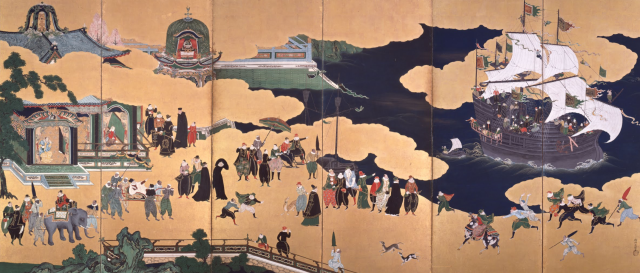
With “Black Ships”?

or with big public events in Paris, Vienna, Philadelphia and Chicago?

Read on to find out…

Continue reading

Posted in Uncategorized | Leave a comment

The Discovery of Japan and its Gardens

In 1893 Josiah Conder wrote the first book by a European about Japanese gardens, which   has been the single greatest influence on Japanese garden design in the West.  Yet  given that Japanese plants and gardens in the Japanese style are now well known in Britain it’s strange to think that up until 40 years before  Conder’s book Japan and its gardens were  largely unknown  to the western world.

It was only in 1854  that Japan was forced to open up to western trade and influence by the threat of war from the Americans. Within a decade Japan and all things Japanese had become one of the dominant themes in all of western culture influencing everything from art and fashion to interior design and gardens.  

This is the first post in a series about the links between Japan and  British and other European gardens. I’m  beginning with the earliest 300 years of western links to “Giapan” when it was first described as “the noble islande otherwise knowne as Japon or Japan”and “the extreme part of the knowen worlde”.

Continue reading

Posted in Uncategorized | Leave a comment

Iris: “the Greatest Show in the Floral Kingdom”.

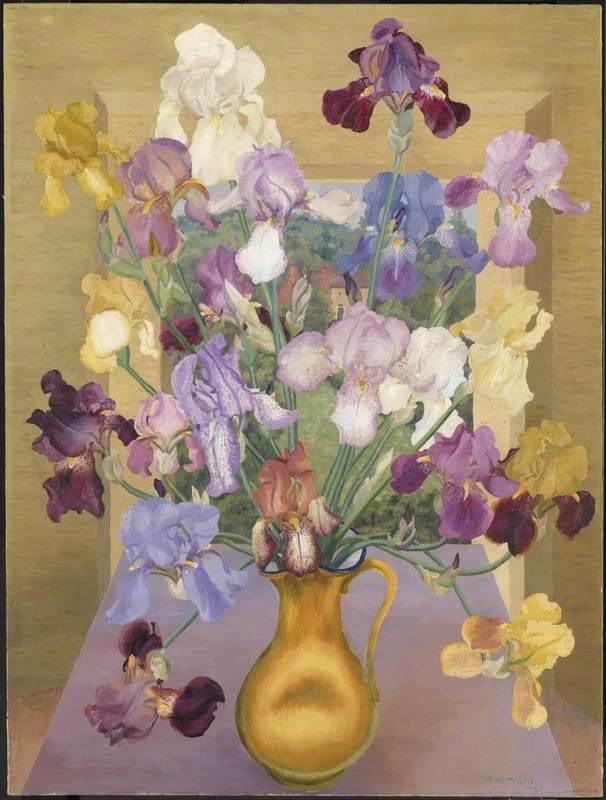
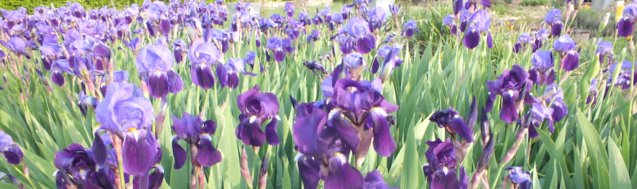
It’s mid-May and my iris have been in bloom and looking magnificent. Not just a few or even a few dozen but several hundred of them, so as you can probably tell from the sheer number I grow, they’re one of my favourite plants. And it’s not just me.

While the American Iris Society’s claim that the Iris is “the Greatest Show in the Floral Kingdom” might be a bit of an exaggeration, it’s not far off because Iris have long captured the human imagination, and today there are many specialist iris nurseries, societies and websites including several specialising in historic varieties.

Continue reading
Posted in Uncategorized | Leave a comment

John Cheere: The Man at Hyde Park Corner

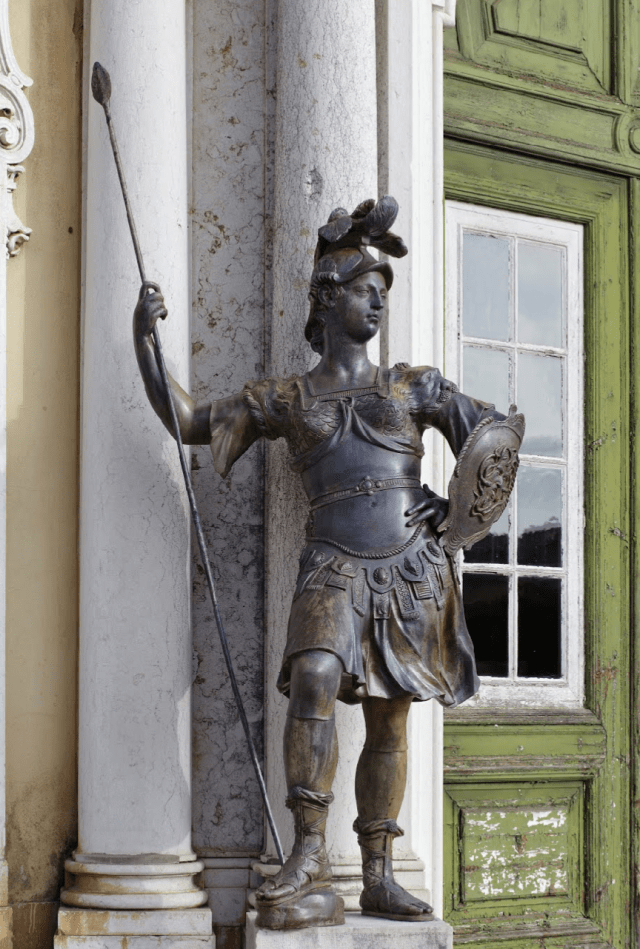
Minerva at Queluz Palace, Portugal

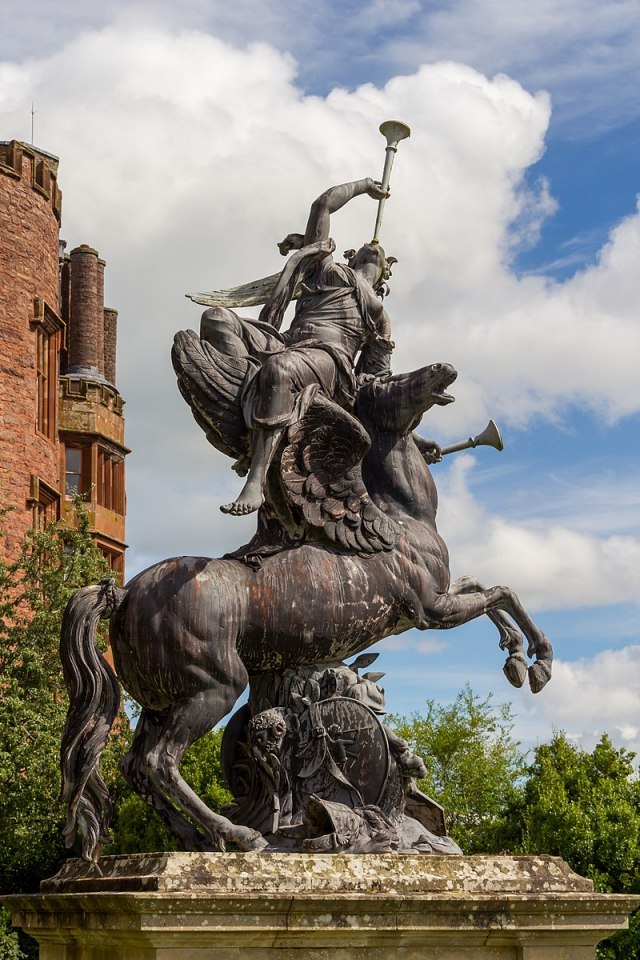
In this  my third and final post about 17th and 18thc garden statues I’m turning my attention to John Cheere who was probably the most prolific and arguably the greatest sculptor in lead in Georgian Britain.  His work can be seen in many historic gardens around the country,   and  still commands high prices today if it ever comes to auction.

He trained, alongside his older brother Henry, in the workshops of John Nost II whose story was covered last week. After Nost’s death Henry set up business on his own but in 1739 he and John took the lease on their former boss’s old yard on Piccadilly near  Hyde Park Corner which John was to run for the next 50 years.

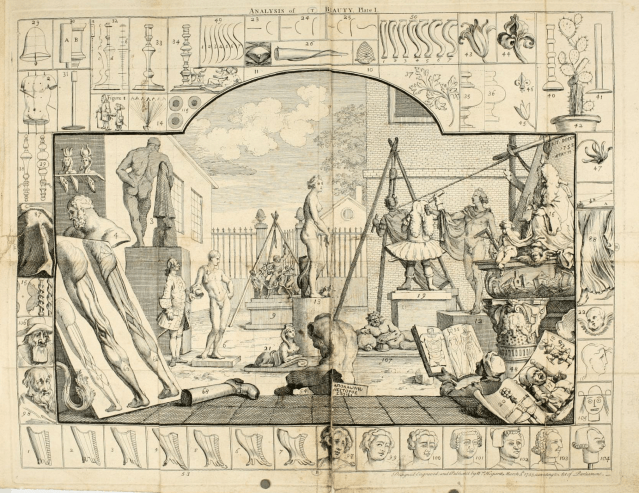
Hogarth’s engraving of his yard captures its almost haphazard state, with copies of classical pieces, mixed up with tomb monuments, anatomical drawings and a statue being lifted on a block and tackle ready for transport to a client.

Continue reading

Posted in Uncategorized | Leave a comment

The Golden Age of Lead

Following on from last week’s post ….the increasing popularity among the British elite for the Grand Tour from the later 17th century onwards introduced them then to classical statuary and contemporary sculpture  in Italy and France.

On their return they wanted  similar ornaments  for their own gardens. However statues made of carved stone or cast bronze were expensive to produce and instead sculptors began experimenting with using lead.  It was easily worked and highly durable and it was possible to produce multiple copies from the same mould, making it much more profitable.

The result was that  money was no longer the deciding factor and soon it wasn’t just royal and the grandest aristocratic gardens that had their array of classical and rustic figures to ornament their walks and parterres.

Andromeda in the gardens of Melbourne Hall, Derbyshire

Continue reading

Posted in Uncategorized | Leave a comment