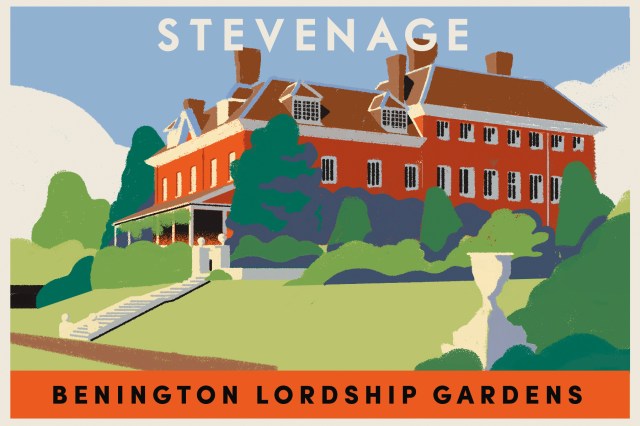
 Benington Lordship wears its long history with a welcoming smile. Lived in by the same family for well over a hundred years it has actually been inhabited since Saxon times. It still boasts the remains of a mediaeval castle as well large chunks of a mock one, a Queen Anne house with Edwardian extensions, extensive rural views, beautiful wildlife friendly gardens and what it’s particularly famous for, vast carpets of snowdrops.
Sadly this year the rain had battered most of them before I got there, but even so it was well worth visiting to see the other spring flowers and the changes that have taken place since my last visit pre-pandemic.
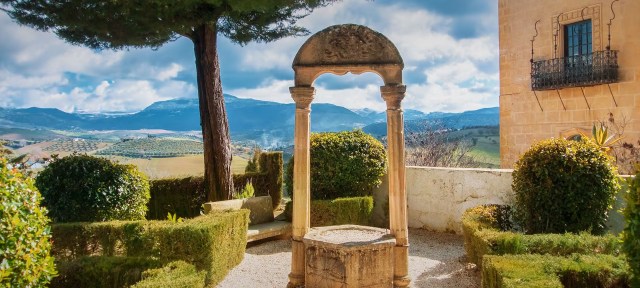
 I’ve discovered I’m a snob. Not so much about people but about plants. I suppose I’d always known that I had that tendency but my trip last week to the Orchid Festival at Kew bought it home in no uncertain terms.
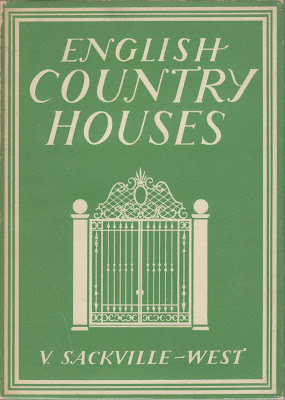 The Gardens Trust is working towards publishing a book on Unforgettable Gardens and together with a few colleagues I’ve recently spent ages trying to decide which ones to include and why. Our debates reminded me of a similar dilemma which must have been faced by Vita Sackville-West when she was writing English Country Houses in the middle of the Second World War. Published in 1941 it had the aim of boosting national pride and morale and reads a little like a love letter to the stately, and even more, the not-so-stately homes of England.





 The Garden History Blog

You must be logged in to post a comment.