Does Marie Antoinette haunt the gardens of Versailles?

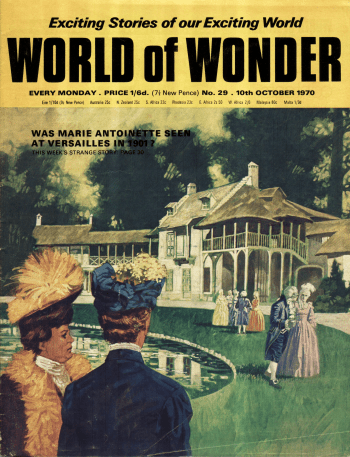
In 1901 two highly respectable academic women – the first principal of St Hugh’s College, Oxford and her deputy – met Marie Antoinette in the gardens of  Versailles. That’s quite a challenging thought  considering the Queen of France had actually been executed  over 100 years earlier.

S0 how did it happen? Here’s the beginning of the story in the words of one of them

“After some days of sight-seeing in Paris, to which we were almost strangers, on an August afternoon, 1901, Miss Lamont and I went to Versailles. We had very hazy ideas as to where it was or what there was to be seen. Both of us thought it might prove to be a dull expedition. We went by train, and walked through the rooms and galleries of the Palace with interest…We sat down in the Salle des Glaces, where a very sweet air was blowing in at the open windows over the flower-beds below, and finding that there was time to spare, I suggested our going to the Petit Trianon. My sole knowledge of it was from a magazine article read as a girl, from which I received a general impression that it was a farm-house where the Queen had amused herself.”

“It was a most enjoyable walk” until….
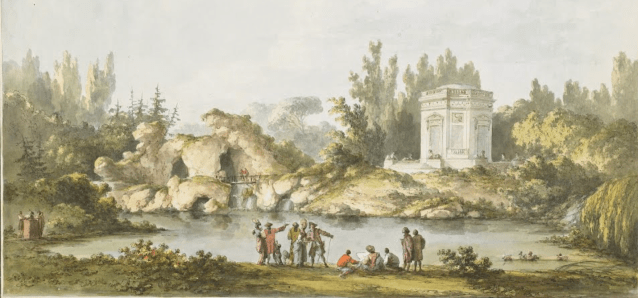
Continue reading

Posted in Uncategorized | Leave a comment

Poisoning Pests, Plants… and People

Two weeks ago I wrote about the history of biological controls in gardening and noted that these days they were once again most people’s preferred way of tackling disease and pests. However no one in Victorian England – or indeed most of the 20th century – would’ve believed the lengths to which many of us 21st-century humans go to protect the planet, the plants, other creatures and ourselves. Instead  they  relied on chemicals which were dangerous in the extreme.

Until  1851 you could buy arsenic, opium, or strychnine an almost any other poison  you could  think of  from your  local chemist.  No questions asked. After all laudanum – a polite way of concealing opium – was the pain relief of choice, while  arsenic was used as a cosmetic as well as for controlling rats and mice. Both they and many other poisons were often used mixed with other substances to form homemade pesticides.  But if you thought that was bad were the 20thc answers to pest control such as DDT  any better?

However one thing is for sure pests and diseases didn’t stand much chance against such an armoury , unfortunately nor did many humans.


Continue reading

Posted in Uncategorized | 2 Comments

Pumpkins

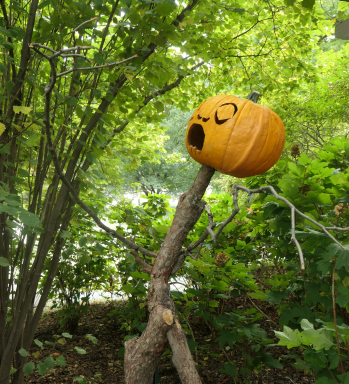
In New York Botanical Garden 2019

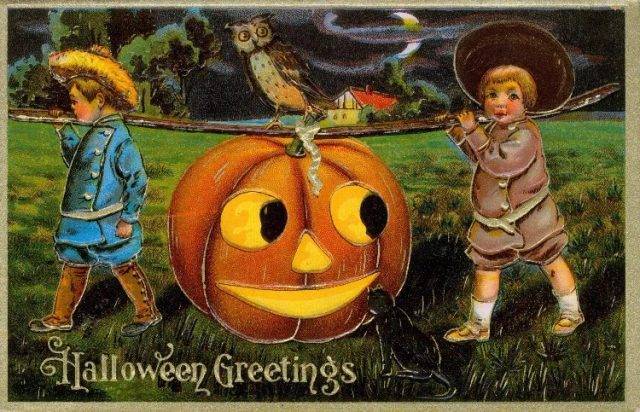
It’s that time of the year again when, in most parts of the western world, shops have been stocking up on pumpkins for Halloween. I admit its not a celebration I particularly like but  even so I’ve often wondered why a big orange fruit from North America should have anything to do with All Saints Eve, so  I thought I’d investigate a bit further.

What I discovered is that although man’s association with pumpkins and squash of all kinds goes back more than 10,000 years their association with Halloween is much much more recent and, of course, is really nothing to do with pumpkins at all!

Continue reading

Posted in Uncategorized | Leave a comment

Death to the Pests!

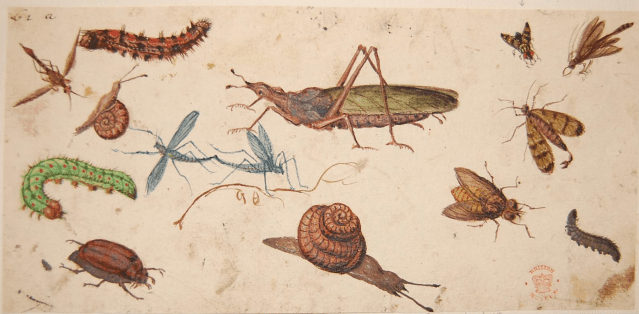
Like most gardeners I’m used to discovering that various crops have been attacked by insects. This summer it was particularly that old favourite the flea beetle on brassicas – no broccoli or rocket survived their depredations almost overnight.

I don’t like spraying but there are times when I feel ready to say “organic gardening be damned!”  It made me wonder how our ancestors coped with garden pests so this week and next I’m going to explore some of the ways  they did.

Continue reading

Posted in Uncategorized | Leave a comment

The Angel of the North

A family wedding took me to County Durham recently and on the way  we passed The Angel of the North. It is such an extraordinary addition to the landscape that on the way home we did a detour and went to see it close up.

Now 25 years old its open arms greet visitors as they near Gateshead  by road or rail and it’s pretty clear why The Angel has been voted year after year as one of the top UK landmarks in national newspapers and polls. It is also one of the most viewed pieces of art in the world, seen by more than one person every second. That’s at least 90,000 every day or 33 million every year! Not even the Mona Lisa can top that.

But what also intrigued me was the way that  the landscape  immediately around about the Angel has been transformed in a way that I’d guess neither Anthony Gormley who created it or Gateshead Council who commissioned it are likely to have expected.

From Making an angel [full reference at the end of the post]

Continue reading
Posted in Uncategorized | Leave a comment