Chocolate Box Gentlemen

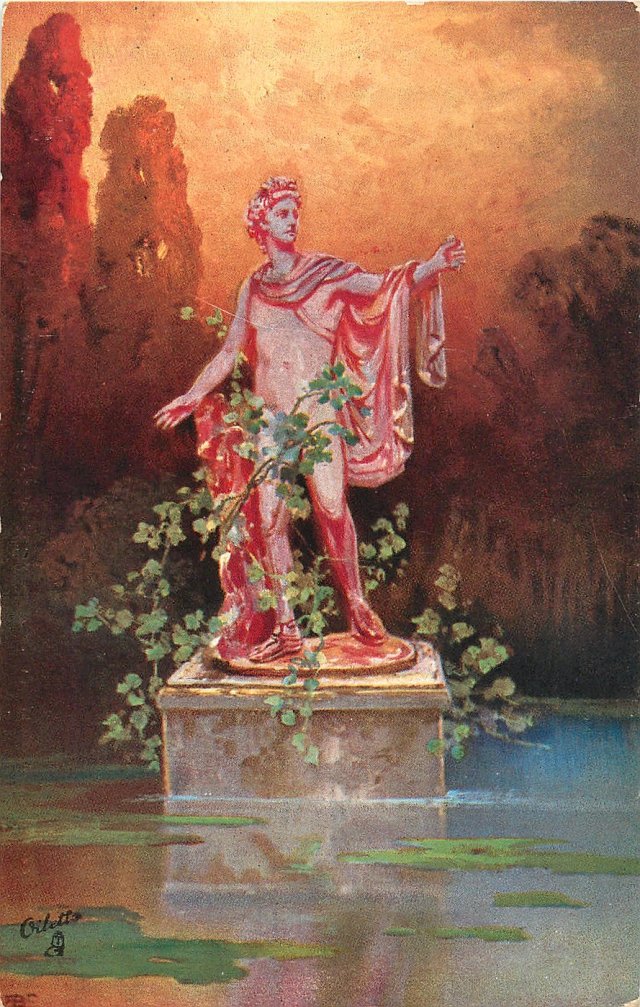
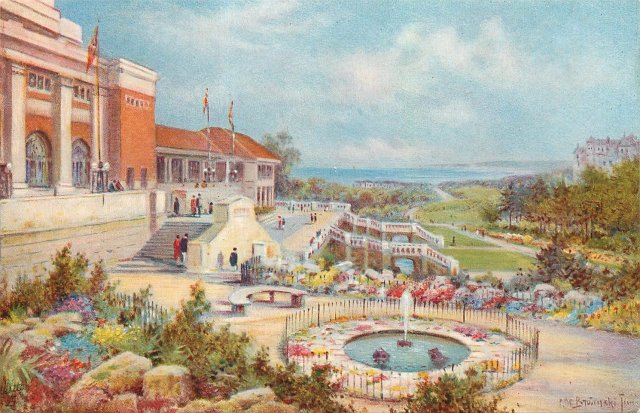
After a recent  post about Chocolate Box Ladies – a nickname for those women artists who painted images for postcards but that could equally well be used for jigsaws or chocolate boxes – this week I’m turning my attention to their males equivalents – Chocolate Box Gentlemen.

The growth in postcard publishing provided work for a wide range of competent [and sometimes maybe not quite so competent] artists,  because on average two million cards were posted every day between 1900 and 1910 and so unsurprisingly there was continual pressure for suitable new pictures .

While I suspect there were more women doing this work, there were certainly quite a few men who made a good living out of it as well, while others  added postcards as a sideline to their more mainstream work.   Can you spot any major differences in style with their female counterparts?
 

Continue reading

Posted in Uncategorized | Leave a comment

New Events in February

I don’t normally do self-promotion or additional posts but there are a couple of events to support good causes that I’m involved in this coming month which I hope  may interest some of you

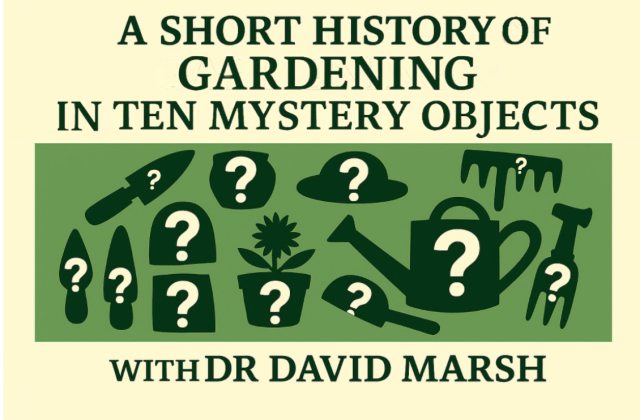
On Saturday Feb 21st I’m running a fun hands-on afternoon   for London Parks and Gardens where, in the first half, those attending will be getting a chance to take a close look at 10 mystery objects connected with the history of gardens and gardening.  Some are everyday, others a bit more unusual and one or two I hope you’ll puzzle over.   After a quick refreshment break I’ll be giving a talk to explain where they fit in the wider historical context, and as well as answering questions.  There’ll also be a reading list and suggestions for further research.

It’s at the  Russell Room, St Mary’s Community Centre, 30 Bourne Street, London SW1W 8JJ. and you can find out more and book tickets via Eventbrite 

I’m also giving an on-line series of four  lectures about Mythical Gardens for the Gardens Trust starting on Wednesday February 25th at 6pm.

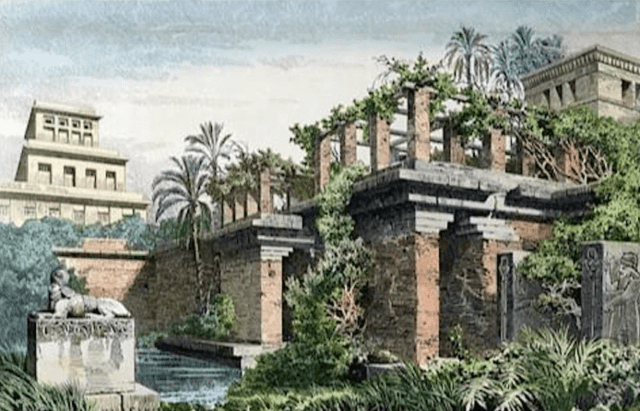
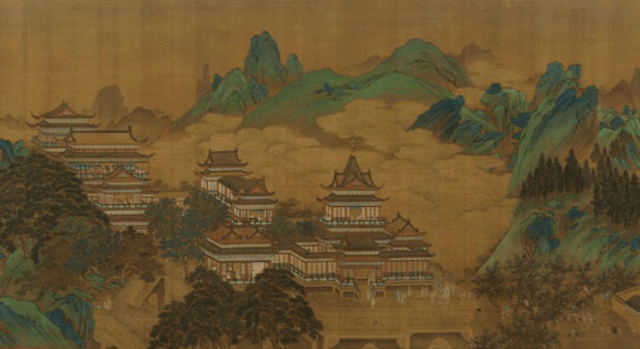
They’ll be about  the Hanging Gardens of Babylon, The Gardens of the Hesperides, Mythical Gardens of China and the Garden of Eden.   You can find out more and  book tickets via Eventbrite

If you have any questions about the arrangements then please contact the organisers via Eventbrite or if its just about the content  contact me at david@thegardenhistoryblog.org

Hope to see you at some of them!

Posted in Uncategorized | Leave a comment

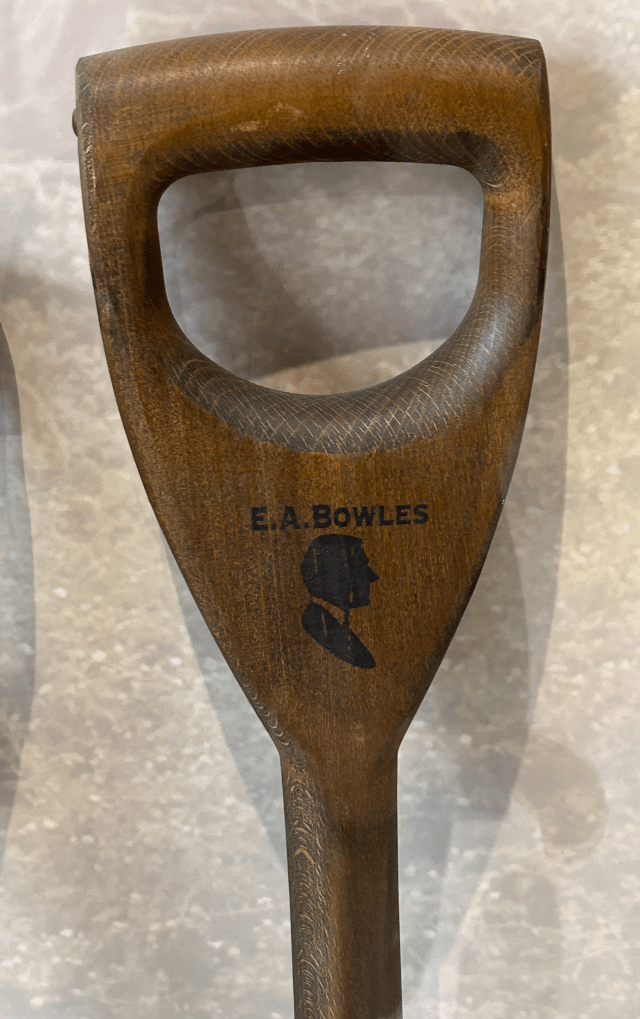
E.A. Bowles and his garden at Myddelton House

Following on from last week’s history of the crocus this week’s going to look at the man who really popularised them in Britain.  Edward Augustus Bowles  -“Gussie”  or “Bowlesy” to his friends – was one of the 20th century’s great gardeners. Largely self-taught he was an accomplished artist, entomologist and botanist and an entertaining and knowledgeable writer who travelled widely with many eminent plant hunters of the day including his good friend, the plant hunter Reginald Farrer, who called him both “Little Father Augustus” and “The Crocus King”.
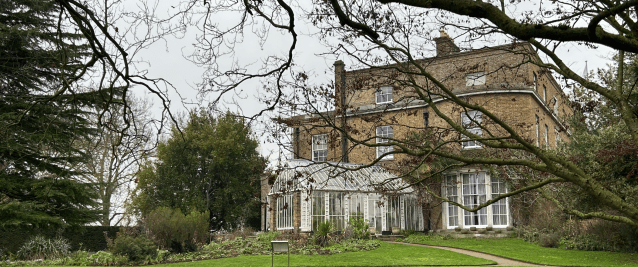
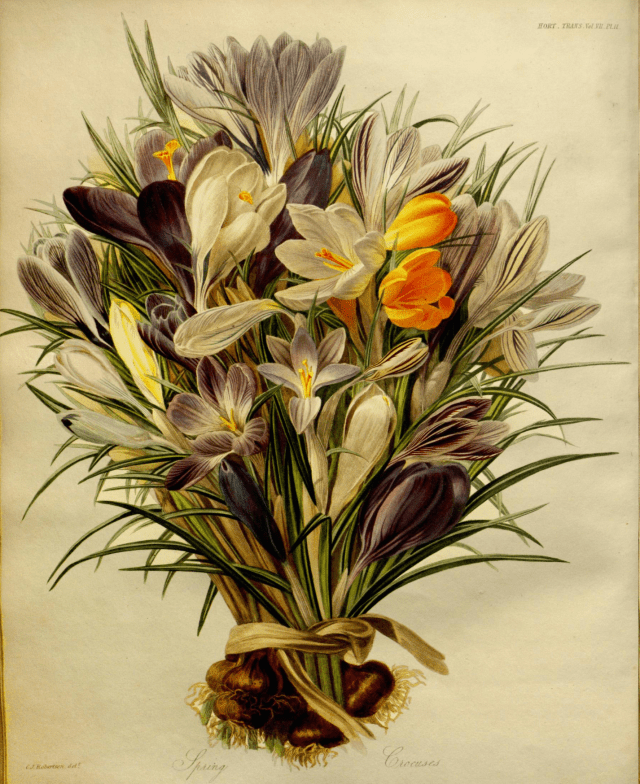
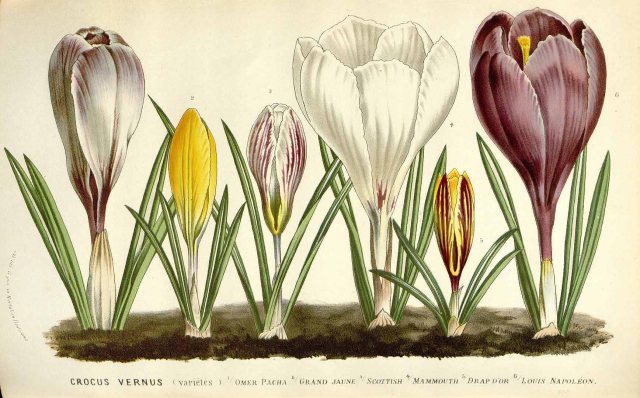
Apart from the  remarkable garden he created at Myddelton House, his life-long home on the outskirts of Enfield,  and the many cultivars he raised,  Bowles became a stalwart of the Royal Horticultural Society volunteering for them for over 50 years. He also authored several books which are still highly readable.

A grey and drizzly day in January probably isn’t the best time to see a garden but I hope the photos encourage you to go and visit Myddelton as soon as you can.

Continue reading

Posted in Uncategorized | 2 Comments

Crocus

We’re all used to having snowdrop open days early in the year  but I wonder why there don’t seem to be any open days for crocus -which is a bit odd since crocus are more colourful and cheerful, and don’t blend in with snow or frost, and while they naturalise easily they’re not very demanding. Any way, that sent me thinking…and after I’d done a bit of research I also wondered how and why such a little flower could have such a big history.

As E.A.Bowles the great gardener and garden writer said in the opening lines of his book on the family: “The Genus Crocus deserves more attention than it has hitherto received in British gardens.” So here goes…

Continue reading

Posted in Uncategorized | Leave a comment

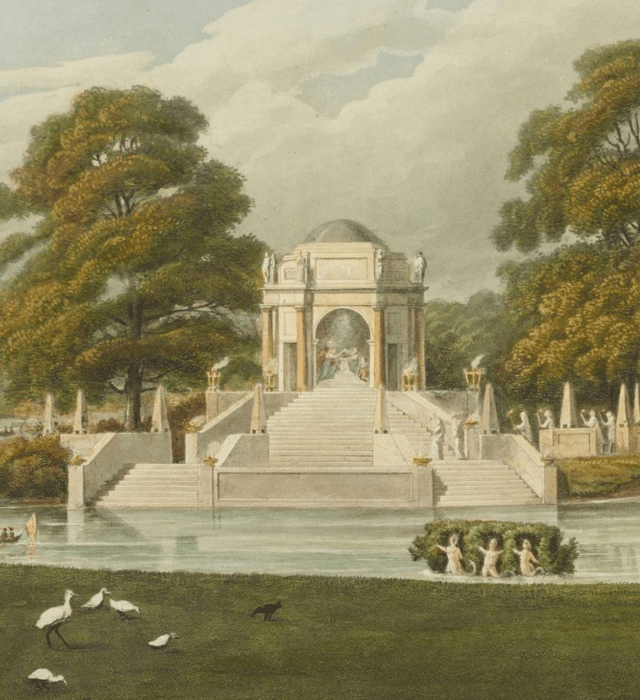
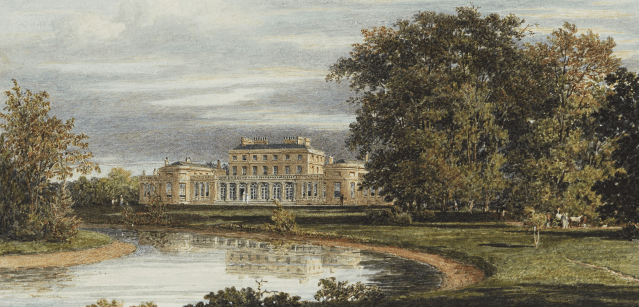
Frogmore: Queen Charlotte’s “Little Paradise”

Last week’s post looked at Queen Charlotte’s garden making at Buckingham House, Kew and Windsor but in 1790 she was given another house, Little Frogmore on the royal estate at Windsor. Two years later she also acquired its neighbour Great Frogmore.  Only a mile or so away from the castle itself together they contained some 35 acres and although the natural flat setting did not immediately commend itself for the creation of a garden, this did not deter Charlotte.  In the last years of her life she was to create  a new picturesque landscape that remains largely intact to this day.

Continue reading

Posted in Uncategorized | Leave a comment