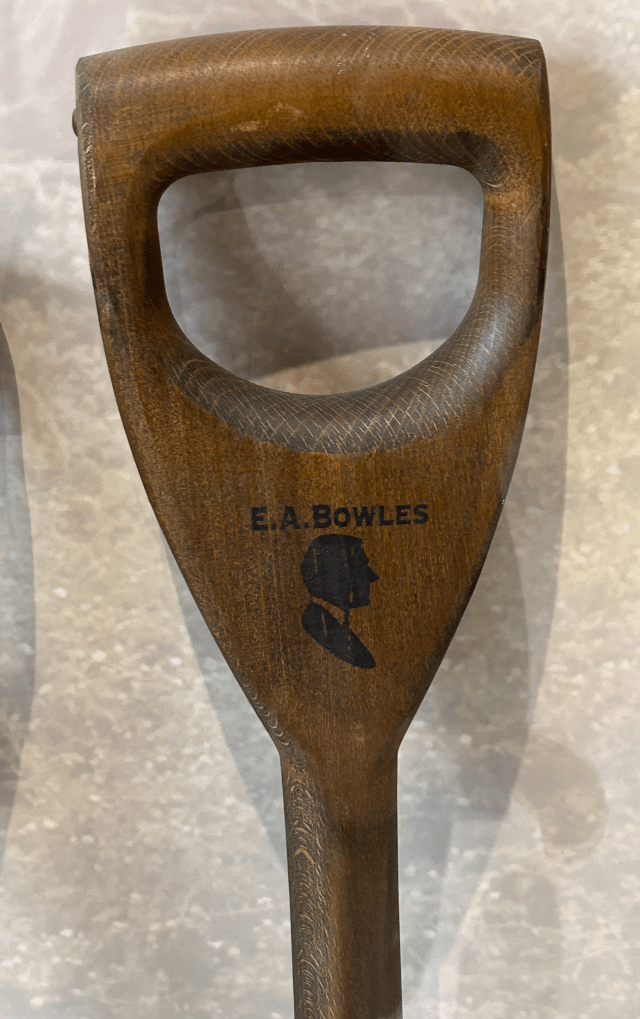
E.A. Bowles and his garden at Myddelton House

Following on from last week’s history of the crocus this week’s going to look at the man who really popularised them in Britain.  Edward Augustus Bowles  -“Gussie”  or “Bowlesy” to his friends – was one of the 20th century’s great gardeners. Largely self-taught he was an accomplished artist, entomologist and botanist and an entertaining and knowledgeable writer who travelled widely with many eminent plant hunters of the day including his good friend, the plant hunter Reginald Farrer, who called him both “Little Father Augustus” and “The Crocus King”.

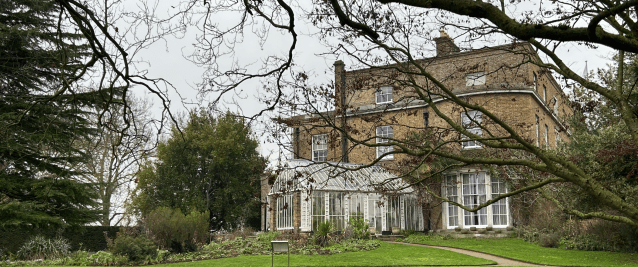
Apart from the  remarkable garden he created at Myddelton House, his life-long home on the outskirts of Enfield,  and the many cultivars he raised,  Bowles became a stalwart of the Royal Horticultural Society volunteering for them for over 50 years. He also authored several books which are still highly readable.

A grey and drizzly day in January probably isn’t the best time to see a garden but I hope the photos encourage you to go and visit Myddelton as soon as you can.
Continue reading

Posted in Uncategorized | 2 Comments

Crocus

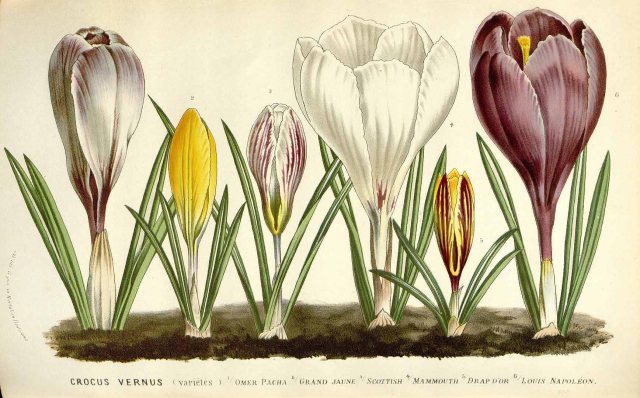
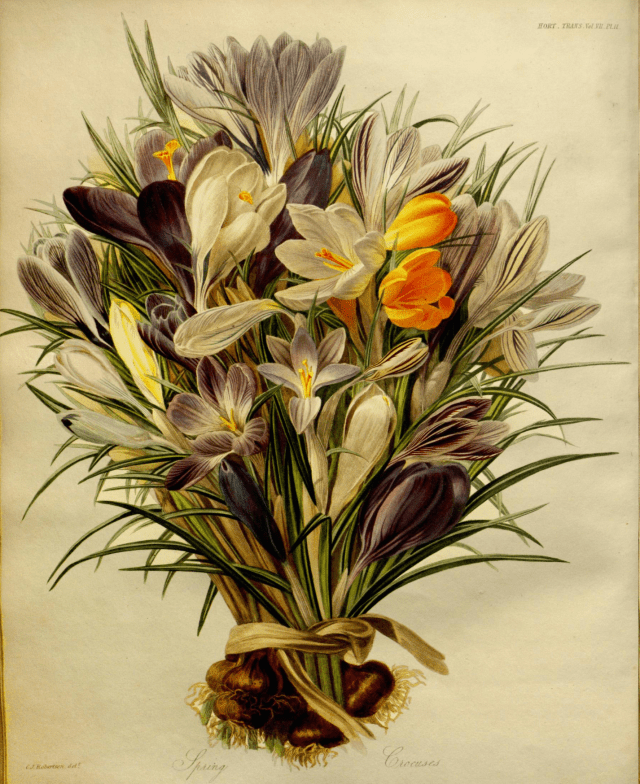
We’re all used to having snowdrop open days early in the year  but I wonder why there don’t seem to be any open days for crocus -which is a bit odd since crocus are more colourful and cheerful, and don’t blend in with snow or frost, and while they naturalise easily they’re not very demanding. Any way, that sent me thinking…and after I’d done a bit of research I also wondered how and why such a little flower could have such a big history.

As E.A.Bowles the great gardener and garden writer said in the opening lines of his book on the family: “The Genus Crocus deserves more attention than it has hitherto received in British gardens.” So here goes…

Continue reading

Posted in Uncategorized | Leave a comment

Frogmore: Queen Charlotte’s “Little Paradise”

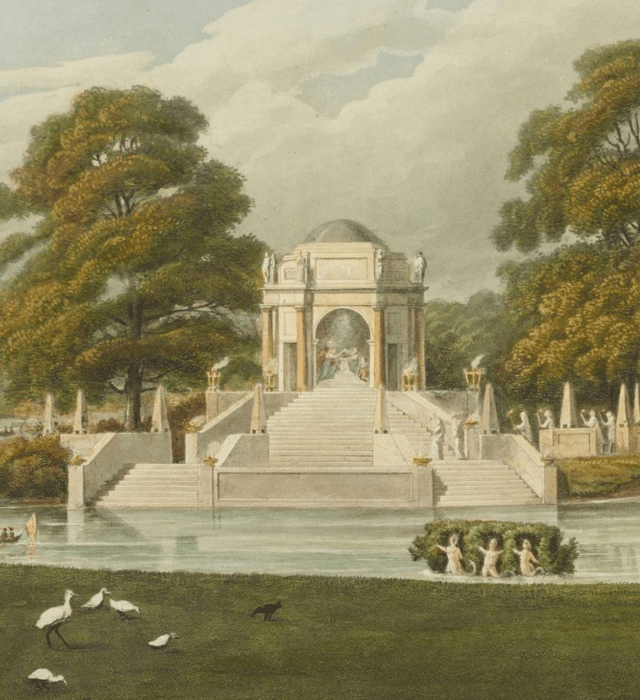
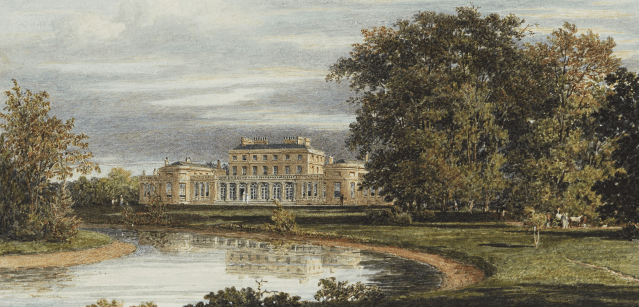
Last week’s post looked at Queen Charlotte’s garden making at Buckingham House, Kew and Windsor but in 1790 she was given another house, Little Frogmore on the royal estate at Windsor. Two years later she also acquired its neighbour Great Frogmore.  Only a mile or so away from the castle itself together they contained some 35 acres and although the natural flat setting did not immediately commend itself for the creation of a garden, this did not deter Charlotte.  In the last years of her life she was to create  a new picturesque landscape that remains largely intact to this day.

Continue reading

Posted in Uncategorized | Leave a comment

Queen Charlotte the Gardener

What do you know about Queen Charlotte?
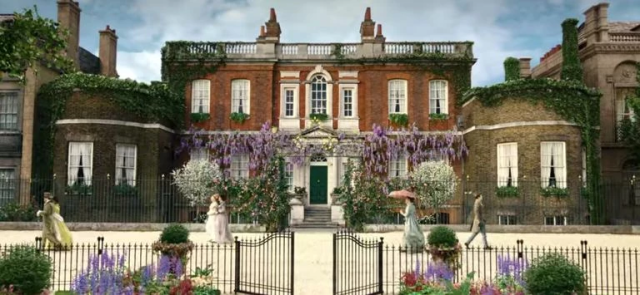

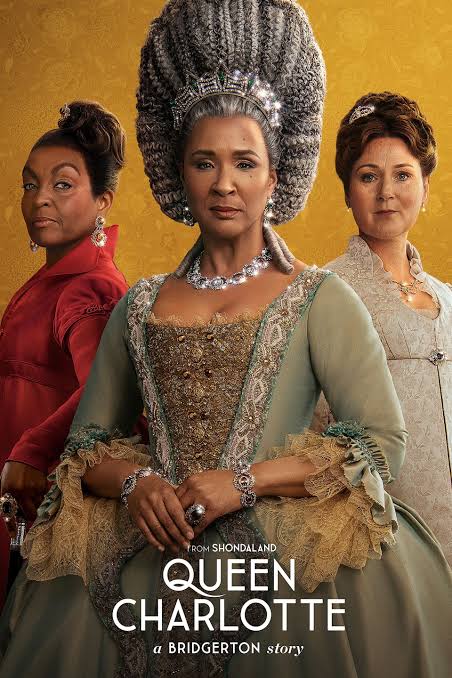
I’d bet for many people whatever they know comes from having seen her on Bridgerton, so they’re likely to know she was the wife of George III  a marriage which lasted for over 57 years. They might also know  that she had 15 children with him, and that there is some unfounded controversy about her ethnicity.

But I wonder how many might know that  she was an enthusiastic botanist and very keen gardener ….& that she was not responsible for the fake -and anachronistic – wisteria seen in the series on the front of the Bridgerton residence .

Wisteria on Rangers  House, Blackheath, the TV location of the Bridgeton residence. Wisteria was not introduced to Britain until 1816 , just a year or so before Charlotte died.
For more on wisteria see this earlier post

Continue reading

Posted in Uncategorized | 1 Comment

Cyclamen

This gallery contains 44 photos.

HAPPY NEW YEAR!  Are you one of those lucky people who’ve been given a cyclamen for Christmas?  Or maybe that should be unlucky people because many of us find they can be difficult to keep alive  for longer than one … Continue reading

More Galleries