

Way back in March 2021 I wrote a piece about swans, which concentrated on their history in parks and gardens in Britain from the mediaeval period through to the 17thc. Then they were probably regarded as high status food as much as anything more aesthetic. I’ve been meaning to continue it ever since and today I’ve finally managed to get round to it!
From the 18thc onwards swans were rarely eaten and so presumably kept, or encouraged to stay, simply because they are beautiful and ornamental. They make the occasional appearance in paintings of 18thc gardens, never centre stage, but more generally on water in the wider estate.

Whatever the reason that’s a good excuse to include a lot of nice images!
But swans didn’t just grace the scene as living creatures, they can be seen in statues, ornaments and decor both in interiors and gardens including a recent rediscovery about one of England’s greatest lost gardens.


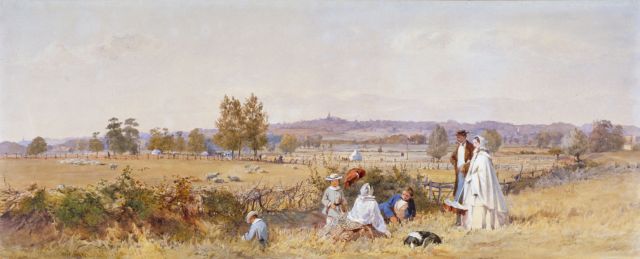
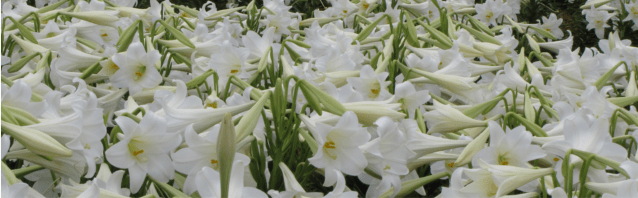
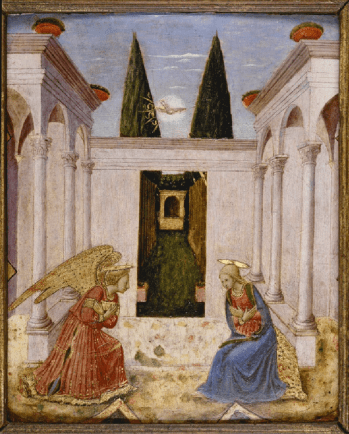
 Do a quick google search on traditional flowers for Easter and you’ll find what comes up are lots of florists websites telling you about the “Easter Lily” and while other flowers such as daffodils and tulips are suggested too it’s lilies that seem to predominate. So I thought I’d investigate further and discover the story of the “Easter Lily”, the florist’s name for what botanists call Lilium longiflorum, and the market traders in London’s Columbia Road Flower Market shout out more simply as ” Lonjee lilies”

 One of my favourite garden writers is Beverley Nichols, and the other day I discovered this wonderful quote about him and his work: If Bertie Wooster and Gertrude Jekyll had a son, surely he would have been Beverley Nichols. Today’s post is proof of that.


 The Garden History Blog
You must be logged in to post a comment.