
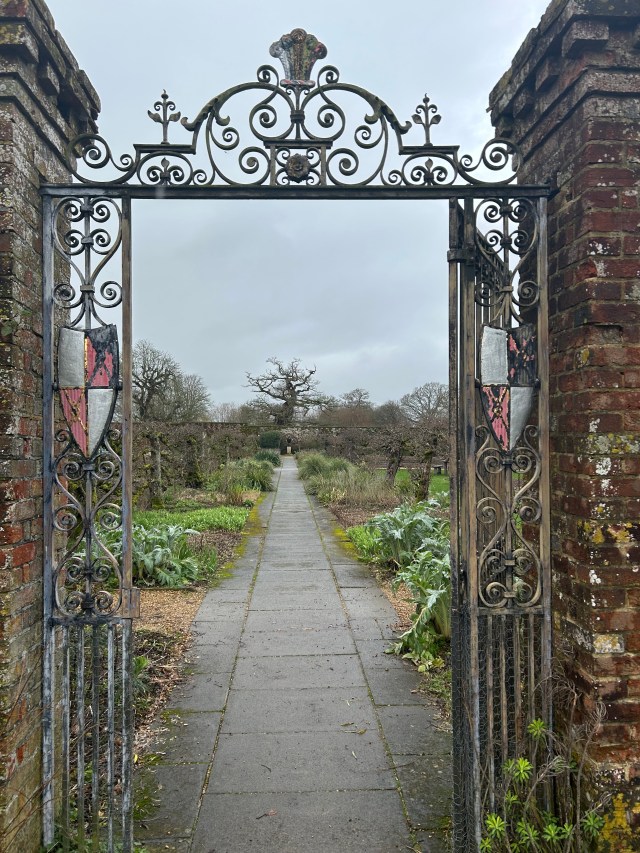
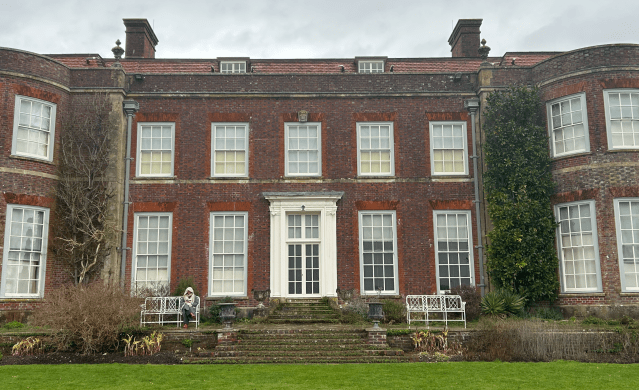
 The National Trust holds many of our greatest historic houses and gardens but I often think its greatest holding is not those but the many less well-known, less grand and yet more typical small country houses and estates.
I stopped off at one of them on my recent rainy and windswept visit to Bournemouth and despite the miserable dreary weather came away positive that this really is where the Trust’s great strength lies. Places like Hinton Ampner may not be as well known as Stowe or Stourhead, and you may never have heard of Ralph Dutton but he and the house and garden he saved and re-invented are just as important to our national heritage, albeit in different ways.
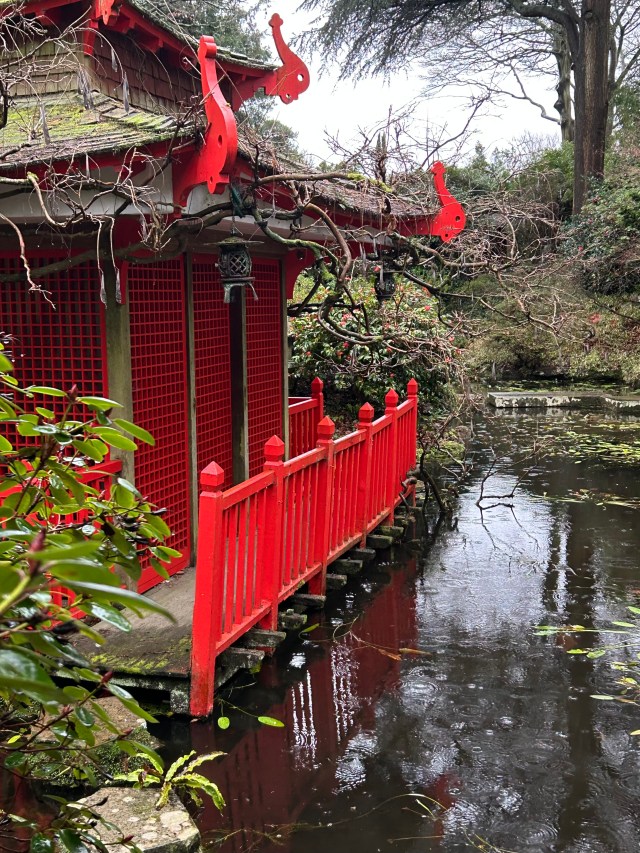 I’ve just spent a long weekend in high winds and pouring rain , exploring some of the gardens around Bournemouth. Not ideal conditions, even in February, but the unusual advantage was that we were usually the only people on site! The one garden where the wind and the rain didn’t matter that much was Compton Acres at Canford, between Poole and Bournemouth.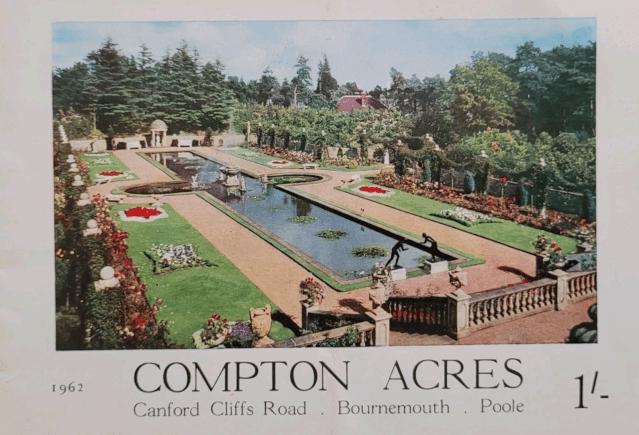
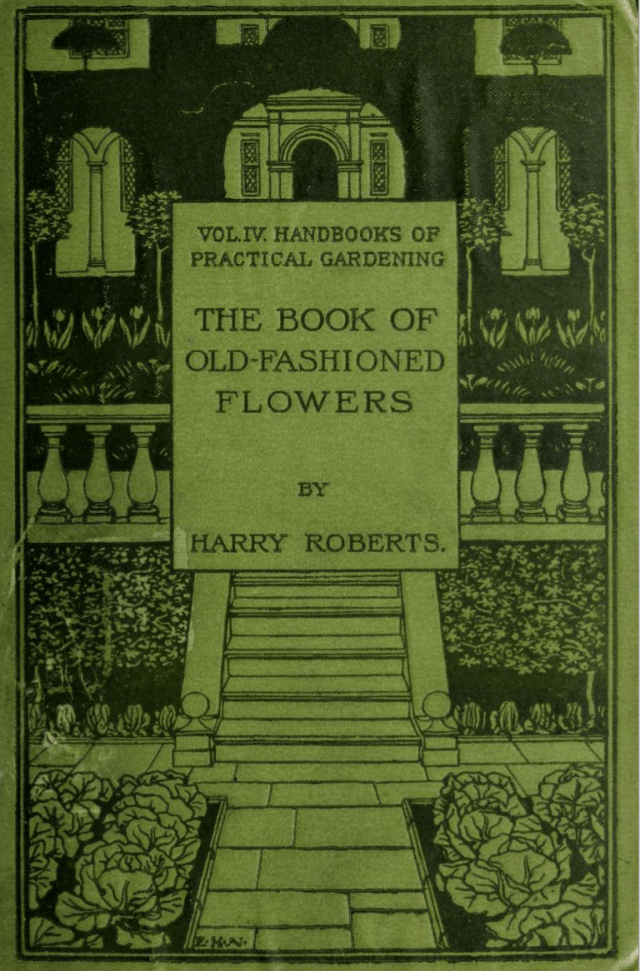 Browsing second-hand books a few months back I chanced up a shelf that had a stack of similar looking volumes which all came from a series called “Handbooks of Practical Gardening”. They covered almost every aspect of horticulture you can imagine from Asparagus Growing and Bee-Keeping to Daffodils and Fruit Bottling via Garden Pests, Window Gardening and Rarer Vegetables.






 The Garden History Blog
You must be logged in to post a comment.