Love Apples and Wolf Peaches

No that’s not an instruction, but a couple of the old names for something you’ve probably got fresh and in tins in your kitchen. If you have a garden or allotment and enjoy growing your own food you probably have them there as well.  

Wolf peach” is the literal translation of lycopersicum – an older botanical Latin  name for this well known plant. Some of its relatives might also be sitting in your kitchen waiting to be eaten although others such as woody nightshade and black nightshade  are pretty deadly with poisonous fruit or leaves so best kept out of the way.  Indeed when Love Apples, another of their nicknames,  were first introduced into northern Europe in the late 16thc many people avoided eating them  thinking they  shared the same deadly traits.    Even without the benefits of modern hybridisation and improvement our ancestors didn’t know what they were missing. Nowadays there’s even a global society dedicated to them

I am of course talking about ….

Continue reading

Posted in Uncategorized | Tagged , , , , , | Leave a comment

Charles McIntosh

Oh no I can almost hear you thinking – another post about a dull old man who happened to like gardening…. but don’t give up yet because Charles McIntosh or M’Intosh as he is often called is neither dull nor ordinary.

A friend of Loudon, Lindley and Paxton but never as well-known he was always interested in the scientific and practical advancement of  horticulture, and his articles, books and inventions are definitely worth hearing more about, as are the gardens he designed and worked in both in Britain and abroad. 

Continue reading

Posted in Uncategorized | Tagged , , , , , , | Leave a comment

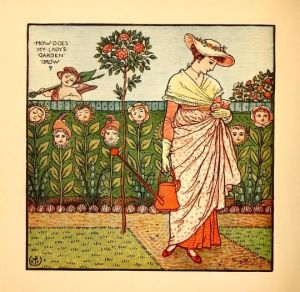
Watering

We easily forget how life-changing some gardening inventions can be.  In the past I’ve looked at the origins of the spade, the wheelbarrow and hosepipe and today’s post, inspired by the latest heat wave,  is in the same vein.

So here’s your starter for 10. “Who invented the watering can?”  Then additionally… When? and Where?

You can skip the rest of the post if you know the answers… otherwise read on!

Continue reading

Posted in Uncategorized | Tagged , | Leave a comment

West Wycombe : the perfect Georgian park?

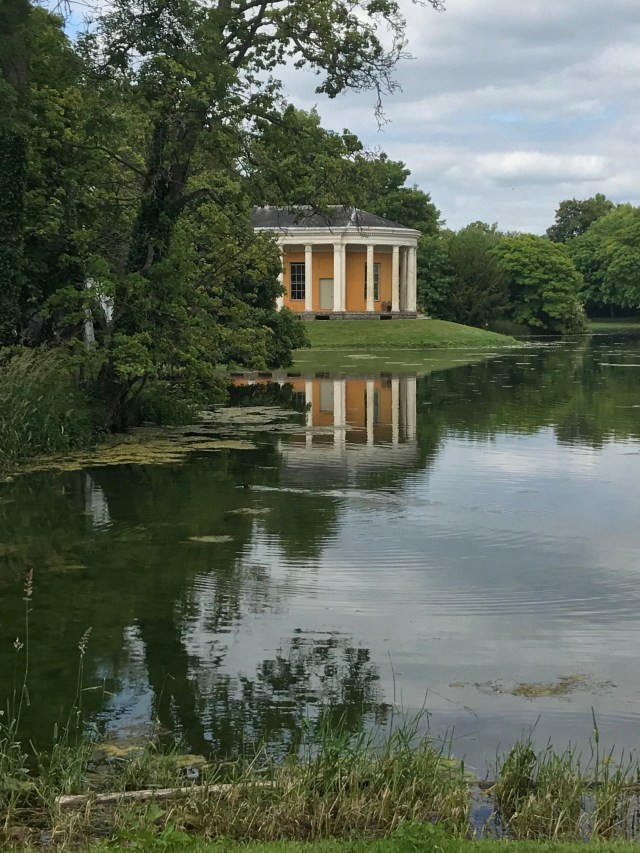
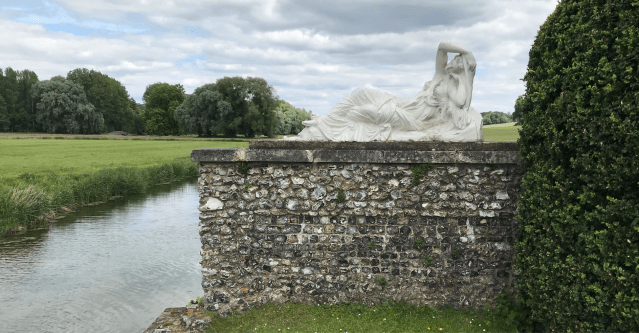
After last week’s post about Sir Francis Dashwood, outlining the background history of West Wycombe and its wider landscape today I’m turning my attention to the pleasure grounds and parkland of the estate.  Like the house itself these were designed  in stages by Sir Francis  over the course of  his life, beginning after his return from Italy in 1735. However his ideas changed and developed and he often altered earlier features as he went along.  Surprisingly there isn’t that much documentary evidence, or many extant contemporary descriptions but  the grounds are recorded in two sets of contemporary paintings while  the layout and, of course, many of the features he built still survive.


Continue reading

Posted in Uncategorized | Tagged , , , , , , , | Leave a comment

West Wycombe & Sir Francis Dashwood

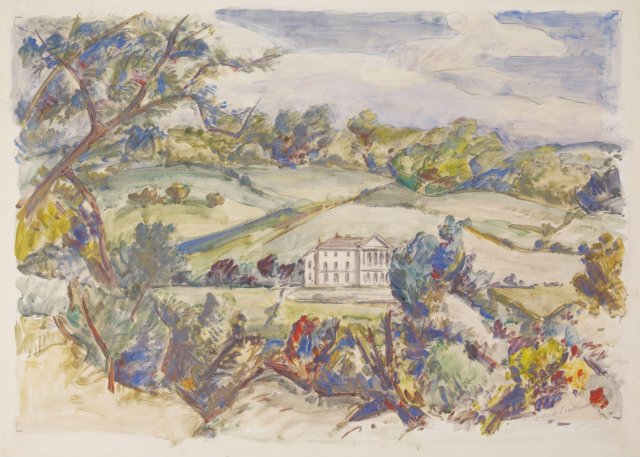
It’s very rare indeed to find a seemingly unspoilt designed landscape, especially one dating from the mid-18thc. Yet a few do exist, although I suspect none are as convincing,  despite the changes that have inevitably taken place, as West Wycombe Park in Buckinghamshire.

Created by the dilettante art collector, libertine and libertarian, Sir Francis Dashwood – clearly a man with a sense of humour – it is an impeccable Georgian estate, smaller in scale than  Stowe which is not far away, but equally special and if anything even more engaging.  It was my birthday treat visit recently…and what a treat it proved to be.


Continue reading

Posted in Uncategorized | Tagged , , , , , | Leave a comment