Real Life on a Regency Estate

I bet that like me you have a picture of Regency England as elegant and refined , and think life for its elite was comfortable and easy. I suspect our view of the past is always rose tinted but  perhaps a look at some charming but quirky, almost cartoon-like paintings done by  the daughter of one landowning family in Essex will help challenge some of those  illusions.

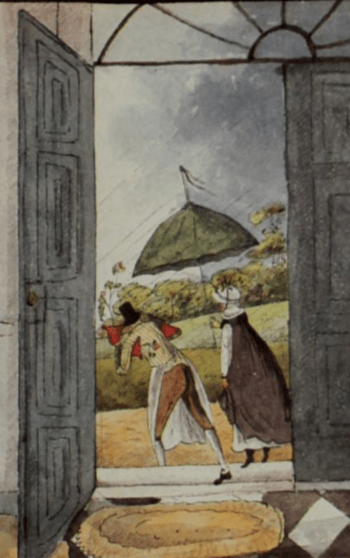
Diana Sperling’s sketch books were   drawn between 1816 and 1823 and show a different side of  life  in a country estate. Yes there are servants, yes there are nice possessions  and plenty of time and space to roam – but there’s  also plenty of inconvenience, myriads of flies and lots and lots of mud!

“The Lord of the manner and his family going out to a dinner party at 5 o’clock with a tremendous stile before them”

Continue reading

Posted in Uncategorized | 3 Comments

Welcome to England

Let’s start February with a question.  Do gardens have to fit into a particular pattern to be “acceptable” or merit  inclusion on the “must-visit” list?  There are quite a few people who think they shouldn’t have to and that we’re too hung up on particular notions of culture, beauty, and good taste.  They argue that gardens, like art generally, should encompass a much wider range of ideas, styles and materials and not be subject to so much analysis or or always be seen through a traditional lens, or subject to “collective” approval to be successful or interesting.

It has led to a flourishing of alternatives  in galleries and gardens across the world.  You might not like the results,  but there’s no denying they are  …lets, for the sake of argument,  say …”different”

Where’s this? And NO its not on top of the White Cliffs of Dover

Continue reading

Posted in Uncategorized | Tagged , , , | 1 Comment

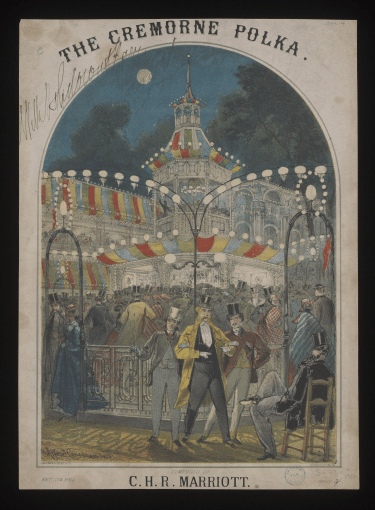
Whistler and the last days of Cremorne

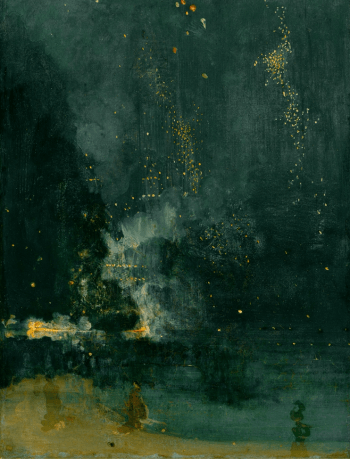
In 1863 the American artist James Whistler leased a house in  Chelsea overlooking the Thames. The river, its bridges and boatyards  became one of his principal subjects, and featured in a series of night-time paintings he called Nocturnes.

Whilst most of these are evocative views of the river itself, some of them also captured the ephemeral spirit of the pleasure grounds of Cremorne Gardens in the years just before they closed in 1877. As a result while  the gardens  have disappeared under bricks and mortar,  these paintings,  and others by  Whistler’s  sometime friend and collaborator Walter Greaves, help them live on.


Continue reading

Posted in Uncategorized | 1 Comment

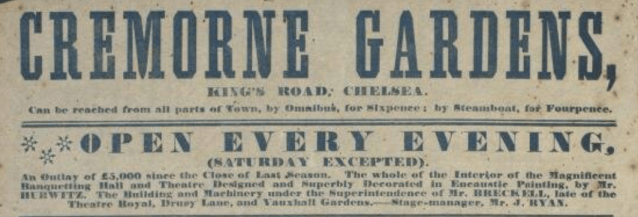
Cremorne Gardens: Drinking, Dancing and Danger!

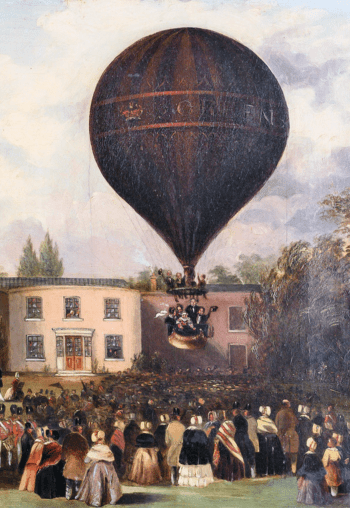
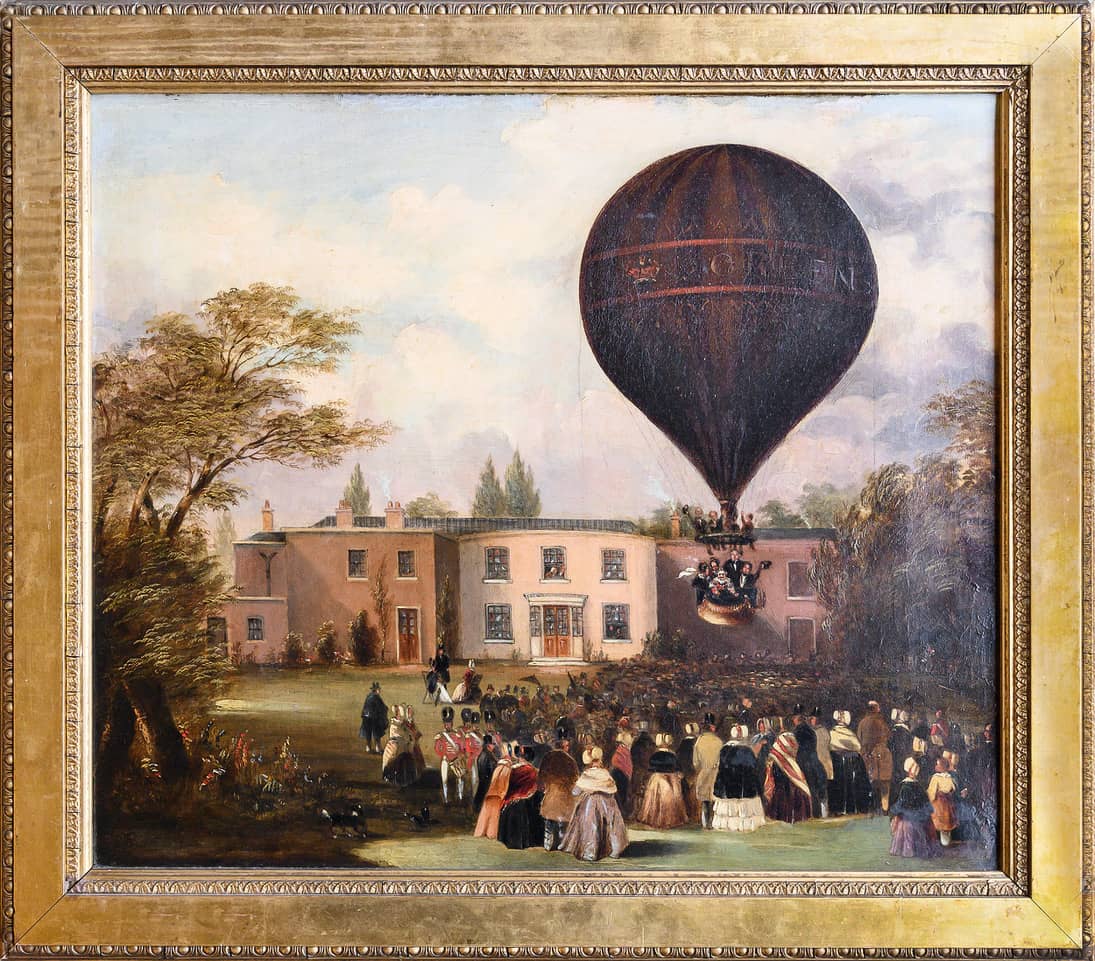
Chelsea, nowadays largely the playground of the rich, was in the middle of the 19thc the playground of every class of Londoner, with almost every form of popular entertainment on offer on the banks of the Thames at Cremorne. Whether you liked the circus or carousing, ballooning or ballet,  fireworks or freak-shows,  danger or dancing, Cremorne  became THE place to go.  

Last week we looked at the rather shaky early days of the gardens and today’s looks at what happened after  Thomas Simpson the new lessee took over in 1850. He expanded the site to about 20 acres, investing huge amounts of money  remodelling the gardens, adding new attractions and hiring entertainers from all round the world.  

In the end there was  almost too much to do  and all for one shilling admission.

Continue reading

Posted in Uncategorized | Tagged , , , , , , | Leave a comment

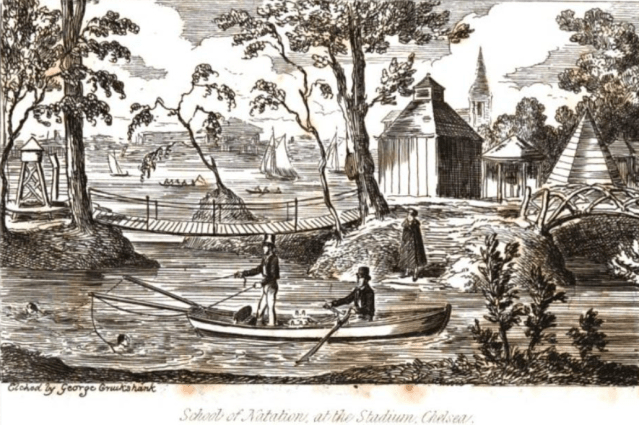
The First Chelsea Stadium

 Say Chelsea Stadium to most people and they’ll think of football but Stamford Bridge wasn’t the first stadium in Chelsea. The earlier one had beautiful gardens and was a  venue for sports of all kinds [apart from football]. Sadly all that’s left of it  is a small patch of public park  sandwiched in between a busy road and the Thames.

Chelsea’s first  stadium later became what Illustrated London News  in 1851  called the “pleasure resort” of Cremorne Gardens.  It soon gained a reputation for being  rather racy where “students and shop girls, soldiers and civilians, dissipated young bloods, paterfamilias with their better halves, schoolboys and children’s nurses” all mixed.    “It is not an edifying place” instead it’s one where  “Londoners leave their prudery at home.” So what’s the story of this unedifying place where prudery was not much in evidence?

Continue reading

Posted in Uncategorized | Tagged , , , , , , | Leave a comment