
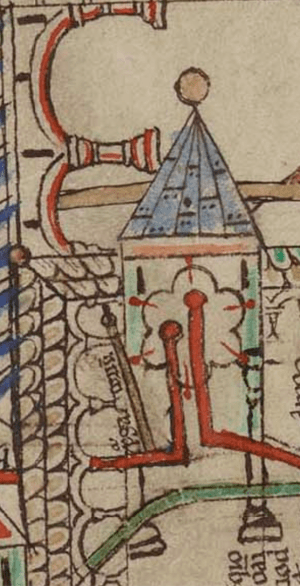
 One subject that always seems to raise a lot of interest on the courses I run about the history of gardens is the mediaeval garden. Although most of us will have a vague picture of what we think they were like, the quest for the reality of mediaeval gardens and green open spaces is tantalising.
When I ask what might be the best source for finding out about them given that unsurprisingly, there are no actual mediaeval gardens left, most people say illuminated manuscripts. Unfortunately these really only begin to show details of daily life such as gardens from the late 14thc onwards. Next on the suggestion list is archaeology which is increasingly sophisticated and these days can indeed reveal all sorts of things that would never be recorded by documentary sources. Analysis of the contents of rubbish pits and sewers, pollen and soil samples add a huge amount of detail to the physical remains of buildings and hard landscaping. Other options offered are literature, poetry, account books and even evidence from the countryside where many mediaeval practices were perpetuated long after the end of the Middle Ages, and can still be identified.
The one thing nobody has ever replied is a drainage plan. Yet today’s post is about just that.
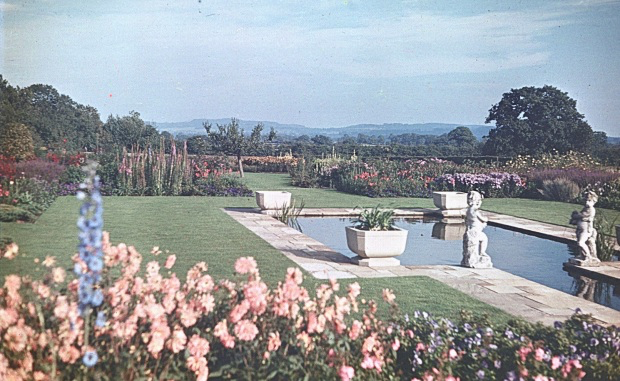
 Last week’s introductory post about Percy Cane –



 The Garden History Blog

You must be logged in to post a comment.