

Recognize this?
In the early 1960s a shy Devon clergyman was persuaded to send in some of his drawings and watercolours of British wild flowers to a publisher. They agreed to publish but could hardly have been expecting the public response to the book. It was an immediate best-seller and became a standard reference work almost overnight, and hardly out of print ever since. My own copy bought when I was still at school with Christmas or birthday present money is a bit battered but still much loved and used. The idea may have been simple, but the layout, classification and notes were impeccable, and the drawings themselves both accurate and delicately beautiful.
I’d guess most readers of a certain age in the UK will have known instantly from the image which book I’m talking about and the name of its author, who died 50 years ago this coming week, but if not read on to find out more…

 There is a long history of philanthropic and/or paternalistic industrialists providing recreational and garden space for their employers. We’ve all heard of Bourneville, Port Sunlight and Saltaire, while Helena Chance’s recent book

 One subject that always seems to raise a lot of interest on the courses I run about the history of gardens is the mediaeval garden. Although most of us will have a vague picture of what we think they were like, the quest for the reality of mediaeval gardens and green open spaces is tantalising.
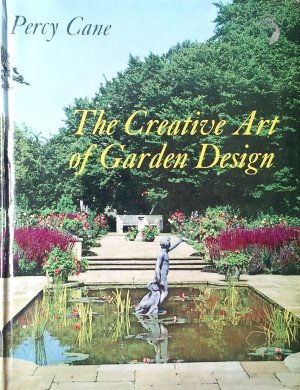 Last week’s introductory post about Percy Cane –


 The Garden History Blog
You must be logged in to post a comment.