


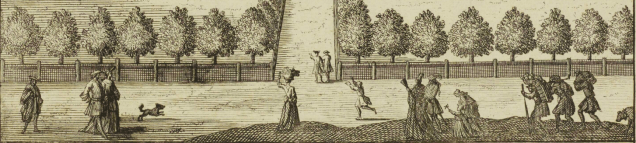
Last week’s post ended on a gloomy note and said worse was to come. And there couldn’t have been much worse than the Great Fire of London of 1666 which burnt 80% of the old walled city. In the aftermath Moorfields was quickly overrun. People set up shelters and tents, then wooden sheds and then shops until one of the walks became known as New Cheapside and was paved over. The rails and trees were used as firewood and there was even debate about whether to allow brick-makers to dig for clay “to incourage the more free and plentifull supply of Bricks for rebuilding”. It was nearly ten years before Moorfields were clear again and replanting and repair could begin.
After that although there was constant renewal of the walks it was against a background of threats of development and neglect, before, at the end of the 18thc, the builders eventually won the battle and most of Moorfields disappeared.

The booksellers of Moorfields using the rails of the walks as their counter, detail from an undated early 18th century print, private collection


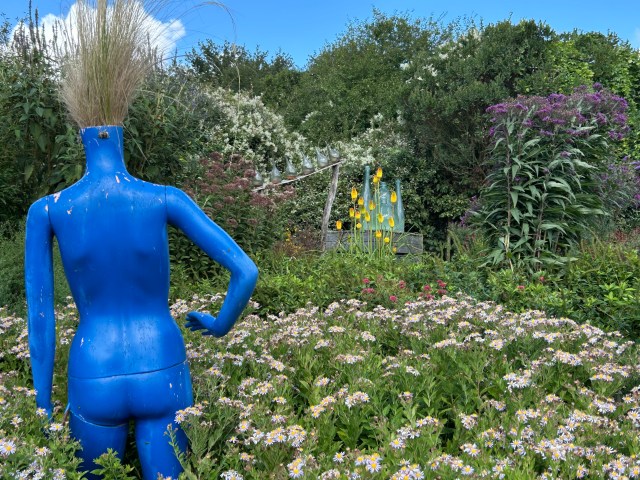
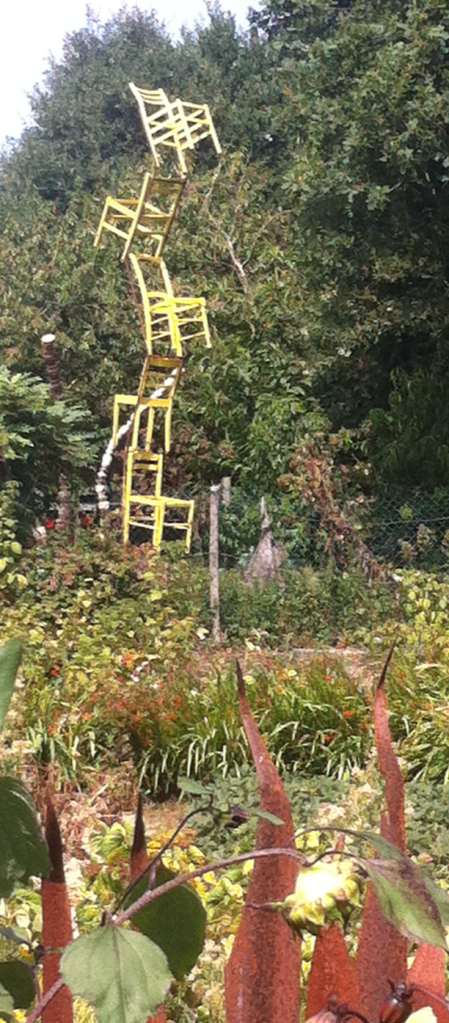 Art has always had a place in gardens. Historically statues, columns, obelisks, urns, murals and even gnomes have all been very popular additions but more recently there’s been a trend to create sculpture gardens of a different kind, exhibition spaces where the garden provides a setting for contemporary work often on a temporary basis.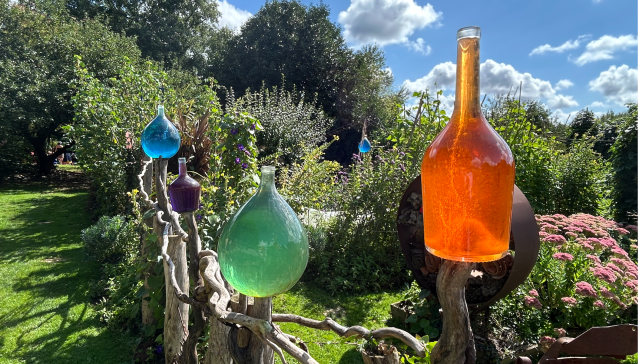




 The Garden History Blog

You must be logged in to post a comment.