

No I’m not talking about how you like boiled eggs [or even Brexit] but one of the great debates in the history of garden design which has been between the relative importance of the hard landscaping of architects and the soft landscaping of plantsmen. It came to a head in the later 19thc with the arguments in print between those, like William Robinson who thought that plants should be the dominant player, and those like Reginald Blomfield who claimed it was architecture that should be the prevailing force.
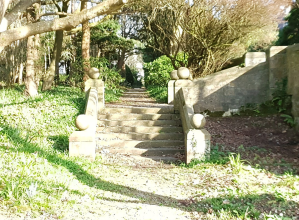
The Downes, Hayle
Blomfield was backed by another architect, nowadays often overlooked in this debate, whose book Garden-Craft Old and New I bought from the bookstall of Essex Gardens Trust when I went to speak to them a few months ago. This was John Dando Sedding, another bearded Victorian you probably won’t have heard of, so read on to discover more about him and how he launched “a little raft of bladders”.
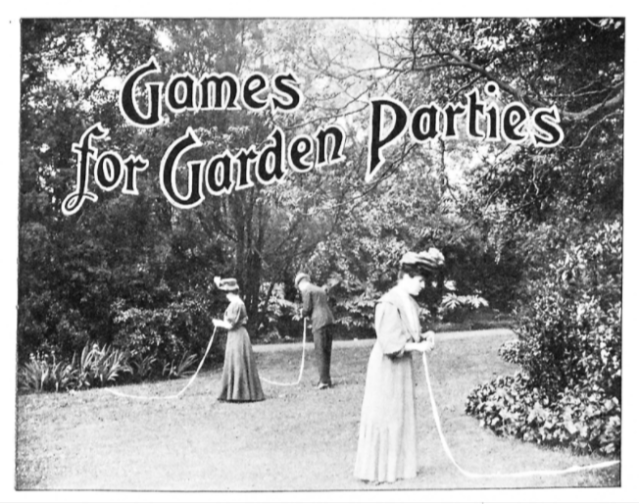
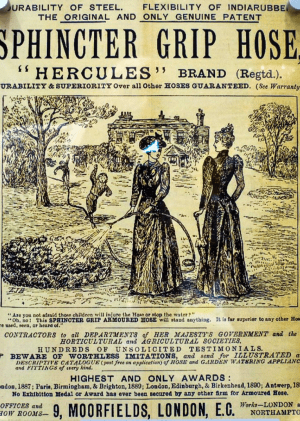 I was sitting in the garden a while back enjoying the weather and discussing politics with a group of family and friends when the subject of a piece in a well-known newspaper came up and my niece said to my mother: “Sorry, Nan, I don’t EVER want to read an article in the Daily M***, I rather read anything…anything …even a history of hosepipes” So to make sure she always has an alternative here it is!
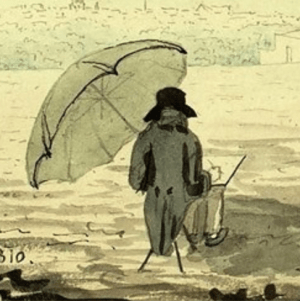
 Even though the job didn’t in the end materialise, Burchell was to remain there for 5 years and wrote up his extensive journeys in Travels in the Interior of Southern Africa, published in 1822-24, a readable and detailed account of his 4,500 miles of exploration and collecting. Apart from giving”a faithful picture of occurrences and observations… even to the minutest particular” on every aspect of life, it is illustrated with his lively sketches and watercolours.

 The first person to attempt an inventory of its natural history was William Burchell, a Londoner, who emigrated there in the early 19thc and tried to establish a botanic garden, before moving on to South Africa and becoming probably “the most prolific collector of botanical and zoological specimens” the world had then known.



 The Garden History Blog
You must be logged in to post a comment.