

“Pushing through the scrub, beautiful sprays of orchids forced themselves on your attention by brushing your face. The next few steps would have to be tunnelled through climbing fern, and then more orchids on trees with moisture continuously dripping off fringes of moss. Large clusters of a leguminous bloom like white acacia drooped from small trees. There were cream, pale lemon, and brilliant blue orchids, but the colours orange and scarlet predominated, flaming out of the green”
Who do you think wrote that ?
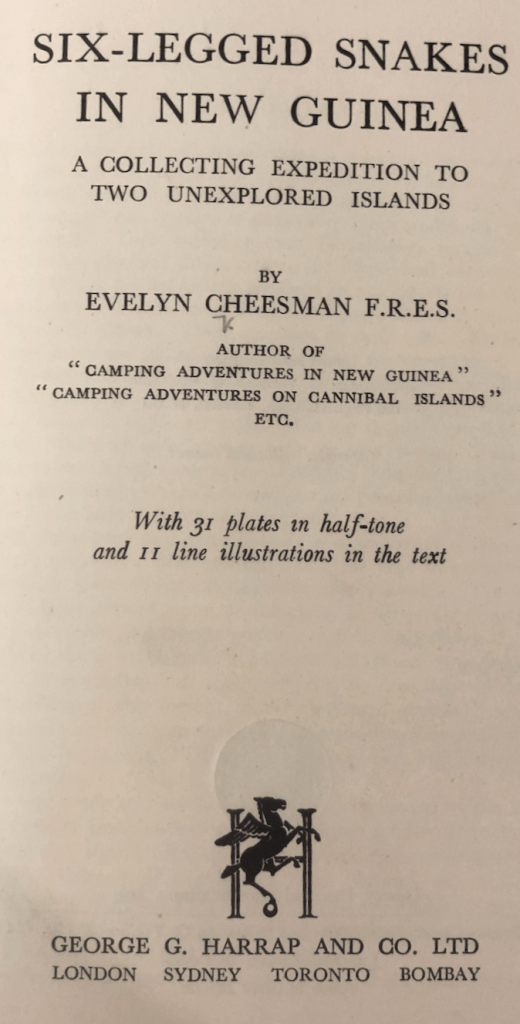 When I first read it I wondered if was an extract from the journal of an intrepid but rather romantic Victorian plant hunter. In fact it’s an extract from an admittedly Victorian-explorer-sounding book called Six-legged Snakes in New Guinea, and as you’ve probably gathered from the title of the post the author wasn’t quite the bearded pith-helmet wearing explorer that I’d imagined but instead was an extraordinary woman: Evelyn Cheesman.
Cheesman wasn’t primarily a plant hunter but that was an adjunct to her principal passion: entomolgy. Both interests led her to travel all over the world, notably the South Pacific where she went on eight one-woman expeditions, and in 1938 discovered a new blue orchid.

 A couple of weeks ago I led a small party of French visitors round some of the gardens of London, Kent and Sussex. One of those I chose was Hever Castle which I hadn’t visited since lockdown. We were all so impressed with what we saw that I’ve decided to update my much earlier post about it.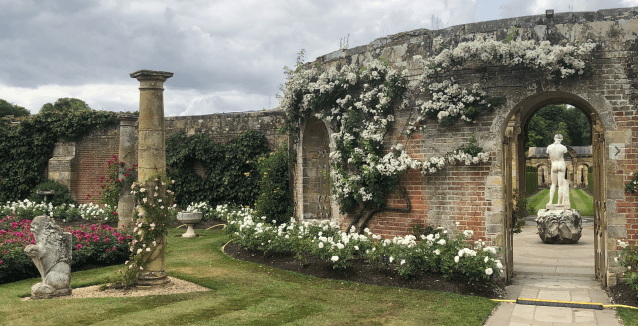


 The Garden History Blog
You must be logged in to post a comment.