
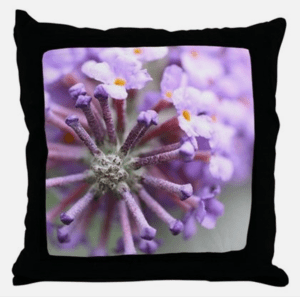
 An obscure 17thc botanist cleric is very prominent in many gardens at the moment because of a plant, that as so often in the weird and wonderful ways of botanical names, he never saw, didn’t even know existed and had absolutely no connection with in any shape or form. Yet his is one of the few botanists names that really are well-known. That’s because because the plant is also renowned as a colonising weed, which grows rapidly in the poorest ground, filling waste ground, lining railway embankments and even cracks in walls, roofs and gutters where its hard to imagine how anything survives let alone thrives. It has no predators to munch its leaves, but unlike the other invasive plants such as Japanese knotweed or Himalayan balsam, that this description applies to, it instead attracts butterflies and insects and fills the air with a wonderful honey-like fragrance.
The Guardian in an editorial called this plant “the ragamuffin of the natural world” saying “It is common as muck and as easy as dandelions to grow” ….

from BBC Nature
 What’s the best known – and certainly most instantly recognizable – garden building in Britain?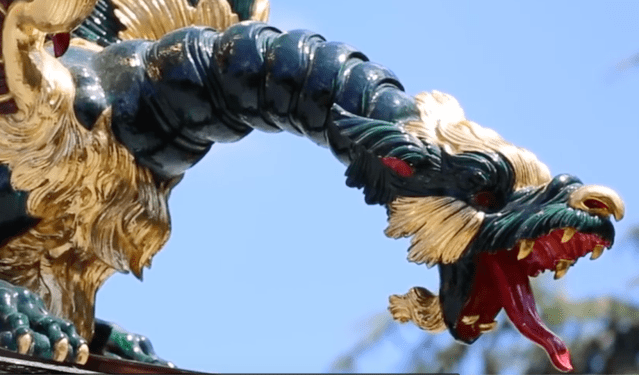

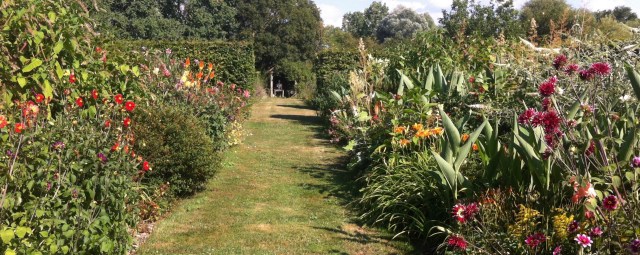
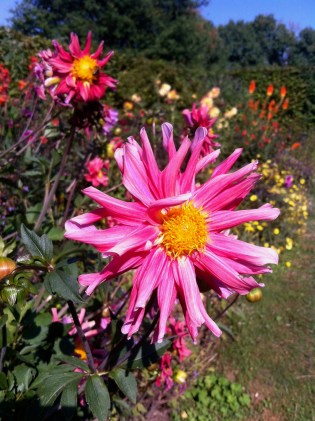 My garden boasts a Vulgar Border…not full of plants that swear but of brightly coloured one – clashing pinks, oranges, purples and yellow which almost make your eyes water. And chief amongst them are dahlias. Dozens and dozens of them. So as it’s in full technicolour flood at the moment I thought I’d write about the history of dahlias. A straightforward task you might think, and so did I when I started. I thought the most difficult thing to do would be to keep personal feelings [prejudices?] about them under control. But I was wrong.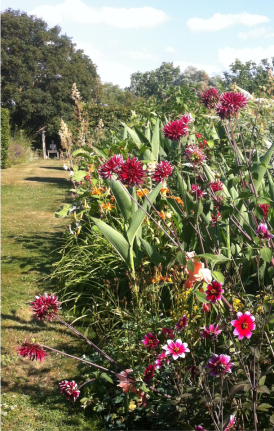




 The Garden History Blog
You must be logged in to post a comment.