
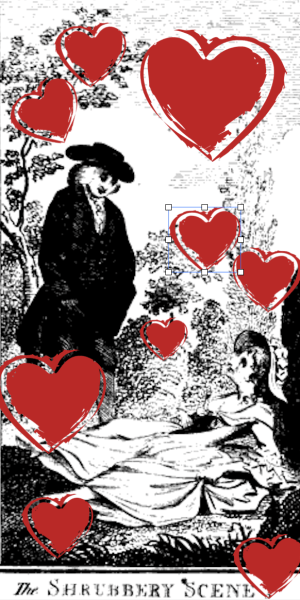
The Shrubbery Scene, from the Trial of the Rev. James Altham, 1785
 This post started out life months and months ago as a draft piece on eroticism in the garden generally. I’d found some great images and references and was looking forward to surprising you, my readers, with a little naughtiness….surely not on a Parks and Gardens blog!
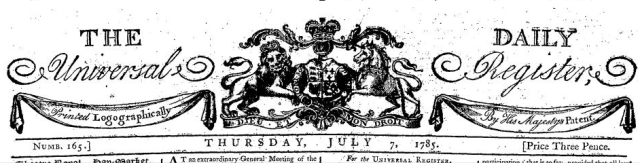
I began compiling a list of snippets, references and images to include, and then thought I’d discovered two unknown women garden designers when I read a paragraph in a 18thc newspaper which said that “Lady Foley and Mrs Arabin have kindly undertaken to plan the intended shrubbery behind Gower Street – can anyone doubt their capability, who reflects with what art they displayed the beauties of nature in their own gardens.” [Daily Universal Register, 2 Sep 1785] although that turned out not to be quite the case.
As one thing led to another I realised there was far too much for a single post, and that there was a good concentration of stories from one particular period, SO here are some tales about what went on in the Shrubbery… and probably elsewhere too … in the late 18thc.
BUT what has all this got to do with this year’s hero Humphry Repton? Read on to find out



 I had the opportunity to revisit a few days ago, and turned up 20 minutes after the gardens opened on a Monday morning in mid-February to find the car park almost full. By mid-morning the FULL sign went up.
  There was a temporary loo block in the entrance area, the small cafes had queues and the circular parkland walk is hard-surfaced in most places and at times was a bit like a busy High Street in the sales. So what’s Saltram got to offer that attracts so many people?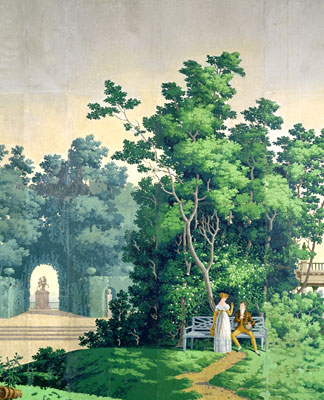


 No – it’s not south-east Asia but south-west Dorset! Abbotsbury, a garden founded by the Strangways family in the late 18thc, was my first point of call recently on an out of season tour of some gardens in the south-west.
 In 1863 Henry Fox Talbot, the inventor of photography, must have been rather surprised by the contents of a letter he had just received from his uncle, William Fox Strangways, the 4th earl of Ilchester. The two corresponded regularly and often about gardens but this time Uncle William was complaining about his elderly gardener not just chopping bulbs in two & trying to stick them together again but asking what he should do about “amorous polygamy”. This was surely scarcely a subject fit for the pen of a Victorian gentleman so no wonder William said it had “left indelible impression in my memory.”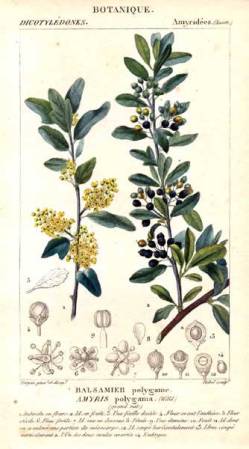
 Actually its nothing as potentially scandalous as one might think. Uncle William’s gardener was rather confused and asking what he should do with Amyris polygama, more commonly known as the Chilean pepper tree, one of the rarer plants in the garden. So sorry if you’d read this far expecting a bit of salacious gossip but read on to find out more about this amazing sub-tropical garden and its origins.


 The Garden History Blog
You must be logged in to post a comment.