
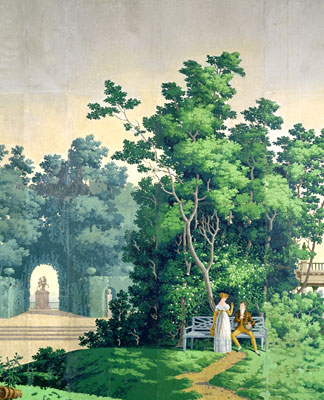
detail from Les Jardins Francais, 1821 by Zuber
This is a very belated follow-up to a post about gardens on walls in 18thc England in 2016 which looked at the work of John Baptist Jackson and his contemporaries. And by “gardens on the wall” I don’t mean “living walls” but wallpaper.
England and France were rivals over many things in the 18thc. Indeed they were at war for large parts of it. Apart from seizing large chunks of the French overseas empire England also took over the role of the world’s leader in gardening, but there is no doubt that the French took the lead in developing gardens on walls. When, in 1753, the French ambassador in London sent back some English wallpaper to decorate his home in France he started a design revolution nearly 40 years before the more famous one.

detail from Les Jardins Francais, 1821 by Zuber
When that started in 1789 it began more than 20 years of continuous warfare across Europe. This cut Britain off from a lot of continental cultural influences. In France it invigorated design and fashion with bold, clear and simple taking the place of elaborate, ornate and luxurious. Wallpaper, bizarrely, was one of the best showcases for these dramatic changes in styles. It not only became political propaganda but in the process all manner of gardens and landscapes took to the walls of both public and private spaces in a completely different way to that we saw in 18thc England.

by Jacquemart et Bénard , Paris c. 1794/1797, Musee des Arts Decoratifs, Paris
So read on to find out more… Continue reading
 No – it’s not south-east Asia but south-west Dorset! Abbotsbury, a garden founded by the Strangways family in the late 18thc, was my first point of call recently on an out of season tour of some gardens in the south-west.
 In 1863 Henry Fox Talbot, the inventor of photography, must have been rather surprised by the contents of a letter he had just received from his uncle, William Fox Strangways, the 4th earl of Ilchester. The two corresponded regularly and often about gardens but this time Uncle William was complaining about his elderly gardener not just chopping bulbs in two & trying to stick them together again but asking what he should do about “amorous polygamy”. This was surely scarcely a subject fit for the pen of a Victorian gentleman so no wonder William said it had “left indelible impression in my memory.”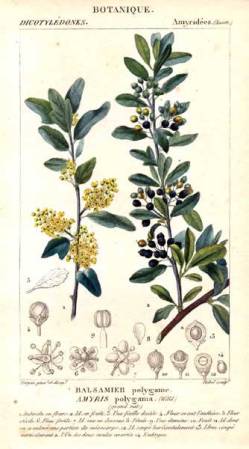
 Actually its nothing as potentially scandalous as one might think. Uncle William’s gardener was rather confused and asking what he should do with Amyris polygama, more commonly known as the Chilean pepper tree, one of the rarer plants in the garden. So sorry if you’d read this far expecting a bit of salacious gossip but read on to find out more about this amazing sub-tropical garden and its origins.
 These Red Books contained a lengthy handwritten analysis and description of the site, together with his proposed improvements, beautifully illustrated with his own watercolour sketches and were, apart from a few given as gifts in the early days, sold to his potential clients.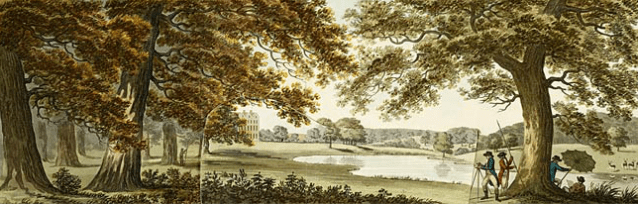

 A very private man, but who travelled widely in Europe and met and was befriended by Monet, he eventually gave up teaching and moved to Guernsey to paint landscapes, gardens and the flowers which he grew and bred in his nursery there: above all botanical paintings of his beloved iris. Despite his horticultural achievements he and his work were soon forgotten, and have really only been bought back to their deserved place in the pantheon in the last 20 or so years.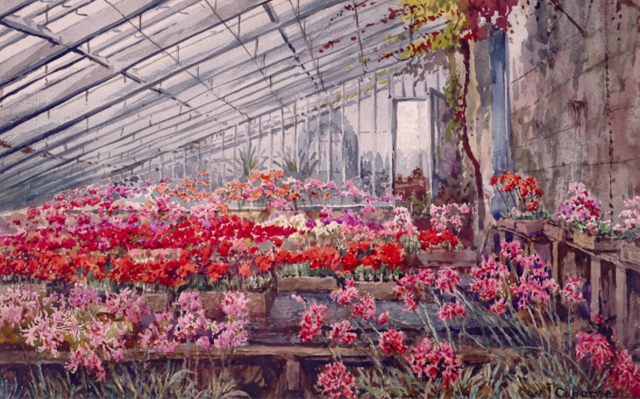


 The Garden History Blog
You must be logged in to post a comment.