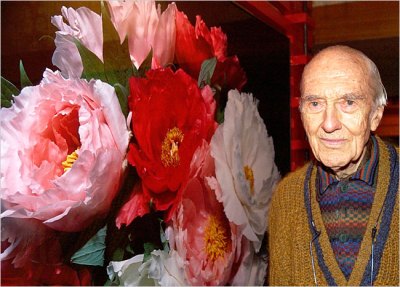
Sir Peter Smithers, in 2003. Credit Karl Mathis/Keystone, via Associated Press
Sir Peter Smithers [1913-2006] was an intelligence officer, a Tory politician, diplomat and above all a great gardener.
“I regard gardening and planting as the other half of life, a counterpoint to the rough and tumble of politics,” he wrote.
During his lifetime he laid out several gardens, notably Colebrook House in Winchester in the 1950s and 60s, and then from 1970 onwards Vico Morcote in Switzerland. He was also responsible for much of the tree planting in the cathedral close at Winchester. Photography was another lifelong passion and after his retirement he became an extremely successful as, in his own words, “a floral pornographer”.
All the quotes come from his memoirs unless otherwise credited. So read on more to find out more about this unsung, generous and outstanding horticulturist.
 Sometimes you visit a historic house or garden and think to yourself…. I could live here. Sometimes you have second thoughts and add …if only it wasn’t so remote or inhospitable a setting. That was certainly my reactions on visiting Hulne Priory in Northumberland. It was a bright summer’s day and the site was glorious but it was pretty obvious that would be bleak and windswept in the midst of a Northumbrian winter. That would have suited its founders down to the ground becasue they were Carmelite Friars who deliberately sought out isolated locations for their communities. Now, along with the rest of Hulne Park, it is part of the Duke of Northumberland’s Alnwick estate and still used by the Duke as a base for shooting, and inevitably as a wedding venue!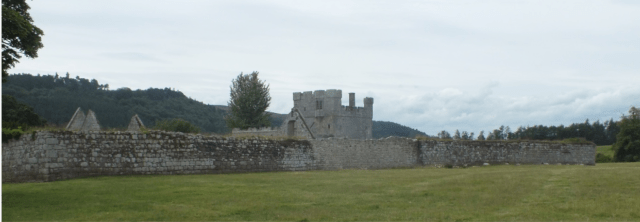
 Gertrude Jekyll and Edwin Lutyens are one of the great combos of design history. Their names automically trip off the tongue in the same breath, and they created a whole series of magificant houses and gardens all across the Britain. Yet they made just one joint foray working together on a house and garden abroad.






 The Garden History Blog
You must be logged in to post a comment.