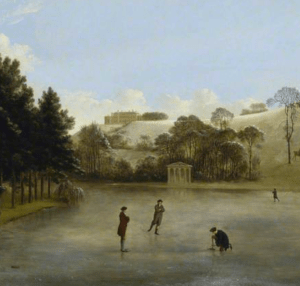
deatil from Upton House from the South by Arthur Devis, Photo credit: National Trust,
Upton is a surprise: let me correct that, Upton is a series of surprises. I happened to be passing reasonably close by and was looking for somewhere to break the journey. So I checked the flash new National Trust website to see what the gardens (and the tearoom) had to offer. I discovered that Upton had been the country house of the Samuel family, and that in 1939 they moved themselves out and moved their family bank and its staff from London in. The house is currently transformed back to the 1940s so that you can see how the staff lived and worked for the duration of the war. It’s a great idea and quite rightly has won awards.
A little more digging on the website and I discovered that Walter Samuel, 2nd Viscount Bearsted, whose father had founded Shell, and his wife Dorothea Micholls, were not only immensely wealthy, but great philanthropists and perceptive and discerning art collectors. The house is effectively a mini National Gallery with the extraordinary range of internationally important pictures that they collected. Upton should be on every art lovers itinerary. But what has it to offer to a garden enthusiast?
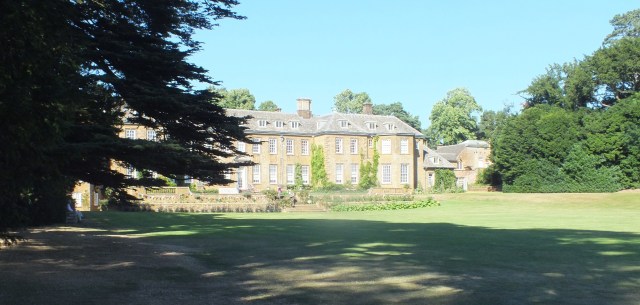
The Garden Front of Upton House
David Marsh, August 2016
Well, apart from one short piece about Kitty Lloyd-Jones [of whom more in next weeks post] the National Trust website contained nothing obvious relating to the gardens, and certainly nothing to make you want to visit, so I wasn’t expecting anything other than a bog standard lawn and a few run of the mill borders, tacked-on to prettify the setting of the art collection. So read on to find out why I’m bothering to write, and write enthusiastically, about what I originally supposed would be a nondescript sort of place… Continue reading →





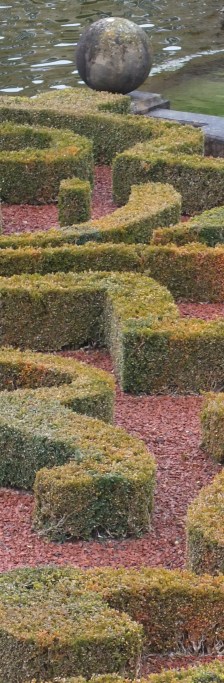 A drizzly overcast day in mid-November might not be the ideal time to see the gardens at Blenheim but I was taking advantage of an offer of free entry to the gardens and park via my RHS membership, so a drizzly overcast day in mid-November it was! As the coachloads of Japanese tourists set off to tour the palace we pulled up our coat collars and set off. A few minutes later we stopped in amazement as we walked through a passageway from the entrance court and emerged on the edge of the water gardens designed by Achille Duchêne for the 9th Duke of Marlborough between 1925 and 1931.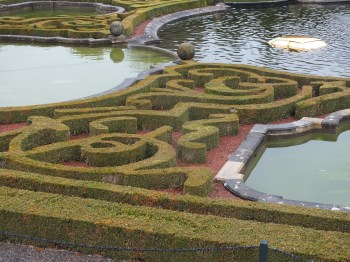


 The Garden History Blog
You must be logged in to post a comment.