Artificial Stone 1: the projector, the architect, the thief and the formula

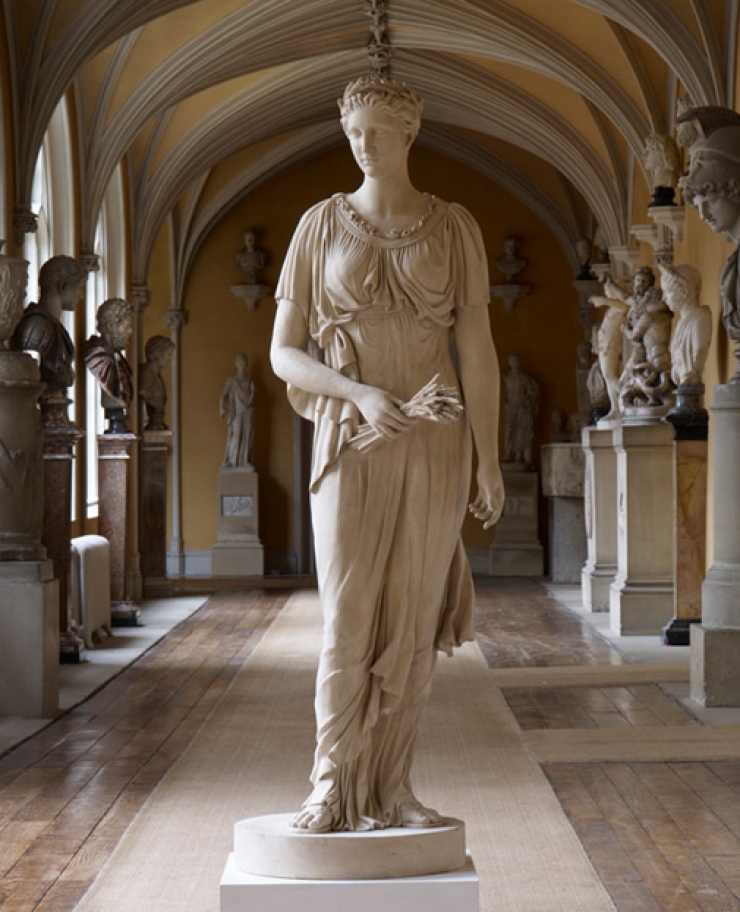
Artificial stone has apparently been around a long time. It wasn’t invented recently  by  jerry builders trying to copy the real thing on the cheap, or even by a prestigious company like Haddonstone, but probably by the Romans. However  not being a scientist or an engineer I hadn’t realised that something so seemingly simple a concept as artificial stone could be so complicated!

Most people connected with gardens and garden history will have heard of Coade Stone, the 18thc marvel that has proved more durable than real stone but there’s a whole lot more. So this is the first of a few posts as an attempt to tell the story of artificial stone and its use in gardens …

Continue reading

Posted in Uncategorized | Tagged , , , , , , , | Leave a comment

Marks Hall

David Marsh, Oct 2015

David Marsh, Oct 2015

Normally I have a stack of posts waiting to be published, and if I think of a new idea it just joins the end of the queue. Today’s is an exception.

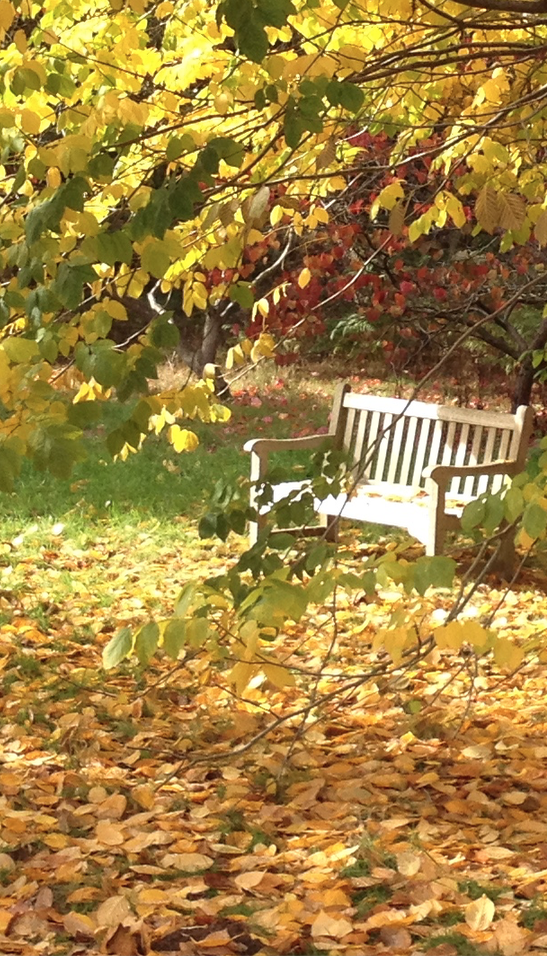
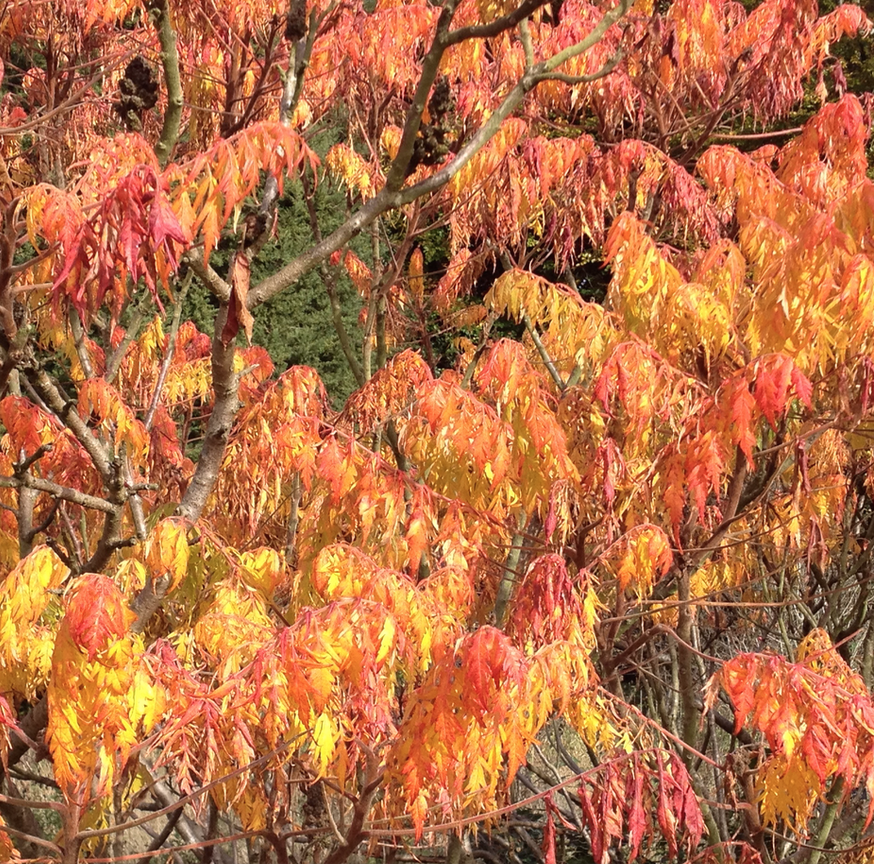
I visited Marks Hall in Essex this week and decided there and then that it had to take immediate priority in the hope that it will encourage you to visit to see the amazing autumn colours before the weather changes and the rest of the leaves fall!

Rhus typhinus, David Marsh Oct 2015

Rhus typhinus,
David Marsh Oct 2015

Read on to find out the story behind  this wonderful arboretum and walled garden set in the historic landscape of a now-demolished Jacobean mansion.

Continue reading

Posted in Uncategorized | Tagged | 1 Comment

Henry Lyte & Lytes Cary

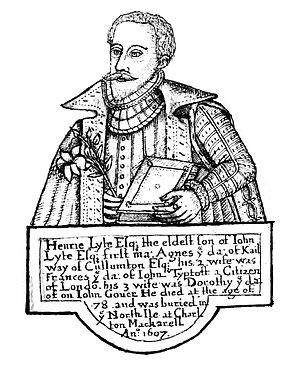
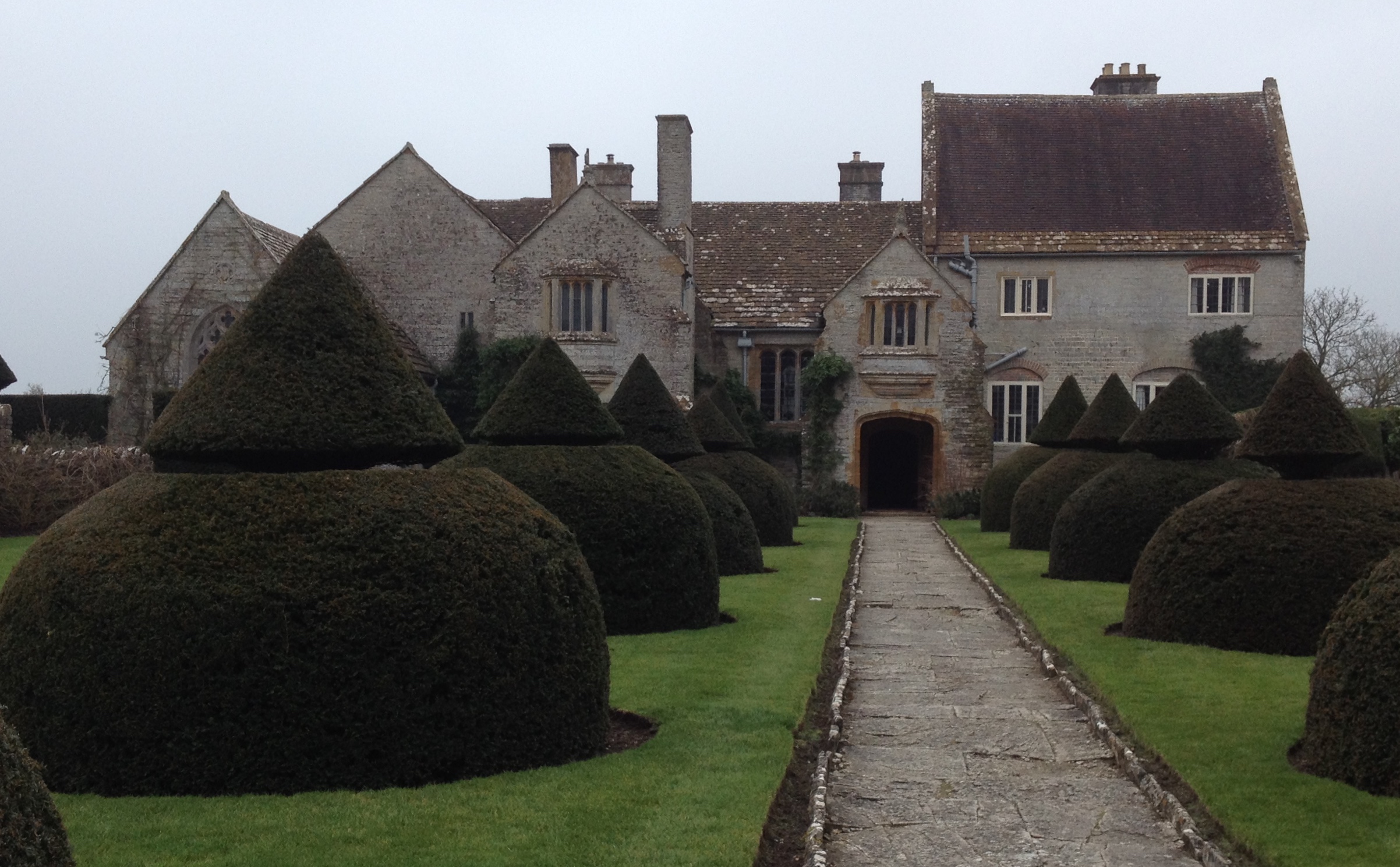
Have you heard of Henry Lyte?   Don’t yawn when I tell you that his main claim to fame is that  he published A Niewe Herball in 1578 which was his own meticulous translation of Rembert Dodoens Cruydeboeck of 1554, by way of its French version, Clusius’s Histoire des Plantes of 1557.  Probably not top of your bedside reading pile even if it was groundbreaking for its day and you are a garden historian…. BUT… even if you’re not wildly excited by the prospect of reading his book, you can visit his house at Lytes Cary in Somerset which is an unexpectedly atmospheric  gem of a house…  and you can read an excellent recent novel about him and the garden he created there.

..and of course you can read the rest of this post!

Lytes Cary David Marsh, March 2015

Lytes Cary
David Marsh, March 2015.

Continue reading

Posted in Uncategorized | Tagged , | 1 Comment

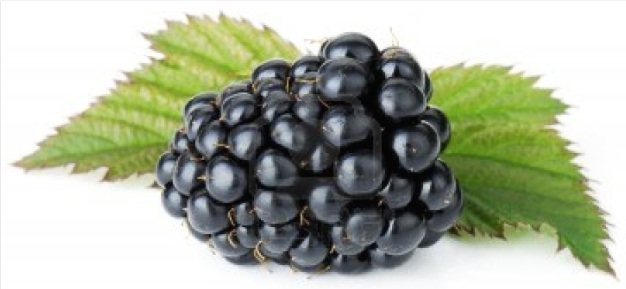
Blackberries…

When asked what is a “blackberry”, apparently 82% of people aged 16-24 instantly imagined a mobile phone rather than a fruit, according to a 2013 survey for YouGov. They don’t know what they’re missing!

This glorious late summer weather [OK… this was written last week!] means that there’s still time to gather wild blackberries from the hedgerow, the fruit being the one upside of an otherwise aggressive colonising  thug of a plant.
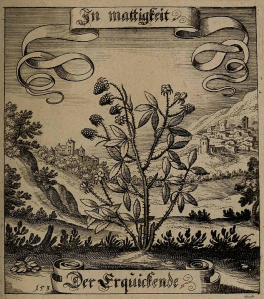
Rubus Merian, M., Der Fruchtbringenden Gesellschaft, t. 153 (1646)

Rubus
from Der Fruchtbringenden Gesellschaft, t. 153 (1646)

Mind you that’s running counter to folklore which says that October 10th the former Michaelmas Day [ie before the change from Julian to Gregorian calendars] should be the last day to pick blackberries because that was the day that Lucifer was expelled from Heaven. He is said to have landed on a blackberry bush, and unsurprisingly roundly cursed it. In other versions of the legend, he spat or even urinated on it!  Of course like so many myths it has an underlying scientific basis: blackberries contain a high concentration of tannins which accumulate in the fruit over the season making later picked berries prone to bitterness, and of course the weather is also likely to be much wetter so the berries contain more fungus spores and are more liable to rot.  For more on the story listen to this clip:

http://www.bbc.co.uk/programmes/p032hzkr

screenshotBlackberries have a long history of being eaten by humans, but a  surprisingly short history in cultivation.  Read on to find out more of  the story behind the one of our favourite soft fruits.

Continue reading

Posted in Uncategorized | Leave a comment

Joseph Knight & his Exotic Nursery

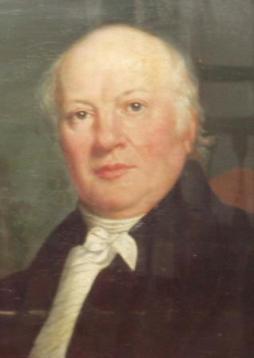
We tend to think of gardeners being poor – unless of course they’re celebs on the box – and it’s hard to think of many gardeners in history who became rich.  But there are exceptions and one such was Joseph Knight who had a nursery in Chelsea for nearly half of the 19thc. He sponsored plant hunting expeditions, built a large Italianate mansion for his retirement, and paid for the construction of several churches, schools and almshouses. And he was a good salesman as well as a good gardener…and amazingly for a Victorian  he didn’t have a big bushy beard!

from the title page of The Magazine of Exotic Botany, vol.2, 1838

from the title page of The Floral Cabinet and Magazine of Exotic Botany, vol.2, 1838

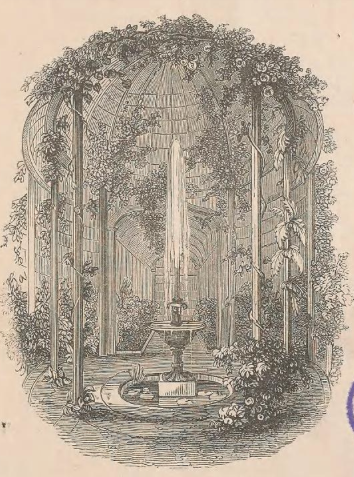
His showroom must have been spectacular: “The effect on entering is excellent; the termination of the telescopic vista being the bronze vase with its jet d’eau backed by two splendid plants of striped camellia covered with bloom, through which appears enough of light to give the idea of continuation. The bronze vase which is 6 ft in diameter and weighs several tons, is painted blue on the inside, and has a very cheerful and elegant appearance.” So said John Claudius Loudon on visiting in 1831.

So who was Joseph Knight? And why has he been forgotten?  Read on to find out…
Continue reading

Posted in Uncategorized | Tagged , , , , , , | 1 Comment