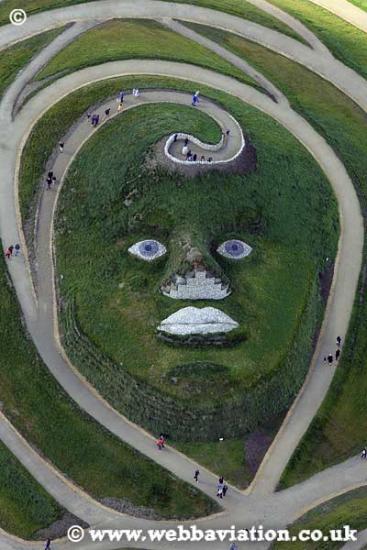
Northumberlandia

The facts and figures about Northumberlandia are endless.  It  is ‘a unique piece of public art’ … ‘set in a 46 acre  park with free public access and 4 miles of footpaths’ on and around the Lady of the North, ‘a stunning human landform sculpture’ of a reclining woman.  It took 7  years to plan and 2 more  to construct, involving over 10,000 man hours. The Lady is apparently  ‘the largest landscape replica of the human body ever seen in the world’…indeed the ‘largest ever piece of landform art’. Rising up to 112 ft (34m) above the surrounding land and  1,300ft (400m) long, she is made up of 1.5 million tonnes of rock, clay and soil.  The lakes on the site cover the same area as 10 Olympic-sized swimming pools.The Lady is expected to attract 200,000 visitors a year….etc etc etc.  As I said the facts and figures are endless.
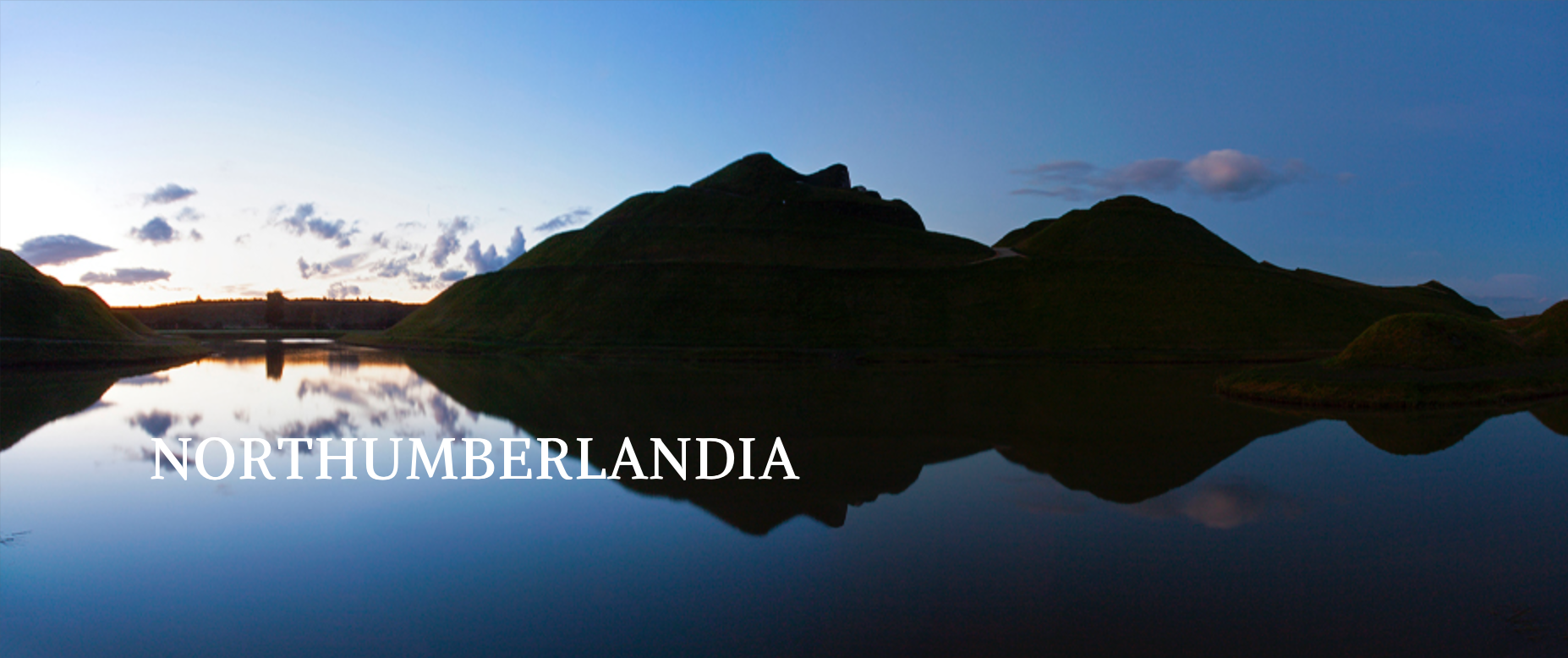
There are two ways of finding out what Northumberlandia is really like. But unless you’re planning a trip to Northumberland to experience it first hand- and btw that is definitely worth it – you’re just left with just one option  – reading about it and looking at the huge range of photos and videos of it online…

so why not start doing that here?

Continue reading

Posted in Uncategorized | Tagged , | Leave a comment

Aunt T & her Pot Pourri…

 Mrs C.W.Earle [Maria Theresa Villiers] from Memoirs and Memories ???

Mrs C.W.Earle [Maria Theresa Villiers] from Memoirs and Memories

She may look a bit like Lady Bracknell or Charlie’s Aunt but she wasn’t really  like that in real life.  Maria Theresa  Villiers may have been born with a silver spoon in her mouth but she seems to have been happier settling for a silver plate version, and to her many friends and family she was just Aunt T.  Born into an aristocratic family she  turned down the chance to become a maid of honour to Queen Victoria and instead opted to become an artist.
Later, however, she settled into a superficially conventional life when she married Charles Earle, an Indian army officer turned business man and became a good ‘poor man’s’ wife looking after her family and gardening on “a small piece of flat ground surrounding an ordinary suburban house.”  A friend of William Robinson and Gertrude Jekyll, at the age of 60, despite her husband’s opposition, she began to write  about her garden in what was to become probably the most popular series of gardening books of the Edwardian era.
Read on to discover more about her writing but also how she retained her radical streak  and became a supporter of the suffragettes, and a militant vegetarian.
Posted in Uncategorized | Tagged , , , , , , | Leave a comment

That’s the wonder of Woolies….

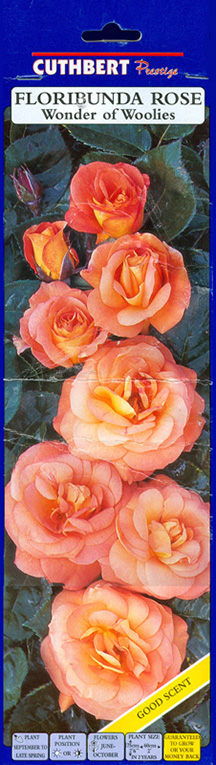
blm-WonderOfWW-RoseI’m taking a quick holiday from writing and instead, today’s post is largely based, with his permission, on some webpages originally written by Paul Seaton who runs a website about the history of Woolworths, called

http://www.woolworthsmuseum.co.uk.

WW-MuseumLogoAll the photos unless otherwise acknowledged come from his archive. So  if you’re feeling nostalgic  or interested in any other aspect of Woolworths and their history then go and take a look at Paul’s website and cheer yourself up!

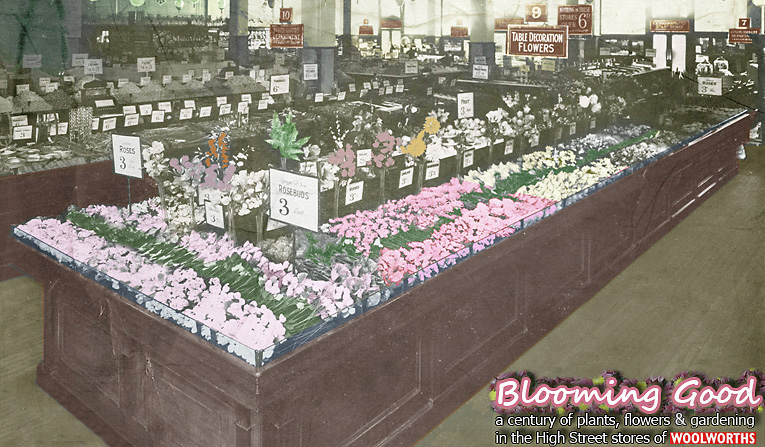
I found the website when researching my earlier post about Harry Wheatcroft the rose grower [see 4th July 2015] because Woolworths were his biggest single outlet. But it was not just roses they sold. It turns out that in their heyday Woolworths were probably the biggest horticultural supplier in the country. The High Street store chain sold flower bulbs, shrubs, plants and seeds for almost a hundred years and  even today, if you see a daffodil or tulip in bloom anywhere in the UK, there’s still a one in three chance that the bulb originally came from Woolworths!

Read on to find out more about Britain’s love affair with Frank Winfield Woolworth and his stores….and especially their gardening departments.

hg-bloominggood

Continue reading

Posted in Uncategorized | Tagged , , | 1 Comment

Moving the ‘bastard’ orange trees …

Jacob van Hulsdonck Still Life with Lemons, Oranges and a Pomegranate c1620 - 1640, Getty Museum

Jacob van Hulsdonck Still Life with Lemons, Oranges and a Pomegranate
c1620 – 1640, Getty Museum

And no I’m not being rude just for the sake of it! As I said in a recent post I’ve been doing some research over the past few years into the gardening interests of the Hatton family  who were prominent royalists and had extensive estates in Northamptonshire particularly around Kirby Hall.

By the end of the 17th century the gardens there were amongst the most impressive in the country, largely because of the partnership between the first Viscount Hatton and his younger brother Charles who acted as his   agent in London, supplying seeds, plants  and gardening supplies of all kinds, as well as almost everything else that a country house and its family might require.

This is just one story that I’ve uncovered in their extensive correspondence and tells how some unusual citrus trees  arrived at Kirby.  Although that might sound a bit dull, let Charles tell the story which begins in 1680… and discover the constraints under which 17th gardeners worked and how enterprising and resourceful they had to be to overcome them.

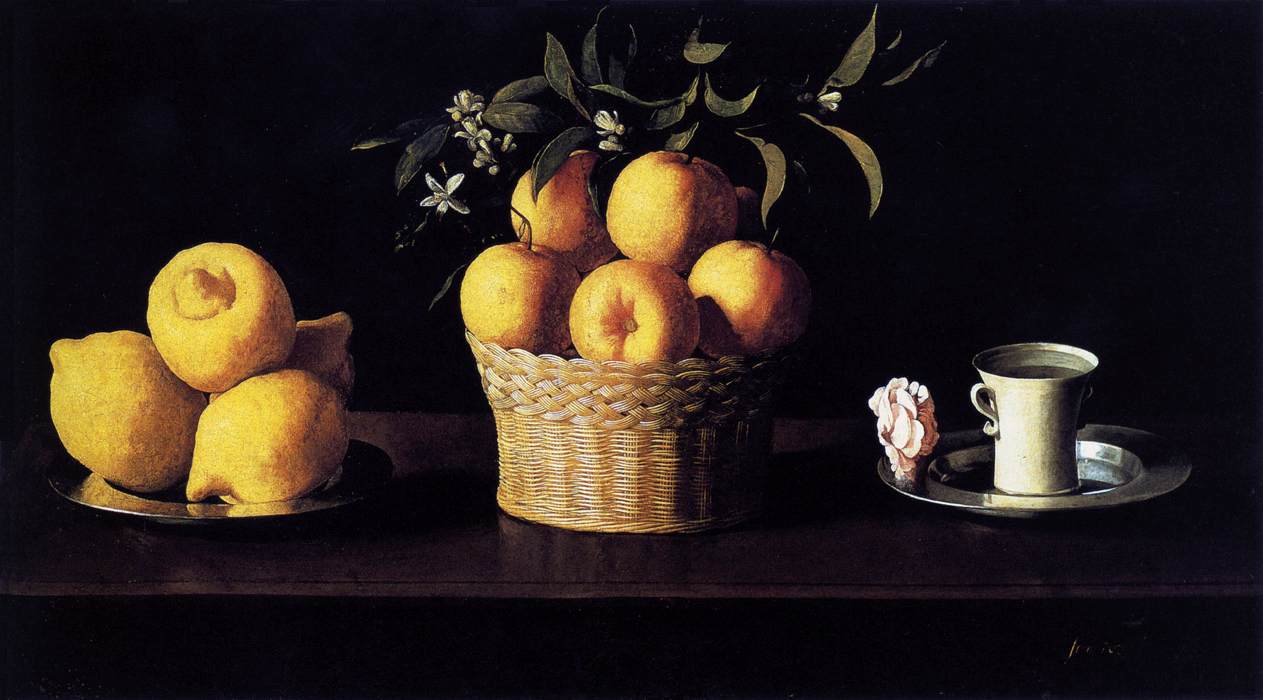
Still-life with Lemons, Oranges and Rose: Francisco de Zurbarán 1633, (Norton Simon Museum of Art, Pasadena)

Still-life with Lemons, Oranges and Rose: Francisco de Zurbarán 1633, (Norton Simon Museum of Art, Pasadena)

Continue reading

Posted in Uncategorized | Tagged , , , , | 1 Comment

Guano…

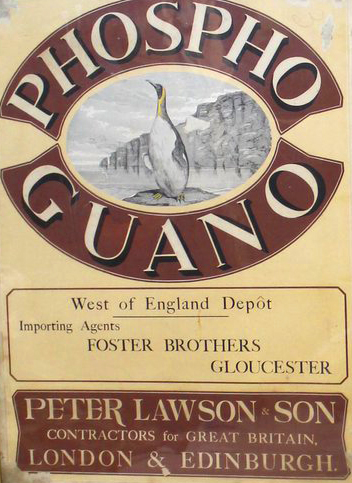
Guano advert, Gloucester 1860 http://bbprivateer.ca/?q=panther

Guano advert, Gloucester 1860
http://bbprivateer.ca/?q=panther

It’s hard to imagine the British Government getting excited about bird droppings. But in mid-19thc Britain it certainly did.  Of course ministers didn’t sit around discussing anything quite so vulgar as  bird poo but they did spend time talking seriously about  ways of increasing agricultural and horticultural production, and one of these was guano.  Guano was even considered important enough  to send the Royal Navy on probably its least exotic mission of all time – a hunt for new places where large quantities of avian dung  could be found, collected and exported to Britain to fertilize fields and market gardens.

Nightsoil, the subject of my last post, was still being used extensively for fertilizer in the garden and on farms in the early decades of the 19thc but campaigns to improve the water supply and public health,  the installation of new drainage and sewage systems, the invention of ‘artificial fertilizers and above all access to vast quantities of guano ended its pre-eminence and caused its use to decline rapidly.

From left to right: Peruvian Pelican, Guanay Cormorant, White-Breasted Cormorant, Peruvian Booby (Image courtesy of Jeff Lawrence) http://www.peruthisweek.com/

From left to right: Peruvian Pelican, Guanay Cormorant, White-Breasted Cormorant, Peruvian Booby (Image courtesy of Jeff Lawrence)
http://www.peruthisweek.com/

Read on to discover more about the Navy’s poo-hunting expeditions and how these massive imports of guano began to transform British agriculture and horticulture and made fortunes in the process… Continue reading

Posted in Uncategorized | Tagged , | Leave a comment