Dead Dogs….

Boatswain by Clifton Tomson (1808) Nottingham City Museum and Galleries

Boatswain by Clifton Tomson (1808)
Nottingham City Museum and Galleries

Hows that for a cheery topic?   It’s the 200th anniversary next week of the death of a dog. Admittedly not just any old dog but one called Boatswain, a much-loved Newfoundland dog  that belonged to Lord Byron. So besotted was the poet that he commissioned a large monument in the hound’s memory for the gardens of Newstead Abbey.   This act obviously struck a chord in the British psyche because  the reason I know about the anniversary is an article about the Northern Newfoundland Club holding a celebration  at Newstead Abbey laying a posy of flowers as “a fitting tribute to one of the most famous Newfies in our history.”

The Boastwain Monumnet, Newsted image courtesy of William Bishop

The Boatswain Monument, Newstead Abbey
image courtesy of William Bishop

I suppose I’m not surprised. Already this year I’ve mentioned the tomb of Mrs Soane’s dog Fanny, in the courtyard of the Soane Museum, and more recently  the dog’s cemetery at Wrest Park,  but I’ve been amazed how many other monuments and tombstones for dogs  exist in our historic parks and gardens.  We’ve certainly come a long way from the days when dead dogs were thrown out with the rubbish onto the wasteland outside the town’s walls – the Houndsditch.  Some might think we’ve come too far in our animal commemoration of course,  but as Lucinda Lambton has shown with her wonderful books on animal-related architecture, remembering and honouring our pets is part of a  great British tradition and it’s still alive and well although its heyday seems to have been in the late 18th c and into the 19th. Continue reading

Posted in Uncategorized | Tagged , , , , , , | Leave a comment

Beatrice Parsons : Queen of the blazing border….

The Smell of Summer, 1901 Christies.com

The Smell of Summer, 1901
Christies.com

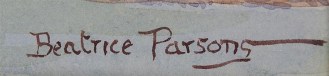
Go on admit it…you’ve never heard of Beatrice Parsons.  But believe it or not a century ago she was one of the leading garden painters in Britain, with many exhibitions to her credit, and her pictures collected by fashionable society, including 30 owned by Queen Mary. Nowadays we might think her work a bit chocolate-boxy, but underneath the sometimes almost unreal, brightly coloured flowers she captures the glory days of the Edwardian border but also the smaller more ordinary gardens of the suburban middle class.

3B5744ED-8893-43F4-AD5C-5386ACA9C400


The gardens at Abbotswood, Buxted, Sussex

The gardens at Abbotswood, Buxted, Sussex http://www.artscroll.ru

Continue reading

Posted in Uncategorized | Tagged , , | 2 Comments

More heraldic beasts…

As I said at the end of my last post sets of heraldic beasts became rarer in Elizabethan times, as imagery became much more focussed on the queen herself. however there was a revival of interest in the early 19th century, and again more recently, as you can see in a slightly funkier way!

This is not an attempt at a comprehensive survey of heraldic beasts in gardens but just a brief look at a few sites, and as always, I’d love to hear from anyone about other places where they exist or existed.

A stone lion at Sheriff Hutton Hall. Country Life Picture Library Published originally 15/09/1966

A stone lion at Sheriff Hutton Hall.
Country Life Picture Library Published originally 15/09/1966

But lets start with a 17thc example…and no – this is not a concrete lion from a Jacobean bad-taste garden centre – at least I don’t think it is.   I found references [using our database] to two new sets being created in the first half of the 17thc.  Both were at Sheriff Hutton in Yorkshire where Sir Arthur Ingram built ‘a very fair new Lodge … with a fair garden enclosed with a brick wall with mount walks and fair ornaments’.  He sent roses up from London with instructions to ‘set them at every corner of the knots and cut the privet into beasts ‘ (Ingram family papers quoted in Country Life,  1966). Maybe the privet didn’t take very well to being topiarised because in 1637 his son, Sir Thomas Ingram, employed Thomas Ventris, a sculptor of York, to carve twenty heraldic beasts in stone for the garden.

The garden front of Sheriff Hutton Hall. Country Life Picture Library, originally publihsed 08/09/1966

The garden front of Sheriff Hutton Hall.
Country Life Picture Library, originally publihsed 08/09/1966

Like so many other houses, Sheriff Hutton has undergone many changes, so although the lion in the photo, and its colleague on the other gatepost, may just possibly be survivors from Ingram’s set,  I suspect they are more likely to date from the early 19thc when the grounds were remodelled. If anyone has any further information please let me know.

http://www.parksandgardens.org/places-and-people/site/2960/summary

Continue reading

Posted in Uncategorized | Tagged , , , , , , , , , , | Leave a comment

The Beasts of Bexley…

The Dacre Dolphin c1507-25, repainted 1844 V&A

The Dacre Dolphin
c.1507-25, repainted 1844
V&A

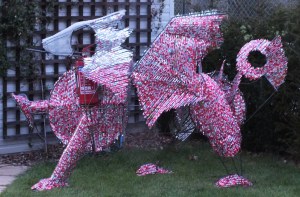
Would you expect to find a large red dragon in a garden in Bexley? Or a griffin lurking behind a hedge at a castle near Cardiff?  To say nothing of  a dolphin on a staircase in Kensington or an English leopard in a French camping site? Probably not: but then again, perhaps you’re not an aficionado of Tudor garden ornaments and especially Tudor heraldic beasts.

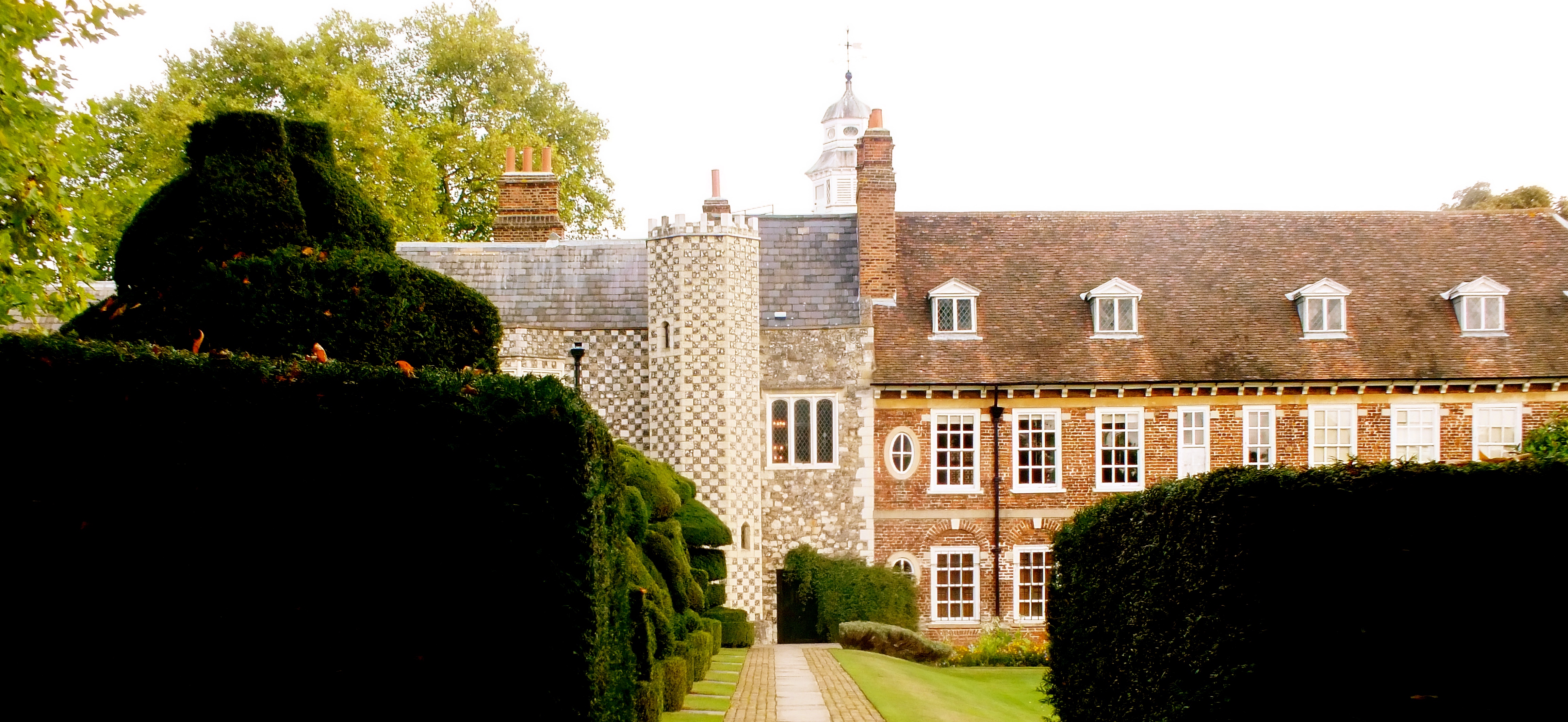
Having decided to write a post about them I made a mental list of the ones that I knew about – Hampton Court, Kew and the V&A but then I began to run out of steam, so I did what we all do and “googled”.  And got a bit of a shock, because I found photos of a set of royal beasts at Hall Place in Bexley in south-east London.  I’ve lived in London for 35 years but there are still parts of it I have never even visited and being a north Londoner my knowledge of south of the river is limited. All I knew  of Bexley, for example,  was what I could see from the main road down to the Channel Tunnel but I’ve been missing out as I discovered when I went to see the beasts for myself.

© David Marsh 2014

Hall Place, Bexley© David Marsh 2014


Continue reading

Posted in Uncategorized | Tagged , , , , , , | 2 Comments

Eternal Wrest…

© David Marsh 2014

© David Marsh 2014

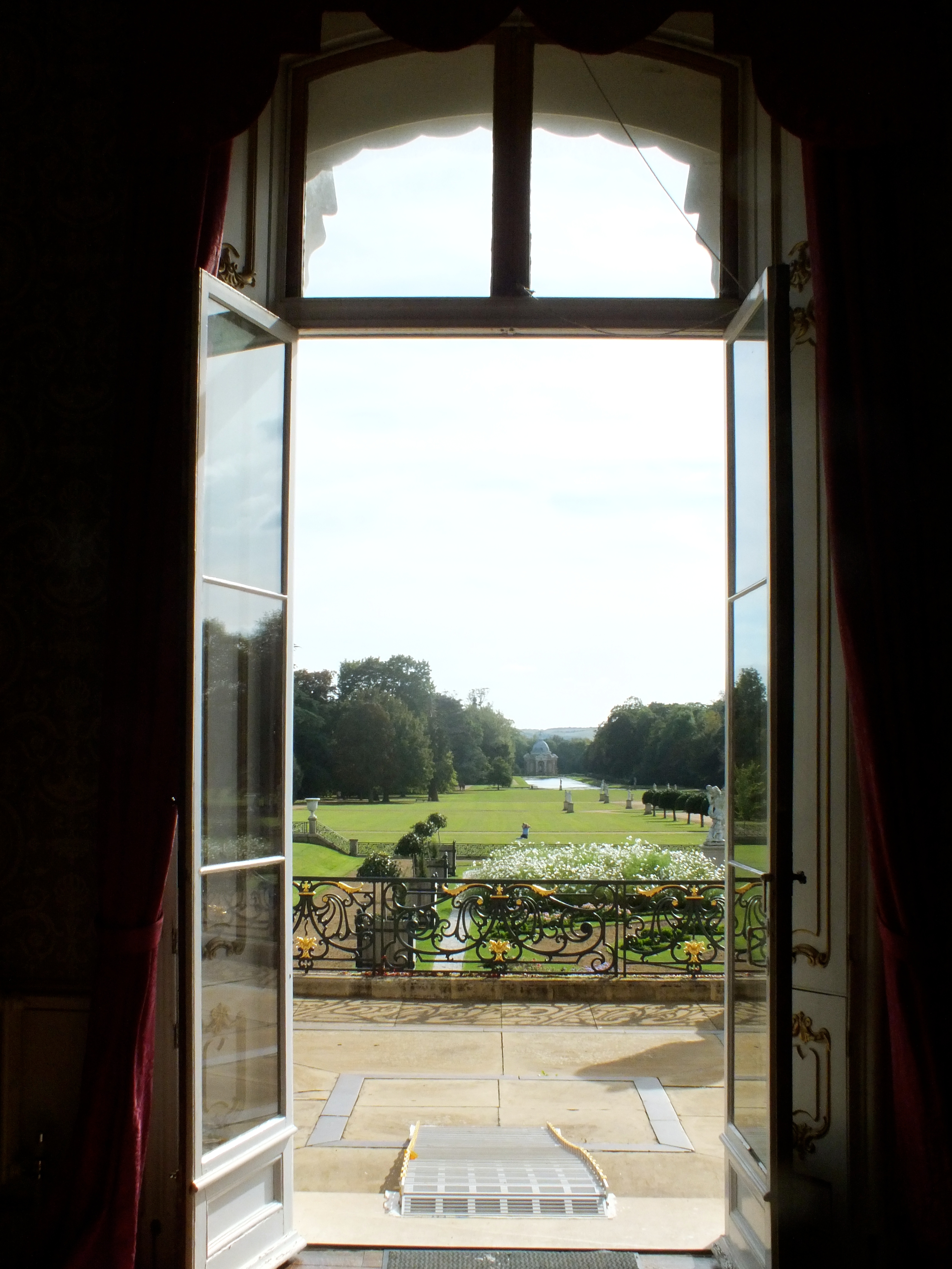
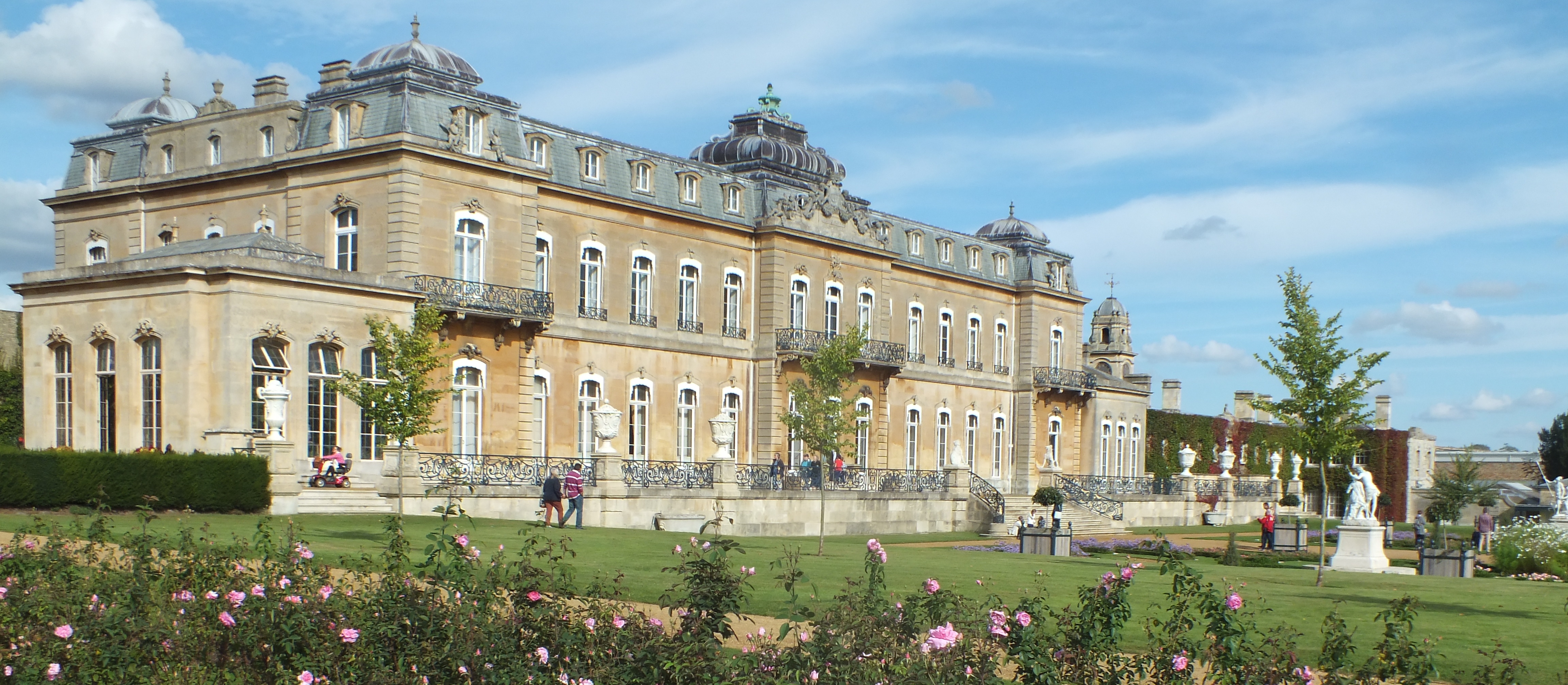
Wrest Park is a rarity.  I’ve heard comments that the house  looks a bit like a mundane French provincial station but, if so, it is a Grade 1 listed French provincial railway station, and mundane on the outside only. Inside it is opulently spectacular (if unfurnished) in the rococo revival style.  But truly splendid though the newly restored interior is, the house is, at once, both overshadowed and complemented supremely by its setting. English Heritage have to be congratulated on the immense progress they have made since they took over the estate in 2006 and initiated a 20 yr restoration plan for what is one of the greatest landscape gardens in Britain.

The house seen from the rose garden David Marsh 2014

The house seen from the rose garden
David Marsh 2014

Continue reading

Posted in Uncategorized | Tagged , , , , , , , , , , , , , | Leave a comment