
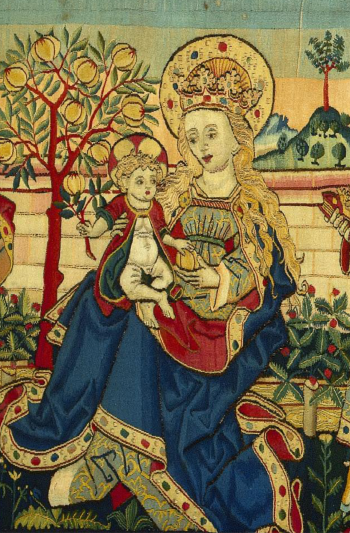
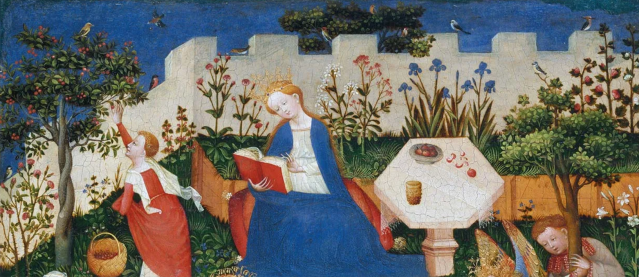
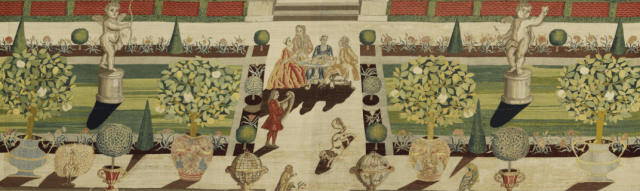
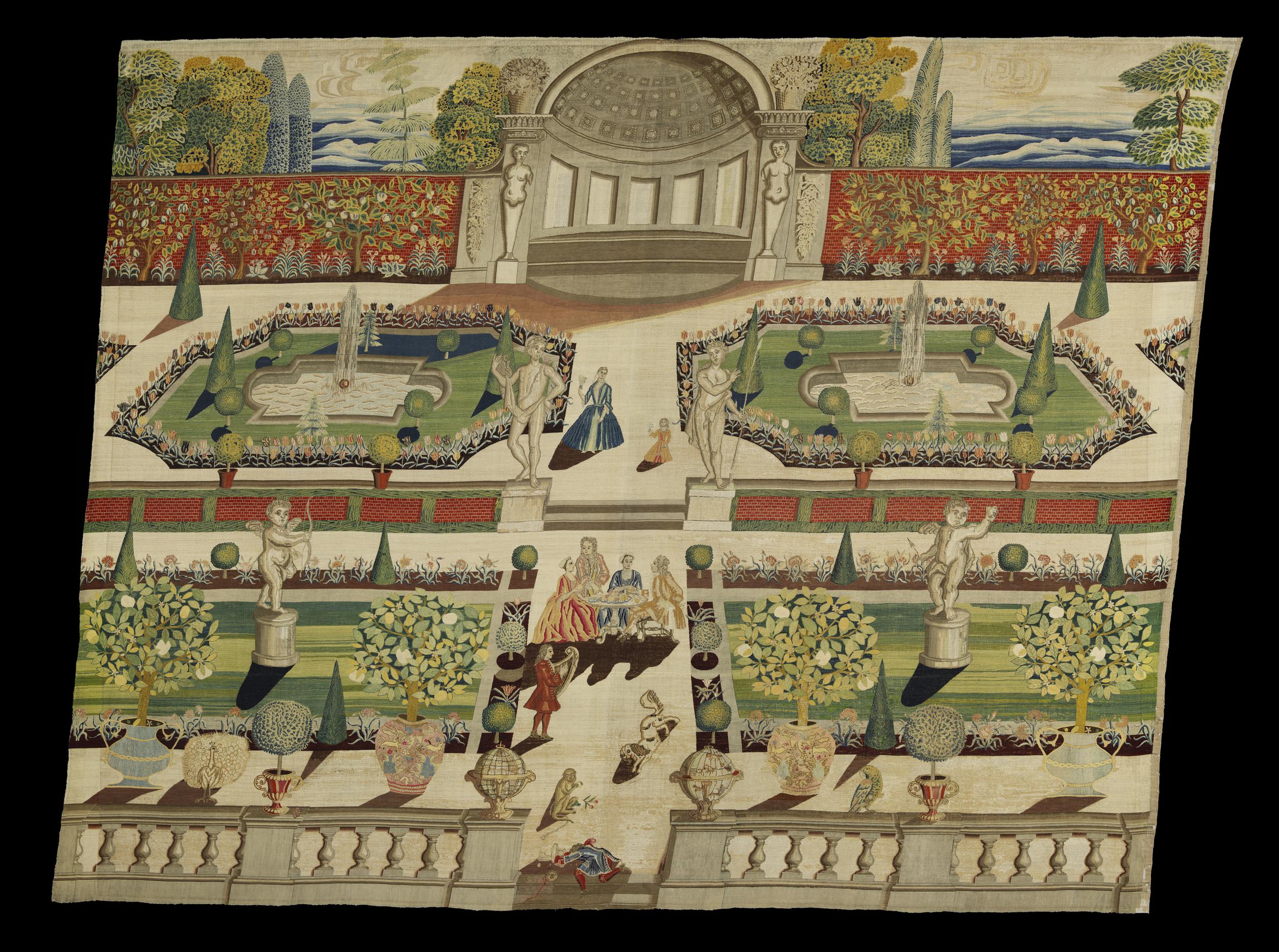
If I asked you to think about mediaeval gardens I’m sure a few things would quickly come to mind…. monks, monasteries and herbs and then if you recall paintings you might have seen on Christmas or greetings cards you might remember seeing people – particularly the Virgin Mary – sitting in a walled or hedged garden.
That walled or hedged garden is often referred to as a Hortus Conclusus which is simply Latin for an enclosed garden.
But is it what mediaeval gardens were really like? Is it really a garden style? Or maybe it has symbolic meaning instead?
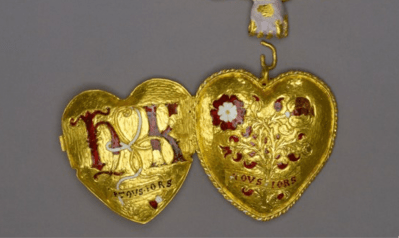
 But why a pomegranate? If you mention them to most people today, or ask about its symbolism and use, you’ll probably get something of a blank look or a comment about how difficult the fruit is to eat or that its just a posh ingredient used in Ottolenghi or Waitrose recipes. And almost no-one seems to know what they look like in flower or realises that they’ve been grown in England [ok not very successfully until recently!] since the 16th century.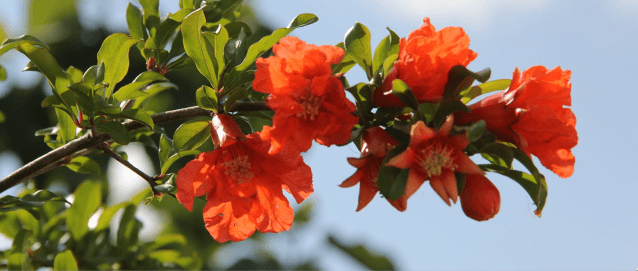


 The Garden History Blog

You must be logged in to post a comment.