2021 on the blog…and the Annual Quiz

HAPPY NEW YEAR!

Welcome to the 9th year of the blog.  The numbers reading it  have continued to grow apace with about 129,000 hits over the course of the year, an almost 30% rise on last year’s already record number.  The average daily viewing have been about 350 over the whole year and during the height of the pandemic even passed 400.  There were even 530 views on Christmas Day itself.   There have been about  75,000 visitors, up from 56,000 in 2020 and almost 3 times the number for 2019.
Thanks to the statistics provided by WordPress I’m also able to tell you that this is the 414th post which in total contain 927,657 words, and this year I’ve been a bit more verbose than usual with posts averaging about 2660 words.

As always, thank you  for your loyal support and the nice comments. Please keep  telling your friends about the blog and get them to join the mailing list.  Just  go to the very bottom of any post and  enter an email address and each new post  will appear, as if by magic, early on Saturday morning in good time for breakfast.

And now read on to test your memory with the  annual quiz based on this year’s posts.
Continue reading

Posted in Uncategorized | 4 Comments

Happy Christmas!

This is the first time in the 8 years  I’ve been writing the blog that Christmas has fallen on a Saturday, but I didn’t want to break my unbroken record of  posting every week!
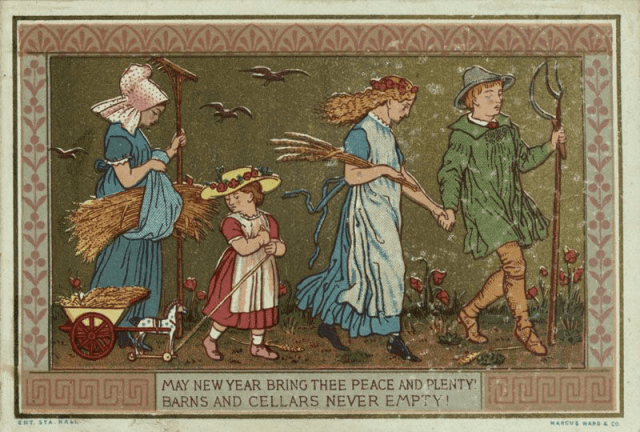
So I thought I’d just say…

A very Happy Christmas to you all… and if you really do want something garden history related to fill the odd moment between crackers, carols and carousing then read on …. Continue reading

Posted in Uncategorized | 1 Comment

Mr. Saul of Lancaster

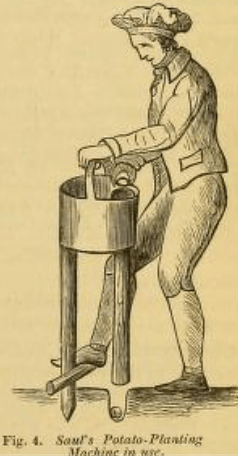
One of things that I’ve always found fascinating about the history of gardens is the inventiveness of gardeners, and I don’t think there’s a period in horticultural history quite as inventive as the early 19thc.  That doesn’t mean that their inventions always work, or even if they did  that they stood the test of time.

Sometimes these horticultural innovators are well known but mostly, like Robert Gauen who I’ve written about before they’re not. Sometimes  they’re well recorded but mostly they’re not and even when they are there’s usually a bit of serendipity involved in their survival.  

That’s the case with today’s subject.  I discovered him when I was researching  a post about the  transplantation of trees because he’d  invented a new variation of the machinery involved.   In the process I discovered that he’d invented a whole range of other garden-related contraptions and gadgets.  So if you’re still looking for Christmas presents for your gardening friends see if you can find something devised by Mr Saul of Lancaster.

Continue reading

Posted in Uncategorized | Tagged , , , , | Leave a comment

Reimagining Kirby

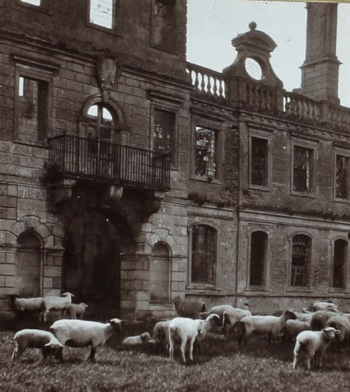
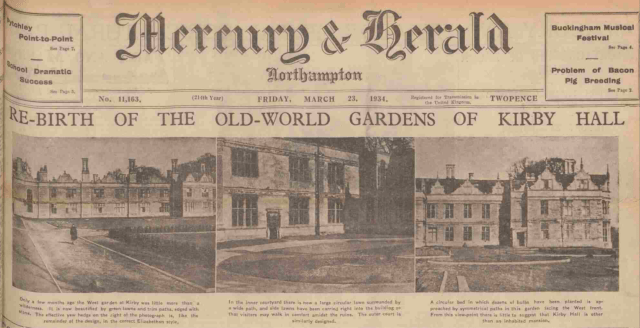
Gardens are ephemeral creations and surely impossible to recreate once they’ve gone. That hasn’t stopped a lot of people trying.  This is a trend that’s first noticeable in the early 19thc when it  tended to be a romanticised view of  past gardens that were installed.  But the first real evidence-based attempt happened at Kirby, the great Elizabethan mansion in Northants, when in the 1930s  archaeological techniques were used to discover and then try to recreate the early 17thc garden.

That wouldn’t have been necessary of course if Kirby hadn’t fallen first  into decline and then ruin, so let’s begin the story of how Kirby has been re-imagined with and why it had to be done in the first place!

Northampton Mercury 23rd March 1934

Continue reading

Posted in Uncategorized | Tagged , , , , , , , , | Leave a comment

More Monkey Puzzling

Last week I  looked at the  discovery of the Monkey Puzzle tree by Europeans and at the very first specimens introduced to Britain by Archibald Menzies, and today I’m going to look at how it was introduced to British gardens on a grand scale.

Contrary to what you may have read elsewhere it doesn’t really have that much to do with William Lobb and the famous Veitch nursery of Exeter despite all their self-publicity.

I’ll also look at where it got its common name from –  especially since  there are no monkeys in Chile who might be puzzled by it.


Continue reading

Posted in Uncategorized | Tagged , , , , , , , , , , , , , | 2 Comments