Where do I start in trying to describe Holkham? And it’s not just me. Historic England’s Register of Parks and Gardens of Special Historic Interest says : ” Because of the complexity of this site, the standard Register entry format would convey neither an adequate description nor a satisfactory account of the development of the landscape” and then proceeds to give a 2300 word brief summary of one of the the largest and most significant landscapes parks in the country.
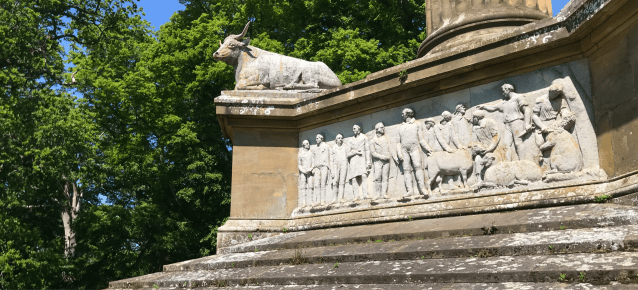
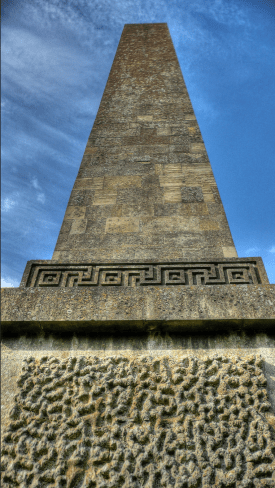
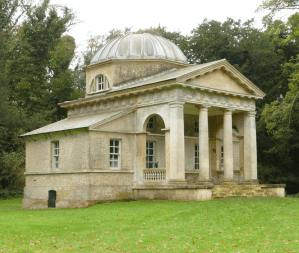
The Holkham Hall estate is on the north Norfolk coast, near Wells-next-the-Sea and is enormous to put it mildly. The scale almost has to be seen to be believed. The walled park around the house stretches about 3km east to west and 4 km north to south, and covers an area of over 1200 ha. While its landscape of pasture, woods and water look entirely natural they are largely a creation of the 18th and 19th centuries. Indeed the estate’s development much of which is recorded in Holkham’s extensive archives reads like a roll-call of the great and good in garden and architectural history.
It was laid out between the 1720s and 1760s by Thomas Coke, [later earl of Leicester] with the help or advice of Lord Burlington, William Kent, Colen Campbell and Matthew Brettingham. Later Lancelot Brown, William Emes, Samuel Wyatt and Humphry Repton, all had associations with the site whilst in the mid-19thc more work was carried out by William Burn, William Andrews Nesfield, Samuel Teulon and Thomas Sandys.
So a trip to see Holkham was bound to be eye-opening!
Continue reading →





 The Garden History Blog
You must be logged in to post a comment.