
 I’m sure, like me, you’ve often coveted a garden that you’ve visited. Maybe it’s a grand estate with sweeping vistas, or a beautiful garden building that takes your eye or perhaps somewhere that has wonderful planting. What wouldn’t we do to live there? Then, coming down to earth with a bump, we think of the upkeep, the worry, the expense and the crowds. But there’s one place where I think it would all be worthwhile, so if one day you hear that the National Trust announce that the original Scotney Castle has been stolen you’ll know it was me.
 Who wouldn’t fall in love with Scotney at first sight? I did within minutes of my first view of the castle across the moat donkey’s years ago and I’ve done so all over again on every subsequent visit, although the last time was probably 8 or 10 years ago. So when to came to choosing somewhere to visit for a birthday treat last weekend Scotney was top of the list, and luckily we managed to get timed tickets.
The big question was, of course, would it it live up to my memories and expectations?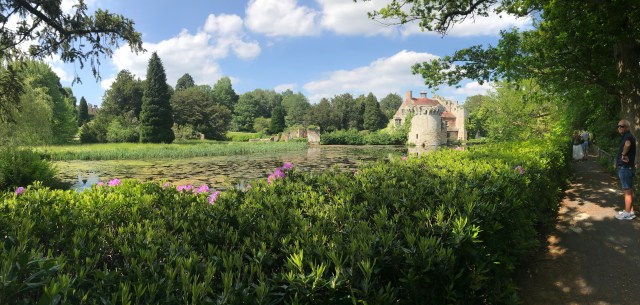

 My partner recently had a serious attack of Pteridomania! As a consequence there’s hardly a corner of 0ur tiny back garden that doesn’t show signs of this terrible ailment. There is evidence of this not only out in the open but also hidden away underneath other things, and its even affected the bathroom. The problem is that the disease is contagious so unless I’m careful I’ll succumb too and I don’t think that Pfizer or Astra Zeneca have produced a preventative vaccine yet. But luckily it isn’t a physical complaint and doesn’t require medication just the occasional quick misting or another surreptitious addition to the garden.





 The Garden History Blog
You must be logged in to post a comment.