

Camellia donkelaaris from
The Garden. [ed. William Robinson], vol. 54: (1898)
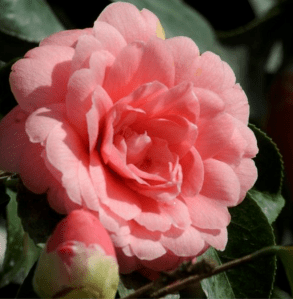
Middlemist’s Red
Perhaps the world’s rarest Camellia cultivar
But on the bright side a couple of weeks touring Cornwall and seeing them as the backbone of so many amazing gardens has made me reconsider. So I’m going to pay a visit to the annual Camellia Festival at Chiswick House Conservatory which runs until March 25th and that might just completely overcome my prejudice!
So read on to investigate their history in our gardens, and also to discover an excellent newish blog by Siân Rees, a professional gardener, who has written about them this week too…

detail from Single White Camellia / Single Red Camellia, from Samuel Curtis, A Monograph on the Genus Camellia, 1819, Museum of Fine Art, Boston
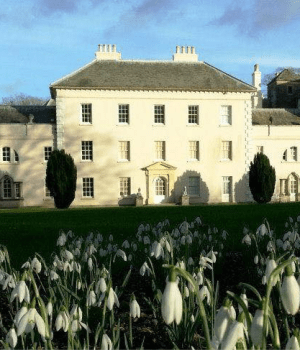
 I had the opportunity to revisit a few days ago, and turned up 20 minutes after the gardens opened on a Monday morning in mid-February to find the car park almost full. By mid-morning the FULL sign went up.
  There was a temporary loo block in the entrance area, the small cafes had queues and the circular parkland walk is hard-surfaced in most places and at times was a bit like a busy High Street in the sales. So what’s Saltram got to offer that attracts so many people?


 No – it’s not south-east Asia but south-west Dorset! Abbotsbury, a garden founded by the Strangways family in the late 18thc, was my first point of call recently on an out of season tour of some gardens in the south-west.
 In 1863 Henry Fox Talbot, the inventor of photography, must have been rather surprised by the contents of a letter he had just received from his uncle, William Fox Strangways, the 4th earl of Ilchester. The two corresponded regularly and often about gardens but this time Uncle William was complaining about his elderly gardener not just chopping bulbs in two & trying to stick them together again but asking what he should do about “amorous polygamy”. This was surely scarcely a subject fit for the pen of a Victorian gentleman so no wonder William said it had “left indelible impression in my memory.”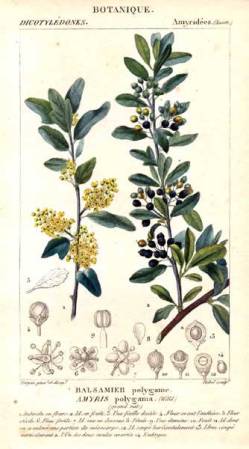
 Actually its nothing as potentially scandalous as one might think. Uncle William’s gardener was rather confused and asking what he should do with Amyris polygama, more commonly known as the Chilean pepper tree, one of the rarer plants in the garden. So sorry if you’d read this far expecting a bit of salacious gossip but read on to find out more about this amazing sub-tropical garden and its origins.
 These Red Books contained a lengthy handwritten analysis and description of the site, together with his proposed improvements, beautifully illustrated with his own watercolour sketches and were, apart from a few given as gifts in the early days, sold to his potential clients.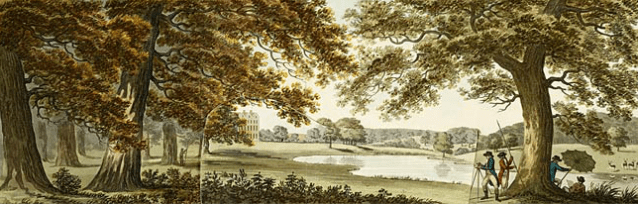


 The Garden History Blog
You must be logged in to post a comment.