
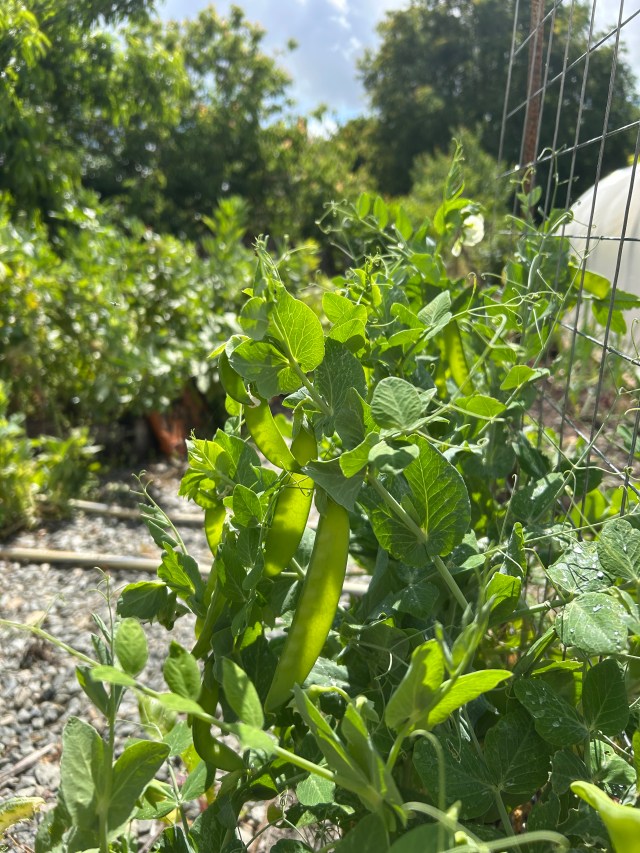
 We’re looking forward to enjoying the first crop of peas from the garden but checking on their progress made me recall a story about a pea-related battle – well OK – a pea-related skirmish. This involved some leading nurserymen and gardeners of Victorian Britain and showed that even the sedate and normally polite world of horticulture could be quite cut-throat and not always entirely ethical, when reputation and presumably money was involved.
But a battle over peas? I can hear you thinking surely thats not credible? So please don’t laugh too loudly when I tell you the battle was about the Telegraph and the Telephone, both new varieties of pea.
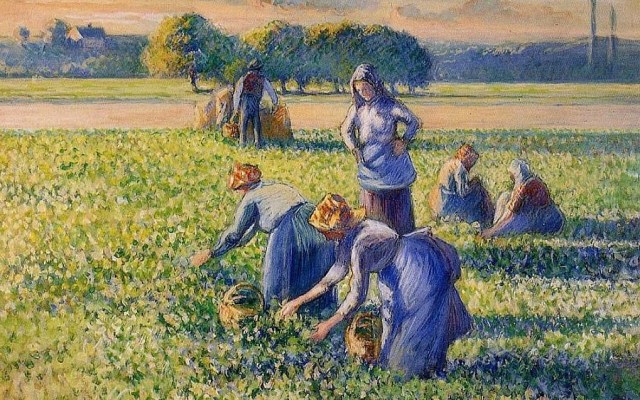
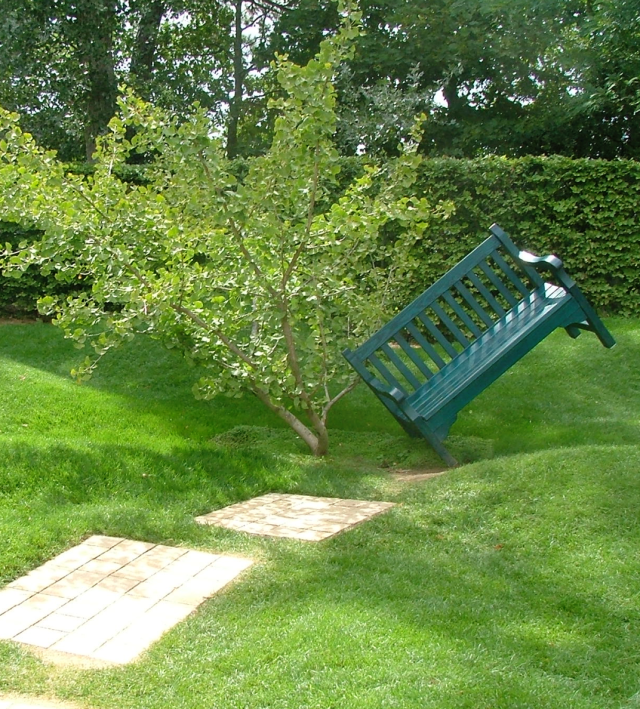 No – I know it’s not Saturday but….I’m going to break my own rules to invite you to discover more about opportunities in Garden History Research at Buckingham University.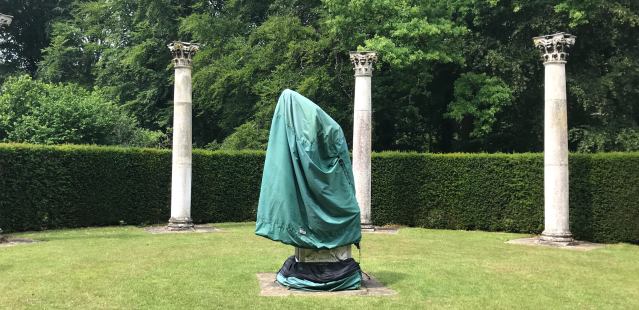
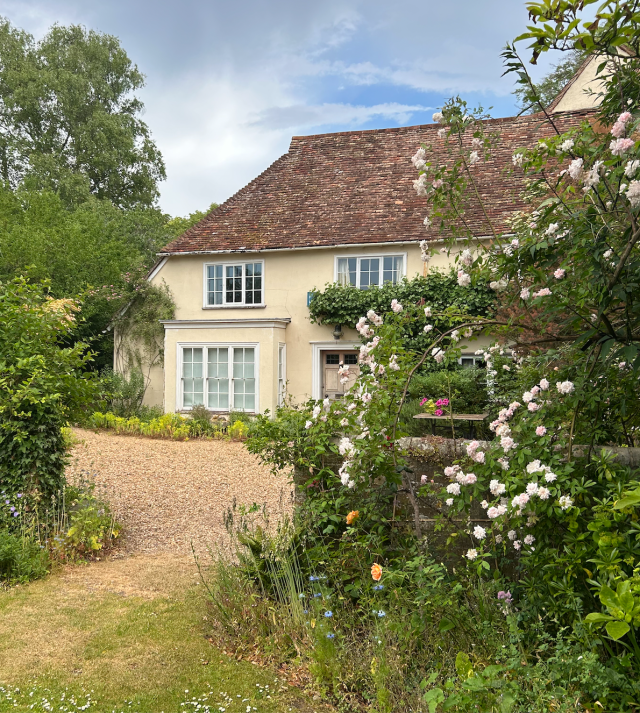 Docwra’s Manor starts with a big advantage. The house is beautiful and it would be difficult to spoil its instant charm even with the most vulgar planting. The visitor is won over immediately by the small ‘terribly English’ formal front garden before entering down the short gravel drive between a barn and side of the house. Again instant architectural and horticultural appeal with old wooden and brick barns, shrubs and roses tumbling about everywhere. And instant warmth towards the owner too. Like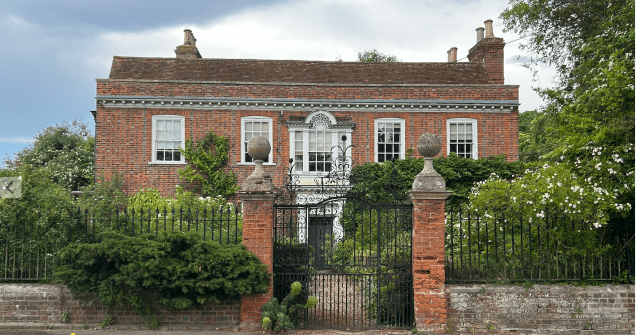
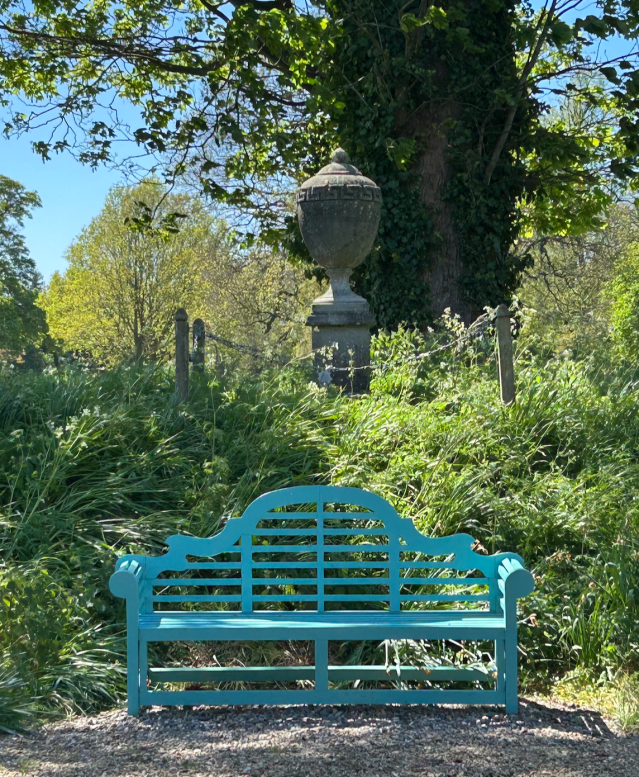 As regular readers will know I’ve got a soft spot for garden gnomes and have often lectured about them and even written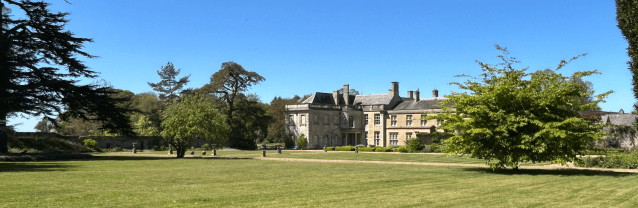
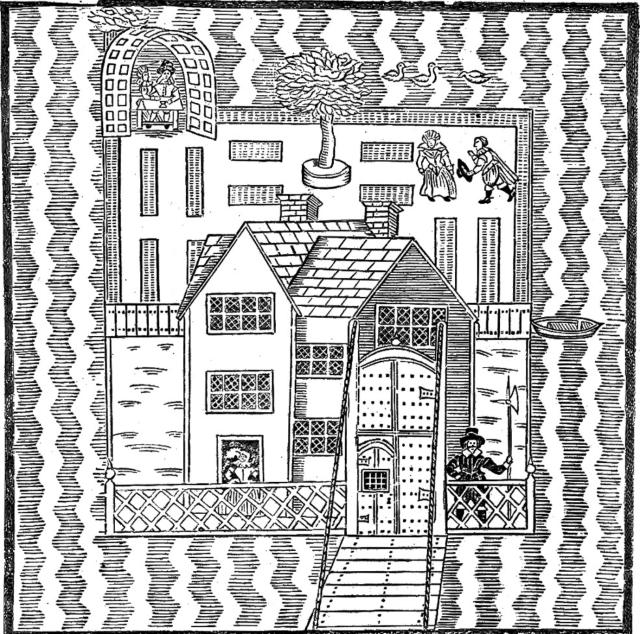 Bankside is the riverside area on the south side of the Thames opposite the City of London proper, and in early modern times it was outside the control of the City authorities. Renowned for its market gardens and orchards it was also London’s main space for recreation and entertainment of all kinds.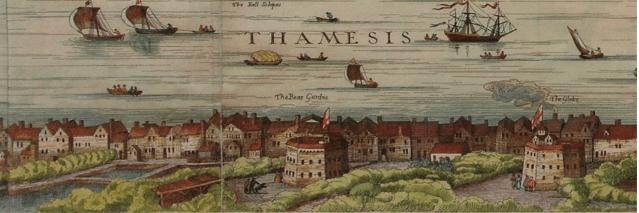


 The Garden History Blog
You must be logged in to post a comment.