Crowning Glory: A short history of Coronation Gardens

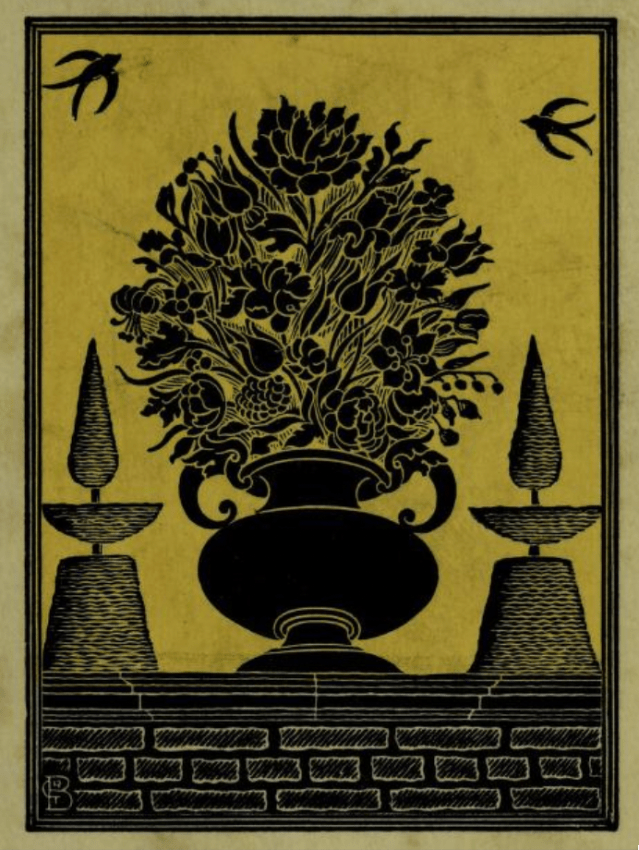
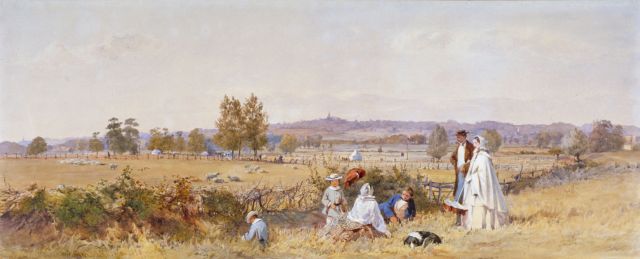
I obviously can’t compete with the other events happening today but thought I could add a few thoughts about past coronations and how they have been celebrated in horticultural form.

In fact, until the 20thc, apart from occasional  tree planting by private landowners, there don’t seem to have been that many garden-related celebrations!  But when I tried to research more modern ones I often came up with a virtual blank, as  very few of these coronation memorial sites  have actually had their history well-recorded. But that’s never stopped me in the past so… read on to see what I have managed to discover…

Continue reading

Posted in Uncategorized | Tagged , , , | 3 Comments

Inigo makes his mark: Athelhampton and The Formal Garden

This post is the result of a chance enquiry from a colleague who asked what I thought of the work of F.Inigo Thomas. If you’ve never heard of him don’t worry.  Luckily I  remembered  being impressed by a visit to Athelhampton, one of the gardens he designed. Then I remembered  he had provided most of the illustrations for Reginald Blomfield’s The Formal Garden in England  in 1892, so could waffle a bit more, but after that I was a bit stumped, so it was off to do a bit more research. If you like formal gardens  then I think you’ll be impressed too because, as Thomas himself said, “I think, as a nation, we are beginning once more to realise the charm of a formal garden.” 

Continue reading

Posted in Uncategorized | Tagged , , , , | 2 Comments

Another Swan Song

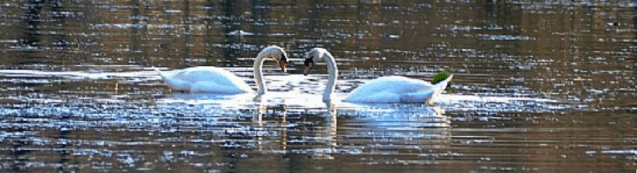
Way back in March 2021 I wrote a piece about swans,  which concentrated on their  history in parks and gardens in Britain from the mediaeval period through to the  17thc. Then  they were probably regarded as high status food as much as anything more aesthetic. I’ve been meaning to continue it ever since and today I’ve finally managed to get round to it!

From the 18thc onwards swans  were rarely eaten and so presumably kept, or encouraged to stay, simply because they are beautiful and ornamental. They  make the occasional  appearance in paintings of 18thc gardens, never centre stage, but  more  generally on water in the wider estate.

Whatever the reason that’s a good excuse to include a lot of nice images!

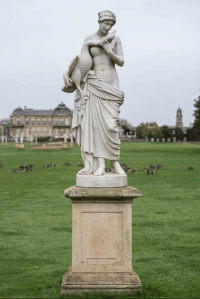
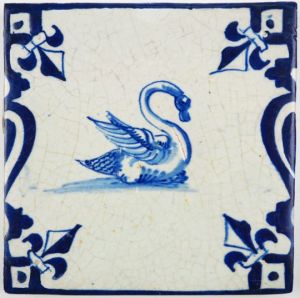
But swans didn’t  just grace the scene as living creatures,  they can be seen in statues, ornaments and decor both in interiors and gardens  including a recent rediscovery about one of England’s greatest lost gardens.

Continue reading

Posted in Uncategorized | Tagged , , , | Leave a comment

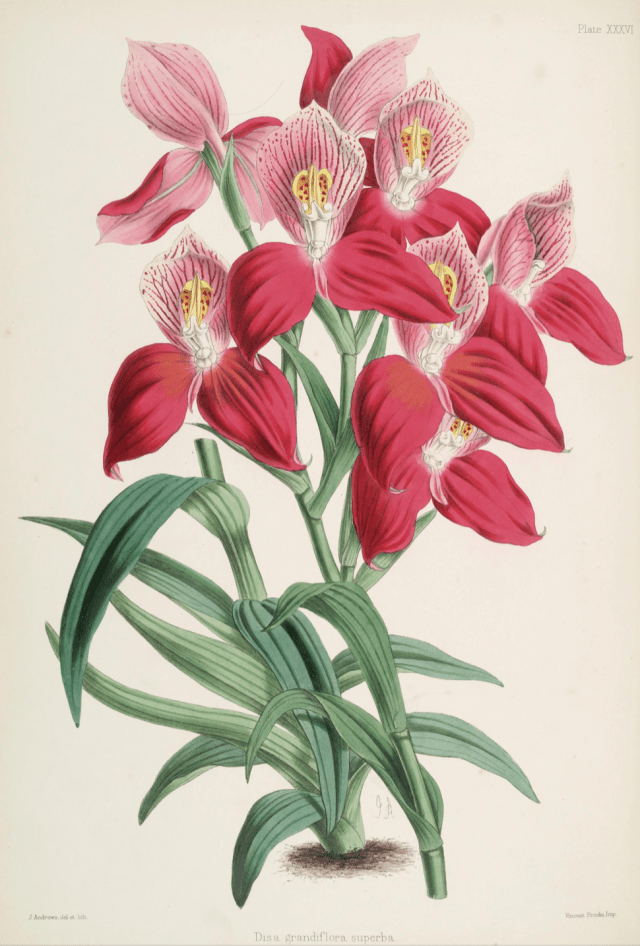
Benjamin the orchidologist

These days we think nothing of having orchids as pot plants around the house. They’re piled high and sold cheap in every supermarket,  having been  grown by micropropagation in plant factories and then air-freighted in from all round the world.   But this hasn’t always been the case, as I was reminded by a recent Gardens Trust on-line lecture by Toby Musgrave about the excesses of wealthy Victorian garden owners.

This obviously included a lot about orchidmania with the mention of a nurseryman who specialised in growing orchids on a large scale – Benjamin Samuel Williams – whose nursery was in Holloway in north London.

Since that’s where I live I had to know more… 

Continue reading

Posted in Uncategorized | Tagged , , , , | Leave a comment

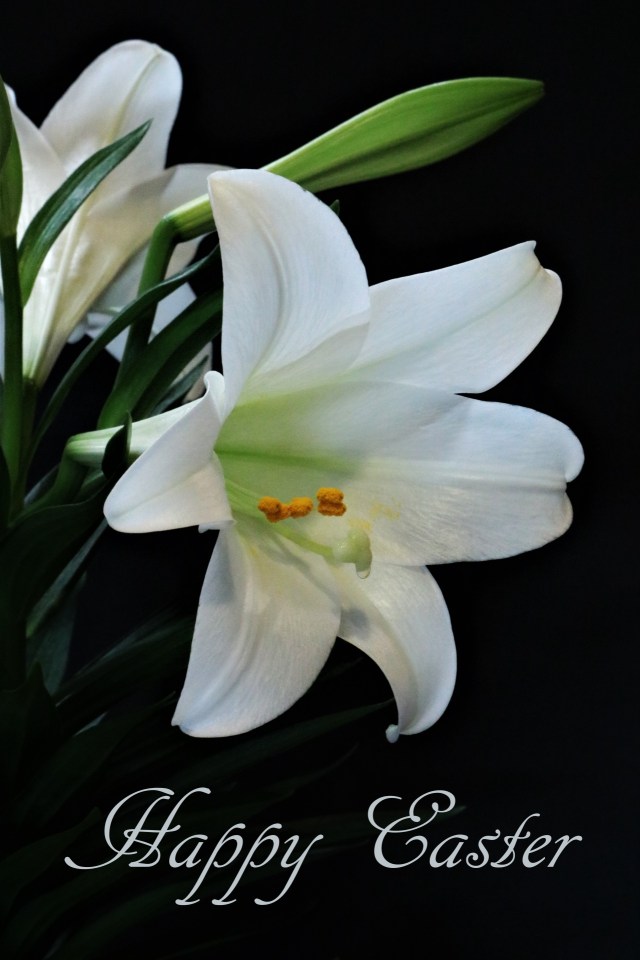
Easter Lilies

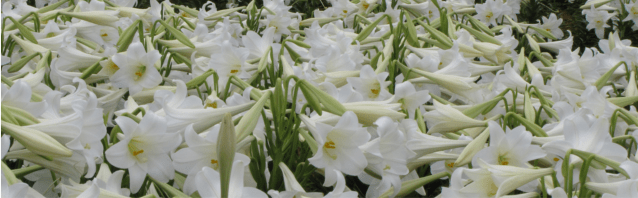
Do a quick google search on traditional flowers for Easter and you’ll find what comes up are lots of florists websites telling you about the “Easter Lily”   and while other flowers such as daffodils and tulips are suggested too  it’s lilies that seem to predominate. So I thought I’d investigate further and discover the story of the  “Easter Lily”, the florist’s name for what botanists call Lilium longiflorum, and  the market traders in London’s Columbia Road Flower Market shout out more simply as ” Lonjee lilies

We are told by one popular website,  they are “symbolic of the resurrection of Jesus Christ… Churches of all denominations, large and small, are filled with floral arrangements of these white flowers with their trumpet-like shape on Easter morning. The flower is frequently represented in stained glass windows either in memory of someone or to signify hope, purity and life everlasting. The importance of the Easter lily is a time-honoured tradition that includes both ancient mythological and Biblical history.”

I’m afraid most of that came as something of a surprise [actually a shock!] to me as did the later discovery that the world has an Easter Lily Capital, which  used to be in Okinawa, then moved to Bermuda but is  now in the northernmost part of California. What on earth is going on?
Continue reading

Posted in Uncategorized | Tagged , , , , | Leave a comment