
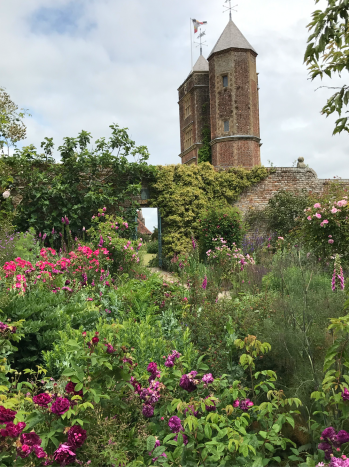
 The very word Sissinghurst conjures up the glories of the English garden. It must be the most photographed and written about garden in the country and it’s certainly the most popular of the National Trust’s gardens. In fact it’s been talked about almost since the day Harold Nicolson and Vita Sackville West bought the remains of the Tudor castle and began their transformation. As John Sales, the former head of Gardens for the National Trust noted “no garden had greater influence in the second half of the twentieth century.”
Visitors, called “shillingses” by Vita, after the price of admission, have poured in from those earliest days and have adored it. Every known adjective extolling beauty of design, form and colour has been used to describe it. It must be, to coin a phrase, the quintessential example of all that is best about English planting and design. As a consequence I’ve avoided writing about it, as I do most famous sites, since I never think I’ll have anything insightful or interesting to add to the countless other rehashes of its history or descriptions of its planting. But to tell the truth – and prepare to be shocked – its also because I don’t think I ever liked it that much.

 I wrote a few months about
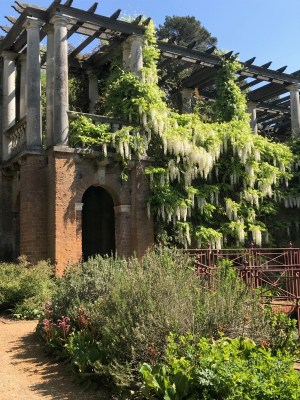 My favourite garden in London is very sadly currently out of bounds to the public because of covid19, although I have just taken advantage of the slight relaxation of the lockdown to walk around the outside. But if I can’t get inside I can at least, as a poor substitute, write about it. It’s an Edwardian extravagance of the first order: a wonderful mix of the impressively grand and the elegantly romantic, and shows just what could be done with a bit of vision and a lot of money! Its also a case study in how quickly even a well-built and well-maintained garden can fall into disrepair and be threatened with destruction, but fortunately, also how with a bit more vision and a lot of money it can once again surprise and delight the visitor.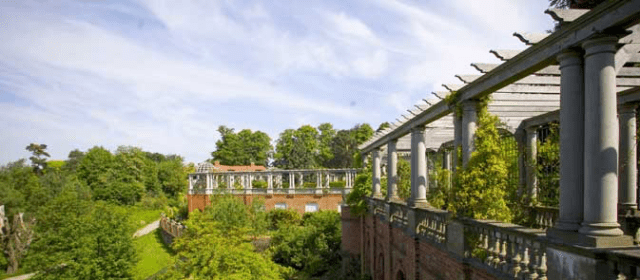


 The Garden History Blog
You must be logged in to post a comment.