2017 on the blog

My garden yesterday – a subtle difference to last year.

It’s now 4 years to the day that I started this blog and this is my 203rd post!  Readership  has continued to rise: about 46,000 hits this year compared with 37,000 last year, 25,000 in 2015 and about 7000 in 2014.  That means readership is now averaging over 120 a day, about 1000 a week and  around 4,000 a month.   There have been over 27,000 visitors, compared with 21500 last year,  10,200 in 2015 and under 3,000 in 2014.  Since the blog started there have been a grand total of 116,000 views from 62,000 visitors.

We’re in danger of being washed away rather than frozen out

In terms of popularity, once again somewhat to my surprise  Stumperies   [May 2015]  has topped the list which has attracted 1530 viewings.   Next comes Humphry Repton [April 2014] with 1076, presumably because everyone is waking up the forthcoming bicentenary.  After  him come several other old favourites with Harry Wheatcroft, The colour of Carrots,   A Pineapple & Mr Rose,  Paulownia,  Night Soil,  Beatrice Parsons, and Carters Seeds all receiving more than 800 hits.  You can see a fuller list below.

It looks quite serene now it’s not pouring with rain…

However, as I’ve said in previous years  some posts  have hardly been read at all. Why did the idea of spending Christmas with Shirley Hibberd attract only 38, Peas Perfect Peas only 37 and the series I wrote on Romance and Reason only 28 [the link takes you to the first of 3 and you can then click through to the others]?

So thank you to everyone who has been reading the posts, telling their friends and passing the blog on.  Please keep up the enthusiasm and the comments.

And now  to fill the seemingly endless days between Christmas and the New Year is just what you’ve all been waiting for – another end of year quiz to test your powers of recall from posts over the course of the year.  Answers at the end.

….and the wind isn’t blowing at 70kph

Good Luck and Happy New Year!
Continue reading

Posted in Uncategorized | Leave a comment

Christmas in the Park…

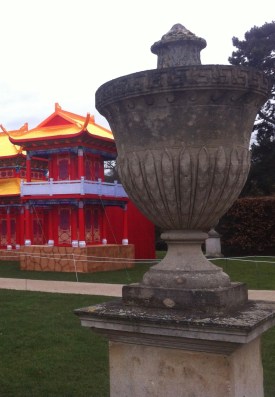
Chiswick, December 2017

I had planned to do another of my slightly off-beat approaches to a Christmas post –  and was looking at  Shirley Hibberd’s monograph on Ivy for inspiration – when into my inbox came a post from a fascinating botanical blog run by Manchester Museum’s Herbarium.

Since 2014 its been hosting an Advent Botany series looking at the obvious and not-so-obvious  stories of plants and their relationship to Christmas, [my favourite so far has been about elfs] and of course there was one about Ivy based around Hibberd’s book.

What was I to do?  The answer came a few days later when I took a class who’ve been looking at early 18th gardens this term  to Chiswick House.

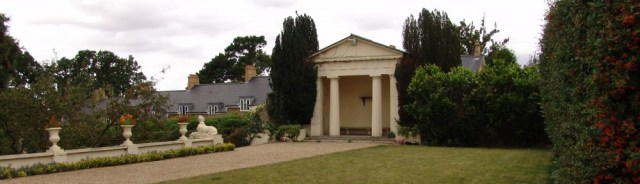
The Orangery at Chiswick, December 2017

It wasn’t the answer I had expected, and certainly not one I’d hoped for but it was one that I think would have had Lord and Lady Burlington turning in their graves. So read on to find out more about the perils of having Christmas in the park in the age of austerity…

Continue reading

Posted in Uncategorized | Tagged , , , , , , , , , , | 1 Comment

Park Hill from Tate to Today

Last week’s post told the first part of the story of Park Hill, a Victorian estate in Streatham in what is now south London.  In 1873 the house was put up for sale after the death of its builder William Leaf, although there was little interest, and it was not until in 1880 it was finally sold.

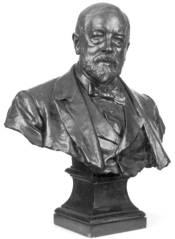
Sir Henry Tate
by Thomas Brock, Tate Gallery

The new owner was Henry Tate, sugar magnate and the man behind the foundation of the Tate Gallery.

Tate was a self-made man from Lancashire and still largely based there when he bought Park Hill, but it was to become home to him, his family and his growing art collection until his death in 1899.

the terrace and summer house

Continue reading

Posted in Uncategorized | Tagged , , , , , , , , , , , , , | Leave a comment

William Leaf & Park Hill Streatham

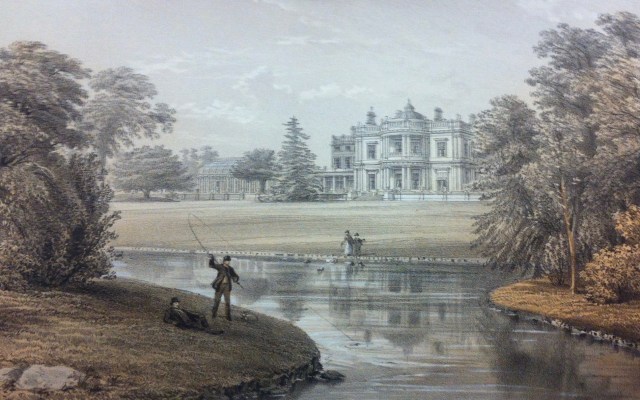
from the 1875 sales particulars. British Library

A few weeks ago I wrote about the work of late Georgian society architect John Buonarotti Papworth. One of his commissions was for a house for the unknown but immensely wealthy businessman, philanthropist, art collector and garden enthusiast William Leaf.  Later the estate was bought by another, but much better known, immensely wealthy businessman, philanthropist, art collector  and garden enthusiast Henry Tate.

Amazingly the estate has escaped  the common fates of Victorian suburban villas, even grand ones:  demolition to make way for street after street of cheaper housing.   The escape has not been total but the core of the property still survives reasonably intact, which is even more amazing since the estate is only 6 miles from central London.

from the 1875 sales particulars. British Library

Read on to discover the story of Park Hill, Streatham… Continue reading

Posted in Uncategorized | Tagged , , , , , | Leave a comment

Vulnerability Brown

On Wednesday I was in Birmingham for the annual  Historic Landscapes Assembly organised by The Gardens Trust.   It marked the launch of a significant report they had commissioned about Capability  Brown,  so although I don’t normally cover current events here I thought I’d use my 200th post  to spread the word.
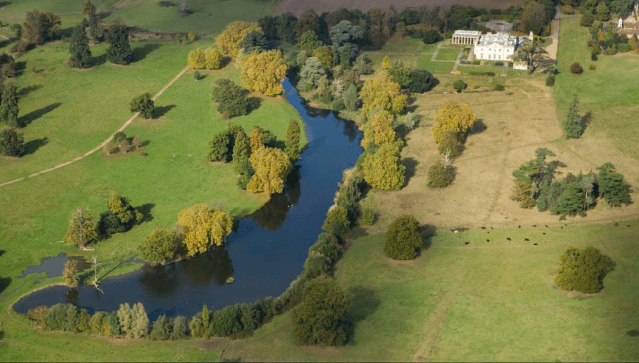
I can hear the collective groan going up – yes we know the man was a genius but we’ve just  had a whole year of him and are beginning to get a bit B… off.  But the report wasn’t about him but the conservation challenges and opportunities facing many of his designed  landscapes, which are currently being collectively considered  for possible World Heritage Status.

First the good news: Langley Park in Bucks, restored with the aid of the Heritage Lottery Fund.

This report was written by Dr Sarah Rutherford and Sarah Couch , both experienced landscape historians with expertise in the conservation of historic landscapes and in the planning issues they face.  Much of the text of this post is taken directly from their work, and you’ll find the link to the whole document at the end.

But why is the report necessary? Surely we know that Brown’s surviving sites are precious and need to be looked after like any other great work of art?  If that’s the case why are there as many as 6  Brown parks, as well as a whole string of buildings in landscapes associated with him, on Historic England’s Heritage at Risk Register?.

And the not so good news:  Clandon Park in Surrey, is on the Heritage at Risk Register                    Photo Historic England Archives

Continue reading

Posted in Uncategorized | Tagged , , , , , , , , , , , , | 1 Comment