

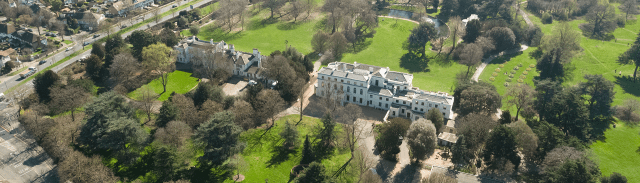
Let’s begin with a conundrum: what’s special about Gunnersbury Park? More specifically, why does it boast not one but two large houses, both built around 1800-1802 which stand side by side almost within touching distance of each other?
Nowadays Gunnersbury is a popular large public park stretching to 186 acres, hemmed in by the M4, the North Circular road and dense suburban housing, but for most of its nearly 700 years of documented existence it was home to a succession of wealthy families – and even to a princess. All but one of them lavished money and attention on the site, leaving their mark on its gardens and buildings. The exception was a property speculator, John Morley, who planned to redevelop the site, for housing, luckily largely unsuccessfully.
But that doesn’t provide an obvious answer to the question of why the two houses? So read on to find out more about Gunnersbury and its not-quite-twin mansions

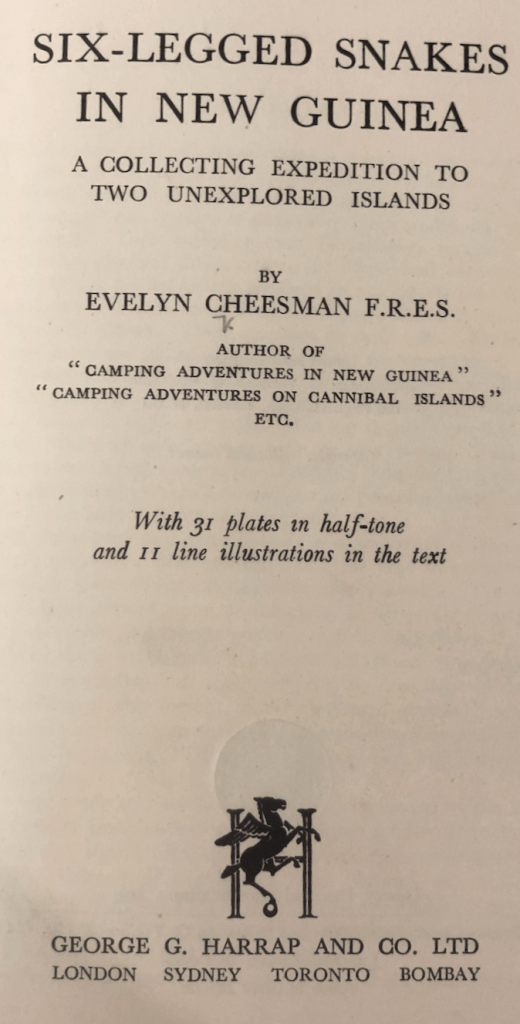 When I first read it I wondered if was an extract from the journal of an intrepid but rather romantic Victorian plant hunter. In fact it’s an extract from an admittedly Victorian-explorer-sounding book called Six-legged Snakes in New Guinea, and as you’ve probably gathered from the title of the post the author wasn’t quite the bearded pith-helmet wearing explorer that I’d imagined but instead was an extraordinary woman: Evelyn Cheesman.
 A couple of weeks ago I led a small party of French visitors round some of the gardens of London, Kent and Sussex. One of those I chose was Hever Castle which I hadn’t visited since lockdown. We were all so impressed with what we saw that I’ve decided to update my much earlier post about it.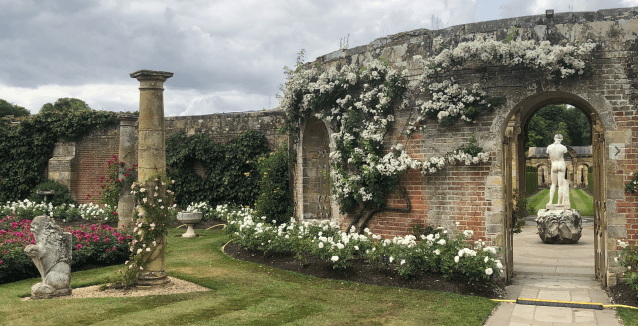


 The Garden History Blog
You must be logged in to post a comment.